









Location Southwest England
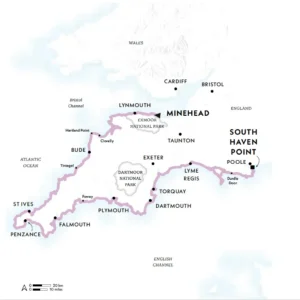
Start Minehead, Somerset
Finish South Haven Point, Dorset
Distance 1014km (630 miles)
Duration 30-52 days
Challenge Level 4/5
When to Walk Year-round, best April-October
Info southwestcoastpath.org.uk / nationaltrail.co.uk
Trace a meandering, undulating trail around England’s gnarled leg, past the winsome fishing villages, wild moors, clifftop castles, surf beaches, historic tin mines and fossil- dotted shores of Devon, Cornwall, Somerset and Dorset.
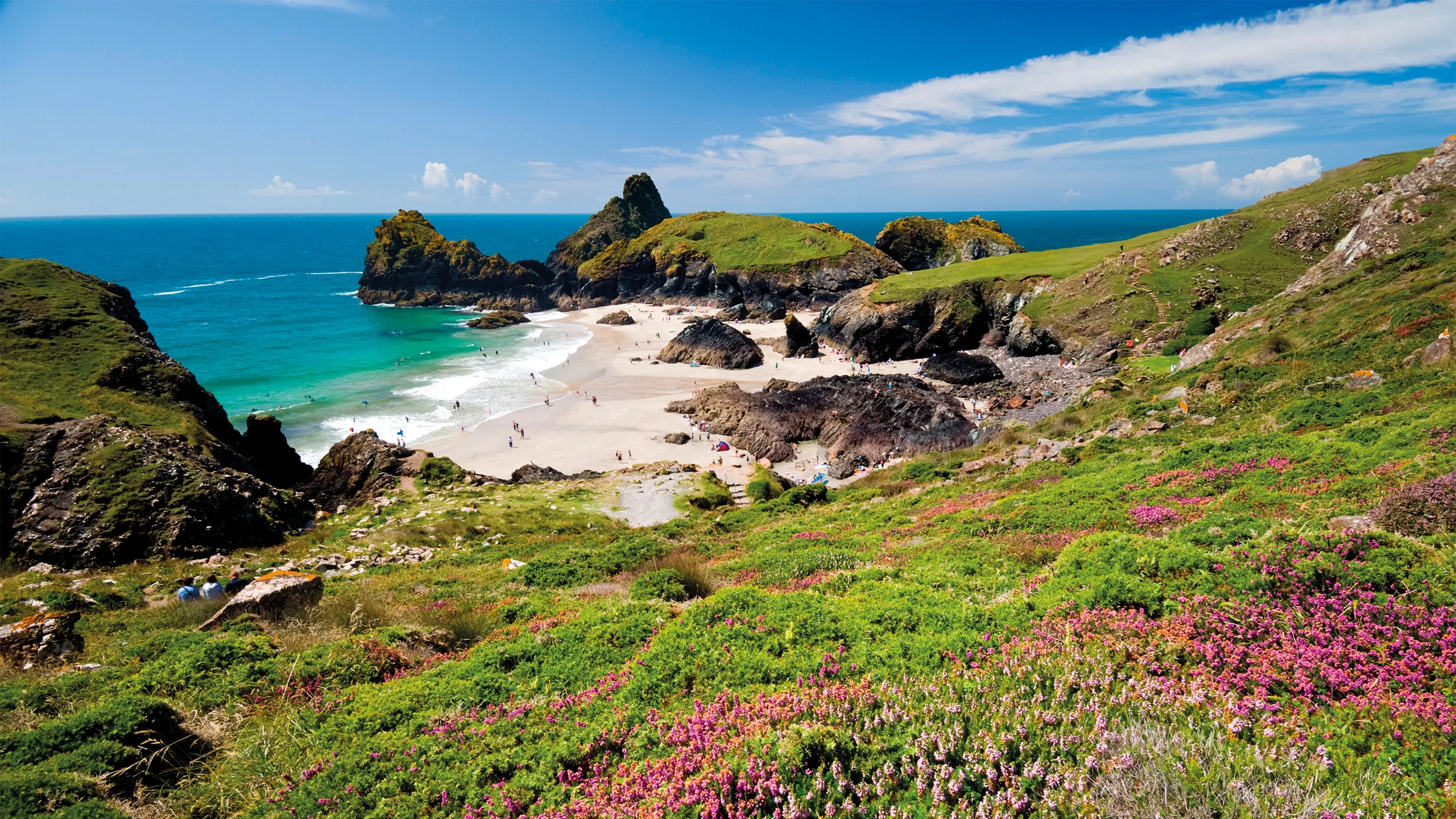
This route puts the roam into romance. It’s the salt tang on the sea breeze. It’s the boats bobbing at anchor in fishing villages. It’s wind-bent trees, and high moors grazed by semi-wild horses and red deer; golden-sand beaches and seal- strewn rocks; foaming pots of ale and fresh crab sandwiches. It’s the ineffable sense of walking to the end of the world and back.
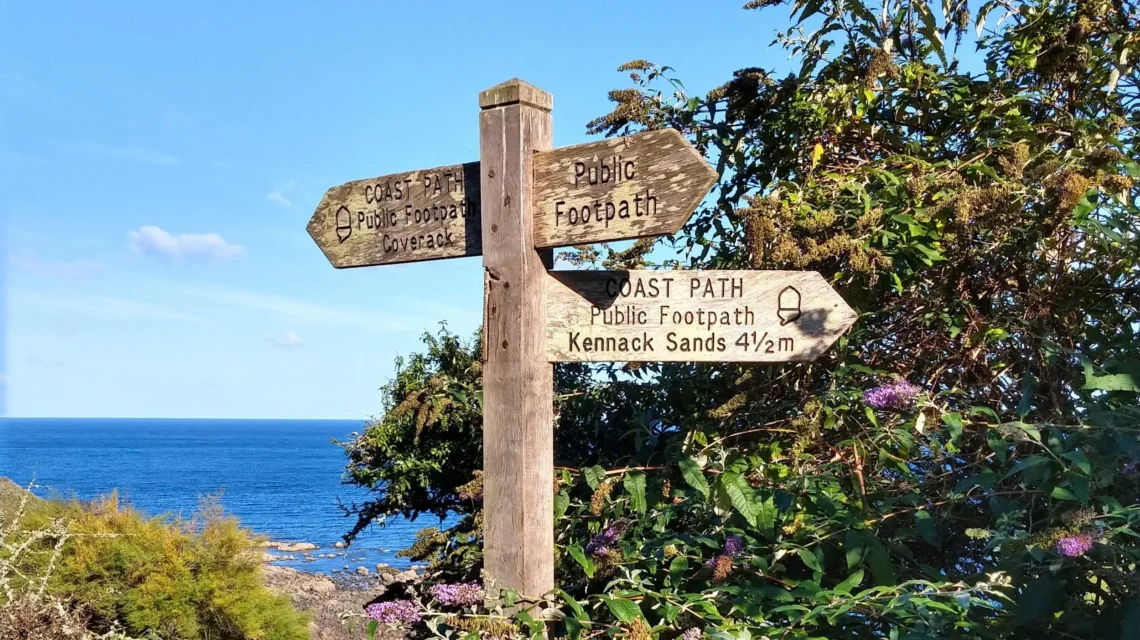
Britain’s longest waymarked National Trail (for now) snakes its way around the entire shorelines of Devon and Cornwall, plus hefty stretches of Somerset and Dorset. That’s no cakewalk: its plentiful switchbacks notch up a calf-crunching 35,000m (114830ft) – four times the altitude of Everest. Unlike the lofty Himalaya, in England’s mild west you can walk in any month – though it’s wise to dodge winter (closed facilities, short days and chillier, wetter weather) and summer, when temperatures and tourist numbers soar. Try April: days outstrip nights, wildflowers fleck clifftops, and sunny spells warm cockles and limbs alike.
The South West Coast Path has long been popular both for its beauty and because it offers plentiful and varied accommodation, relatively easy transport access and ample supply points. Walker numbers boomed further following the publication of Raynor Winn’s memoir The Salt Path, painting a vivid – and now queried – picture of the experience (the movie, starring Gillian Anderson and Jason Isaacs, came out in 2025). So planning is key, whether you’re aiming to complete all 1014km (630 miles) in one epic adventure, or break it up into shorter vacation-length chunks.
Exploring coast to coast
Each region has its own unique flavour. Walking anticlockwise, the first stretch from Minehead through Somerset and north Devon skirts the coastline of Exmoor National Park, traversing wild heath where yellow gorse flowers gleam, and shady woods harbour gems such as England’s tiniest parish church at Culbone. Postcard-pretty villages include Porlock, Lynmouth and cobbled cutie Clovelly, while spectacular viewpoints include Great Hangman, the highest seacliff in England and Wales. Ten days to a fortnight should see you safely in Bude.
Across the border in Cornwall looms arguably the wildest and toughest stretch – a series of climbs and descents from Hartland Point to the dunes at Gwithian. But the two- to three-week epic from Bude to fortress-guarded Falmouth may also be the most enchanting – perhaps literally: in little Boscastle you can explore a fascinating Museum of Witchcraft and Magic. Then comes Tintagel, with its medieval castle ruins atop a crag legendarily home to King Arthur. Beyond, the artists’ haven of St Ives marks the knuckle of England’s toe, a land of megalithic quoits, dolmens and standing stones.
The going gets a little gentler along the shores of south Corn- wall and Devon, with yachtie havens such as Fowey, Salcombe and Dartmouth, plus throwback bucket-and-spade resorts like Torquay and Teignmouth. Around fossil-hunting capital Lyme Regis, the trail again rears up on the craggy Jurassic Coast of east Devon and Dorset, punctuated by highlights including the photogenic rock arch of Durdle Door and ending with a traditional toe-dip in the sand and brine of Studland Bay, before signing off at South Haven Point.

Get involved
Extract taken from Lonely Planet’s Where To Go When Hiking, written by Sarah Baxter and Paul Bloomfield. Discover 96 spectacular hiking trails around the world and the best times to explore them in this inspiring month-by-month trip planner.