







Being injured is frustrating for anyone who loves to move. You might feel ready to get back to the thing you love long before your body is actually ready – and resisting the temptation to rush back to training can be just as important as the rehab.
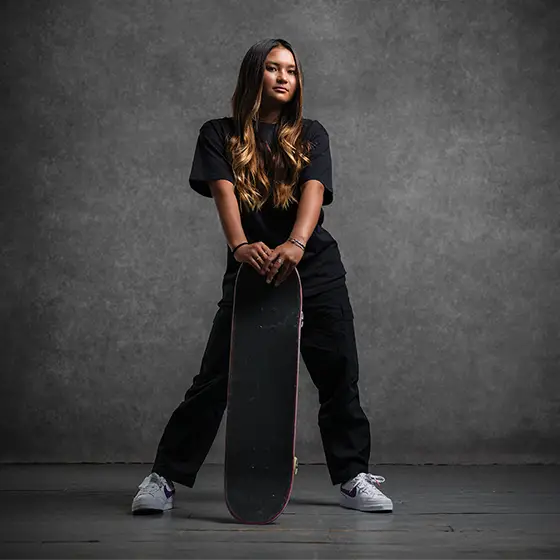
World champion skateboarder Sky Brown is no exception. Just 14 months before becoming Britain’s youngest ever Summer Olympian, Sky, then 12, was hospitalised with a fractured skull and broken wrist after a fall in training. “When I woke up, I didn’t even know how bad I was,” she told us. “I was in the hospital for a couple of days, and it was uncomfortable even to look at a screen. But it honestly made me even more motivated to come back stronger. The hardest part was holding myself back before I was cleared to get going again.”
Keep moving
Finding active and creative ways to train and have fun outside played a big part in Sky’s recovery. “I was able to surf a lot earlier than I could skate because it’s low impact and lower risk,” she explains.
Fear doesn’t really factor into Sky’s mindset. “Injury comes with the sport,” she says. “It’s going to happen. The best thing I can do is prepare my body. I focus on strength training in different ways to protect myself as much as possible. Surfing, skating, jujitsu, dance and cross training all target different parts of my body in different ways. But everything I do, I do for fun first.”
“These activities will all promote strength, flexibility, co-ordination, concentration and focus,” notes sports physio Alison Rose <internal link>. “As a young athlete, she is also training her nervous system to be flexible and reactive for her own sport.”
Sky also factors cold plunges and saunas into her recovery regime. “These strategies are proven for recovery and have a number of physiological benefits, as well as benefits for mental health and the nervous system,” says Alison.
Strength and stability matter
Another fall took its toll during Paris 2024, although Sky went on to take Olympic bronze after dislocating her shoulder during the heats. “I had to compete on a shoulder that had literally just been popped back into place when I really needed surgery,” she recalls. “All I wanted was gold, but I’m proud of myself for taking bronze given what I was dealing with.”
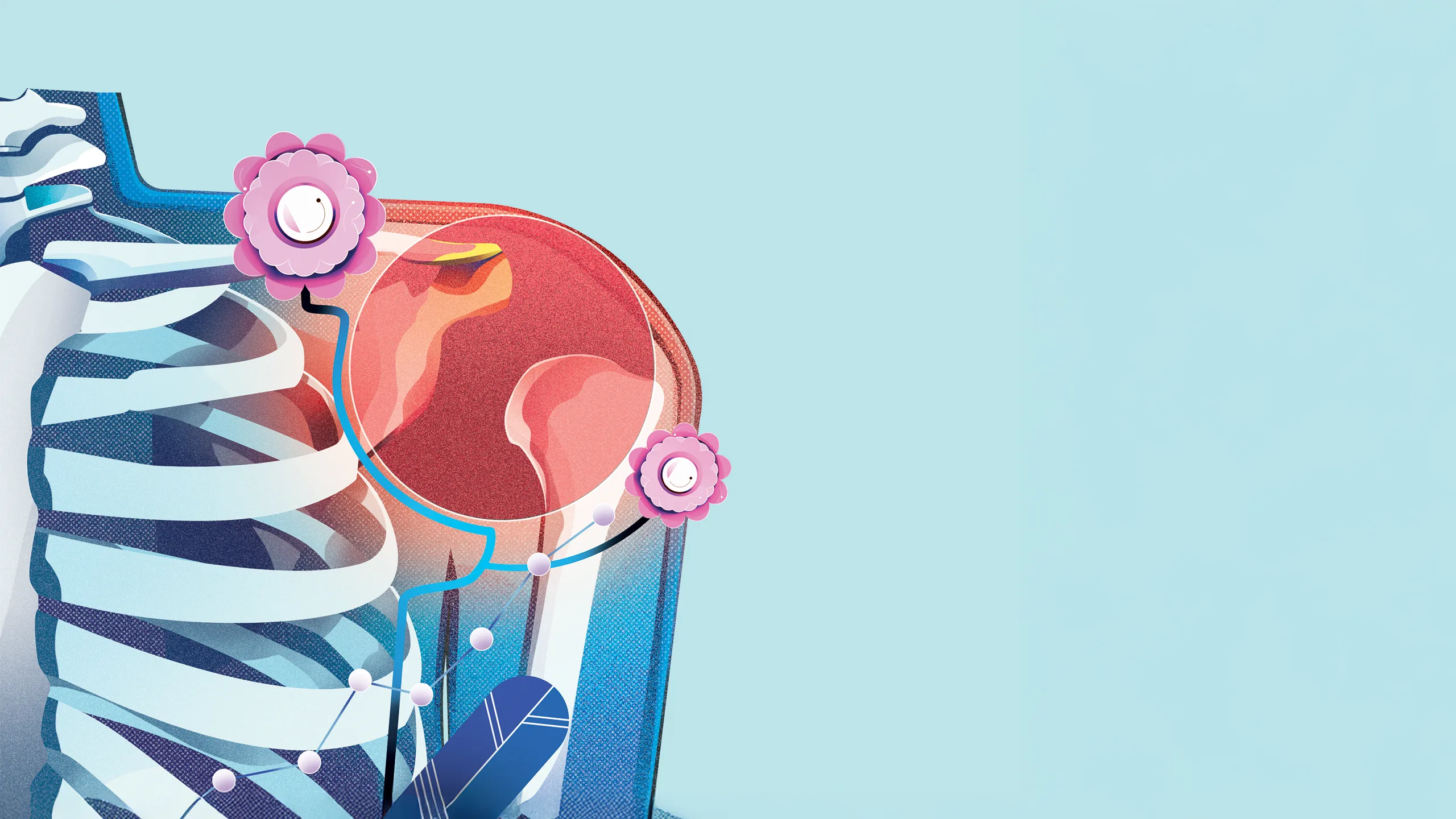
“The shoulder joint is vulnerable as it is reliant on muscles and ligaments to hold it in place,” Alison explains. “It’s made up of a small ball sitting on a shallow cup.” To guard against future injury, and during recovery, it’s important to build strength in the surrounding muscles, and to maintain good posture. “Missing out on the strength and conditioning phase of rehab is a common mistake,” Alison adds. “It is important to address strength and stability, and to make sure that the shoulder joint, muscles and shoulder blade are working as a co-ordinated team.”
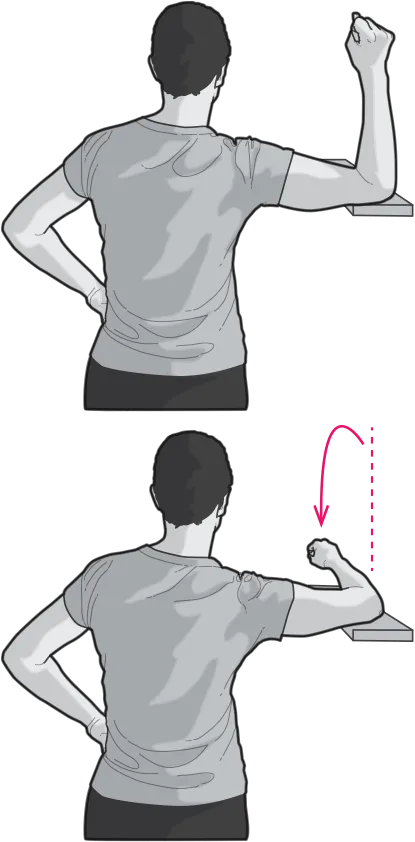
Build stronger, more stable shoulders
This exercise isolates the rotator cuff to build shoulder strength and stability
01 Stand sideways on to a wall with your elbow just in front of your shoulder and resting on a shelf, fist pointing to the ceiling. Hold a 1-2kg weight in your hand.
02 Slowly lower your hand towards the floor (no further than parallel).
03 Lift your hand back up, ensuring the shoulder doesn’t come forwards. Do 3 sets of 15-20 reps.
“Don’t increase the weight until you can do 3 sets of 15 reps with good form.”

Sky Brown
Two-time Olympic medallist, two-time skateboarding world champion and four-time XGames gold medallist. Connect with her on Social