









Location Corsica, France
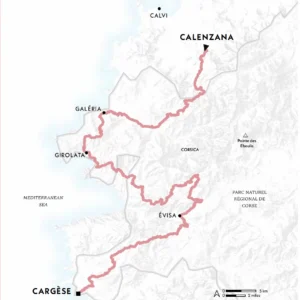
Start Calenzana
Finish Cargèse
Distance 122km (76 miles)
Duration 10 days
Challenge Level 4/5
When to Walk April-June & September-October
Info visit-corsica.com
With its rumpled interior and shimmering beaches, the l’Île de Beauté is a beautiful place for a walk, with the ‘Sea and Mountains’ route one of the best
The apparent inaccessibility of much of mountainous Corsica has, strangely, long attracted people. There’s a local phrase, ‘prendre le maquis’, meaning to hide away in the shrub-cloaked interior of this rugged Mediterranean isle – which is exactly what Corsican guerrillas did in the 18th century when fighting the Genoese for independence.
They gained their freedom in 1755, only to be conquered again, by the French, before the century was out. However, while the island has been part of France virtually ever since, it’s never lost its sense of self. The Corsican dialect is similar to Tuscan, reflecting the proximity to Italy andthose centuries of Genoese rule, while – particularly in the island’s highlands – there’s a strong sense of national pride and identity: they call it l’âme Corse, the ‘Corsican Soul’.
To help preserve this, the Parc Naturel Régional de Corse was inaugurated in 1972. Covering almost 40% of the island, its founding mission was to promote ecotourism and combat the depopulation of the mountains; old huts were renovated, new refuges were built and trails were blazed to link isolated villages and encourage hikers to visit them. These trails have become the best way for outsiders to delve into the unreachable-seeming hinterland and discover Corsica’s soul for themselves.
A testing year-round walk
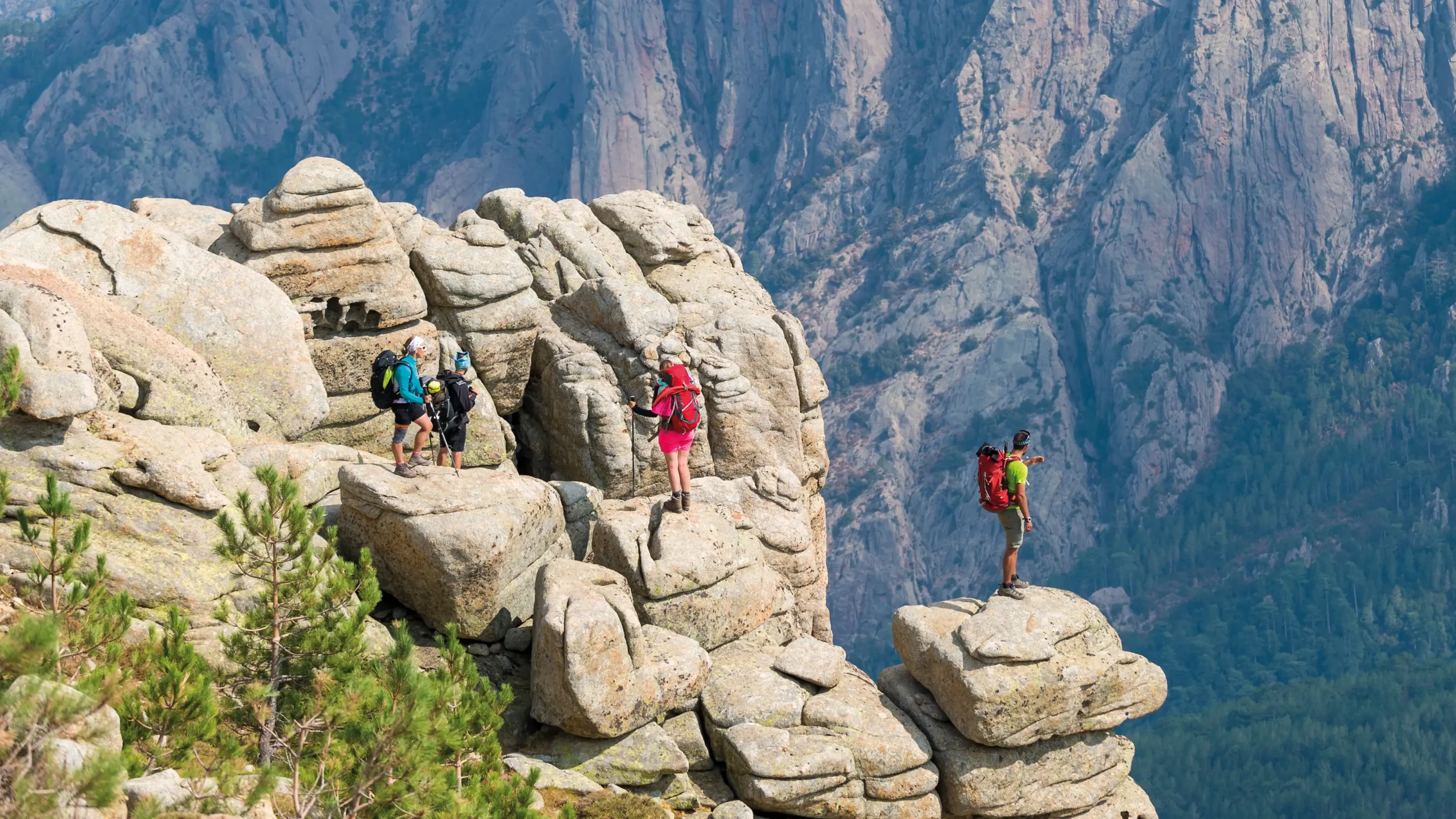
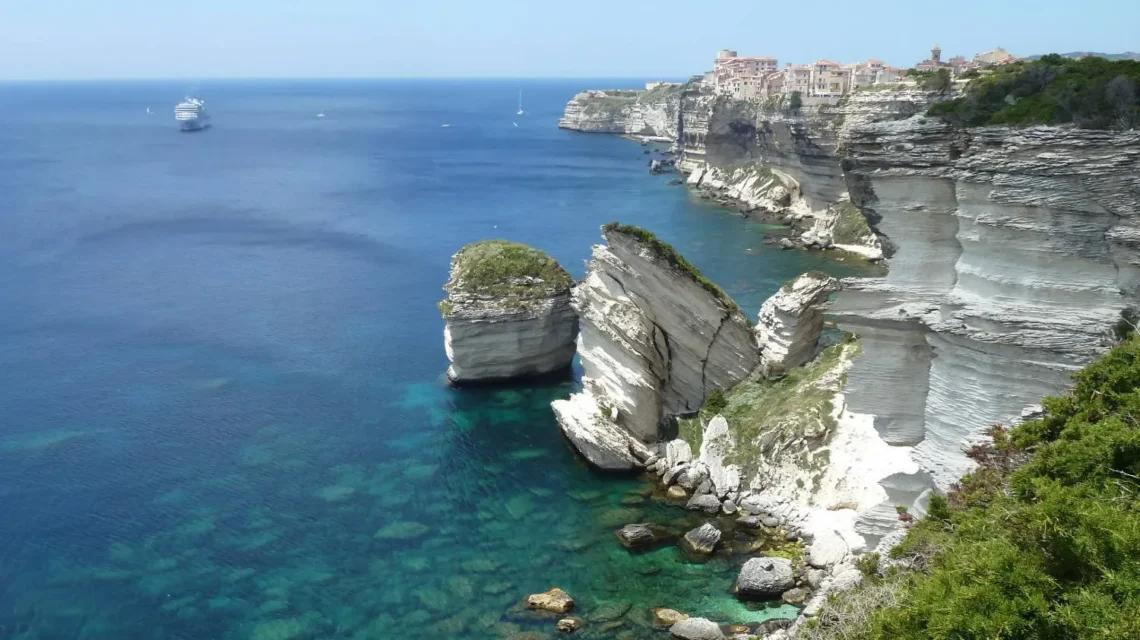
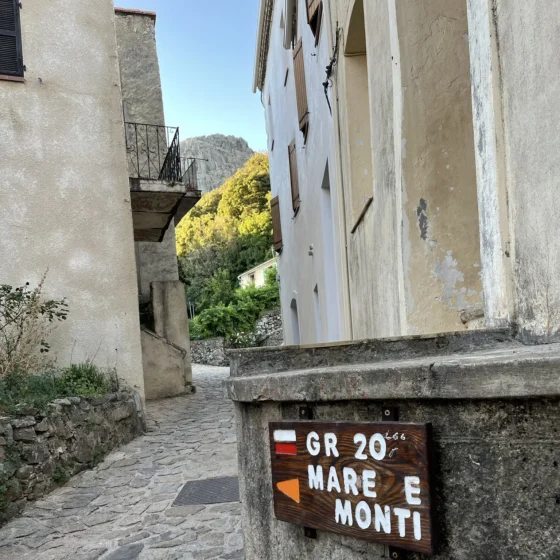
One of these trails is the Mare è Monti Nord, which wiggles between the sea (mare) and mountains (monti) of the natural park’s wild west. Corsica has tougher, better-known treks, but this one manages to tick a lot of boxes without being cripplingly hard. Charting a course that stays largely in sight of the Med but also ascends closer to the high summits, the Mare è Monti Nord offers a dazzling diversity of scenery: swathes of coastal maquis, deep valleys and ravines, the plunging Gorges de Spelunca, atmo- spheric old-growth chestnut forest, cobbled mule tracks and shepherds’ paths, abandoned hamlets, colourful sea cliffs.
Marked with orange flashes, the route is broken down into 10 stages, none of which are overly long – some hikers choose to cover the whole trail in fewer then 10 days. This is perfectly doable, as long as you’re sure of foot and fit enough for frequent ups and downs, but it’s a shame to rush. There are villages placed just about often enough that you can spend each night in a homely gîte and get a glimpse of rural Corsican life.
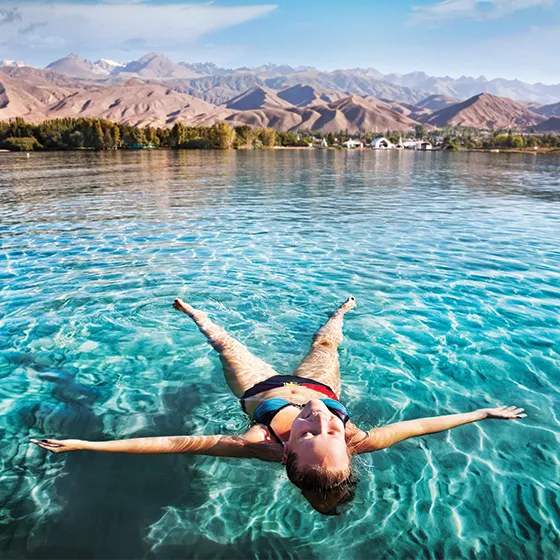
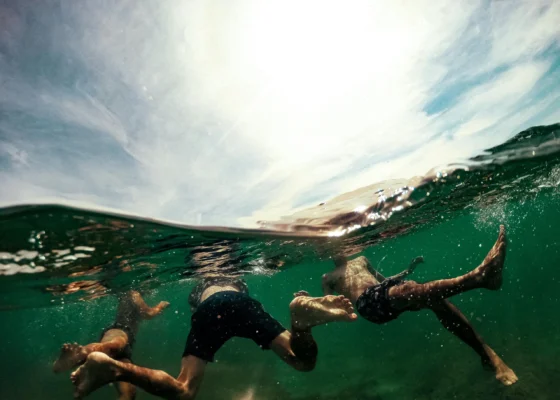
The Mare è Monti Nord could technically be walked year-round, but accommodation options often close outside the main season, and temperatures can soar in July and August, intensi fied by the hot sirocco winds blown from the Sahara – so spring and autumn are the optimum times to tackle the route. June, with its long days, open facilities, warm sunshine and generally more settled weather, is a fine choice. And if it does heat up, rest assured that there are plenty of opportunities for cooling off along the way: for instance, take sea dips at wild Plage de Tuara, sandy Galéria and gorgeous Girolata (a traditional village still only accessible on foot or by boat), or frolic in the Vallée du Fango’s natural pools.
Get involved
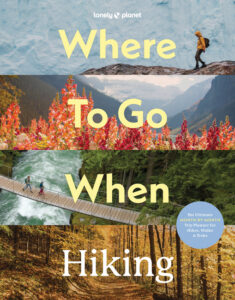
Extract taken from Lonely Planet’s Where To Go When Hiking, written by Sarah Baxter and Paul Bloomfield. Discover 96 spectacular hiking trails around the world and the best times to explore them in this inspiring month-by-month trip planner.