









The premise is compelling: a simple at-home test that decodes your unique biology and tells you exactly what to eat. It’s already hooked hundreds of thousands of subscribers. But how much is science-backed innovation – and how much is savvy marketing?
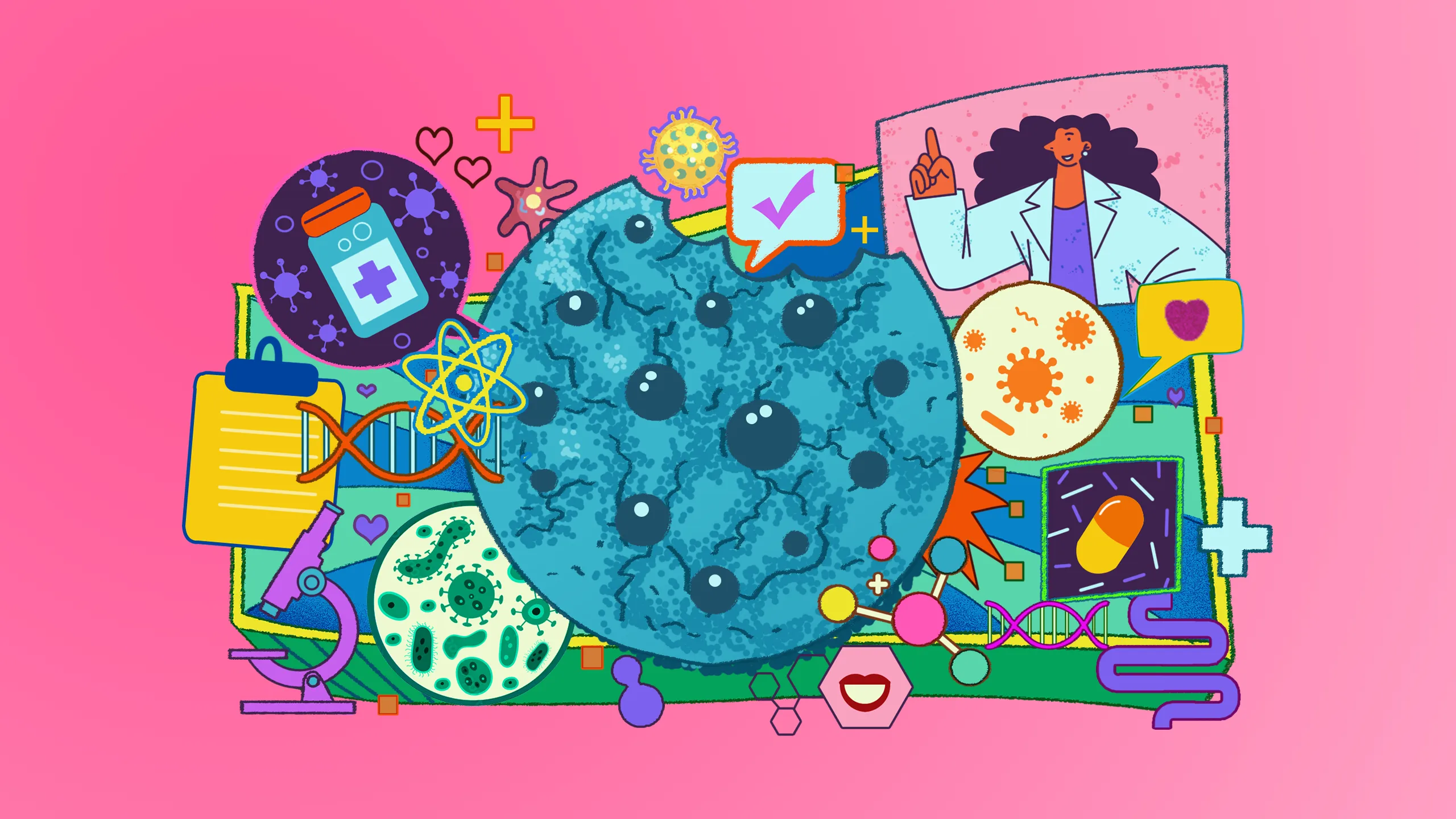
Companies like Lingo, Thriva and ZOE, founded by King’s College London scientists Tim Spector and Sarah Berry, employ a battery of DIY tests, including stool sampling, blood testing and continuous glucose monitoring, to offer tailored dietary recommendations based on your ‘unique’ biological responses to their infamous blue test cookies (IYKYK).
Subscribers report a host of benefits, from better digestion to reversing long-term health conditions. “I lost a stone in weight without trying, my joints are less painful, I’ve reduced my thyroid medication, and my concentration, energy levels and sleep are better,” says Judith Cousin, who went on to write a ZOE-inspired cookbook, Happy Inside. “My husband, who has had stomach issues since he was a teenager, no longer takes medication and avoided major surgery. It was a big investment but worth every penny.”
GP Lucas Denton, Clinical Governance Lead at Thriva, lost 20kg and reversed the early warning signs of type 2 diabetes, heart disease and fatty liver after Thriva testing. “I reduced my risk of developing the kinds of chronic illnesses I see in my patients every day,” he says. ZOE’s own randomised controlled trial confirmed that participants who followed the programme tended to experience improvements in mood, sleep quality, energy, hunger control and gut health.
There is no evidence that personalised nutrition is more effective than a generic healthy diet
However, experts urge caution. “Some people benefit from learning how their body responds to carbs or fats, or from getting insight into their microbiome,” says nutritionist Rob Hobson. “It can also create accountability and nudge people toward healthier habits, something you should never underestimate. That said, many of the recommendations still boil down to common sense: eat more fibre, reduce ultra-processed foods, sleep well, move more.”
Academic researcher Nicola Guess is more critical. “There is no evidence that personalised nutrition is more effective than a generic healthy diet,” she says. “In the ZOE trial, the ZOE group also received coaching, education and support. We know that education and ‘nudging’ can help people to eat more healthily. But don’t be fooled into thinking that means you need to undergo expensive testing. At the present time, this is simply unproven.”
“I gained a lot from just following the free advice contained in the ZOE website and podcasts,” agrees ZOE subscriber Judith Lawrence. “That sorted the blood glucose and weight. But to finally clinch the blood lipids, rather than going on statins, I signed up. It took just over 6 months to reach a healthy level. And my post-menopause hair loss and rosacea, which I thought were permanent, have completely cleared up.”
If you’re thinking about dropping £300+ on a test kit, know that you’ll still need to check off the fundamentals. And know that change is still going to require time, effort and energy, as well as money. Is it worth it? Ultimately, it’s a personal call.
“Used mindfully, these programmes can be helpful,” says Rob. “But they are not magic bullets. Don’t lose sight of the basics, which still do most of the heavy lifting when it comes to long-term health and disease prevention.”
What (not) to test for
What’s worth checking — and what’s a waste of time and money
 01 Vitamins
Do: Check your vitamin D – it’s critical for long-term bone and muscle health. 1 in 6 adults have low levels.
Don’t: Bother testing for water-soluble vitamins like vitamin C – they vary throughout the day.
Rob says: Interpretation is really important here. Levels of vitamins and minerals can fluctuate throughout the day depending on hydration, stress and food intake, so a single snapshot might not offer the full picture.

02 Minerals
Do: Monitor your iron. Iron deficiency anaemia is the most common nutritional deficiency in the world, affecting 30% of the population.
Don’t: Test for ferritin (stored iron) when you’re ill – levels spike with infection and inflammation.
LK says: Do your homework and be selective about the measures you choose to test. Just because something can be measured does not necessarily make it meaningful or actionable.

03 Microbiome
Do: Remember that the science behind microbiome testing is still in its infancy.
Don’t: Get too hung up on good and bad bacteria. Certain bacteria can do good in one person and bad in another.

04 Blood glucose
Do: Use guidance from evidence-based sources to help you interpret CGM readings.
Don’t: Forget the basics. “I see a lot of people consuming an unhealthy diet because they’re using a CGM to guide what they eat,” Nicola warns.
Nicola says: Blood glucose is close to an irrelevant marker for metabolic health in people with-out diabetes. And if you’re doing a lot of endurance exercise, you’re going to need lots of carbohydrates.
05 Basic checks
Do: Get to know your numbers: blood pressure and LDL cholesterol are particularly important.
Don’t: Skip your free NHS Health Check. If you’re over 40, you should get one every 5 years.
Rob says: These simple measures can offer real insight into your health and help to provide direction for dietary changes, whether that’s increasing fibre, reducing salt, or focusing on heart-healthy fats.

Rob Hobson
is a registered nutritionist and sports nutritionist with almost two decades of experience. His latest book, Unprocess Your Life, is out now. Follow him on Instagram

Dr Nicola Guess
is an academic dietitian and researcher specialising in the prevention and management of type 2 diabetes. She works at Oxford University.
drguess.substack.com