









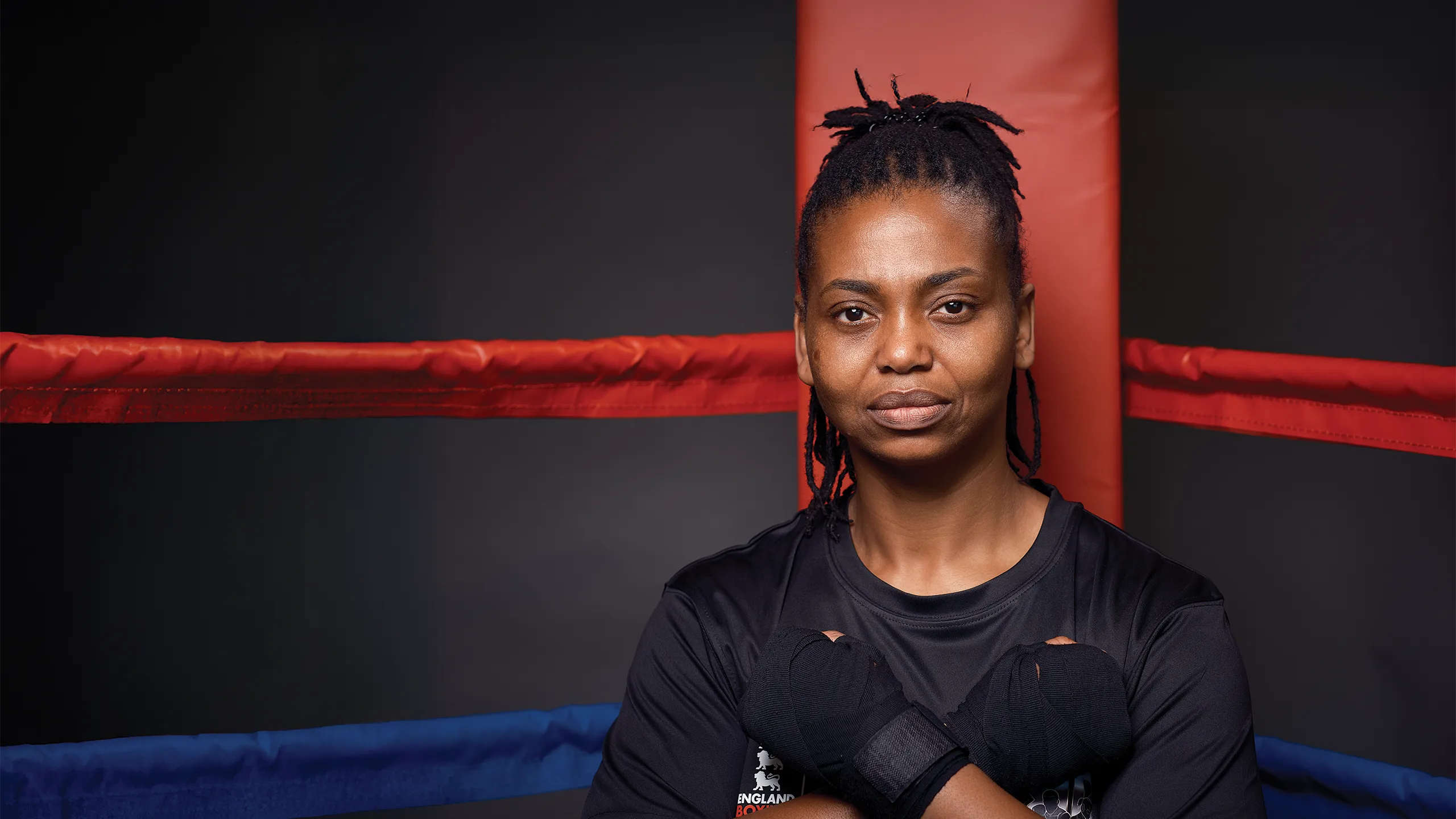
 y the time Michelle Nelson opens the doors to her gym each morning, the mood inside Bellator Boxing Academy is already set. Gloves thud against pads. Skipping ropes crack rhythmically against the floor.
Teenagers who might otherwise be drifting the streets of Luton gather instead beneath heavy bags and bright lights, welcomed into a place built on discipline, trust and belonging. For Nelson, boxing has never simply been about fighting. At 41, the founder of Bellator Boxing Academy has become one of the most influential female coaches in her community, using the sport as a vehicle for confidence, emotional resilience and personal transformation.
Eight years ago, though, she was working in aeronautical engineering and walked into a boxing gym for a very different reason. “At first it was just to lose weight and get fit,” she says. “But I absolutely loved it from the first session.”
Michelle’s mission
What began as a fitness goal soon became a career change – and eventually a mission. Last year, Nelson opened her own gym in one of Luton’s toughest areas, determined to give young people an alternative path and a safe environment in which to grow.
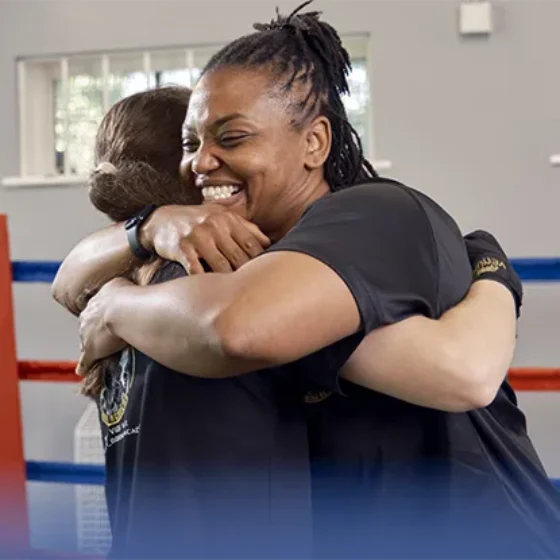
“What pushed me was the drive to make a difference and help young people break free from the cycle,” she explains. “They could be anywhere else doing anything, but we’ve created that safe space for them. If you create a family, you create that safe space.”
Although much of her work focuses on vulnerable young people, Nelson has also witnessed a major shift in the number of women stepping into boxing gyms – not necessarily to compete, but to feel stronger, more capable and more confident in themselves.
For years, traditional gym culture has alienated many women. Endless rows of cardio machines, intimidating weights areas and pressure to pursue aesthetics over performance have left some searching for a different kind of exercise experience. Boxing offers something else entirely: purpose.
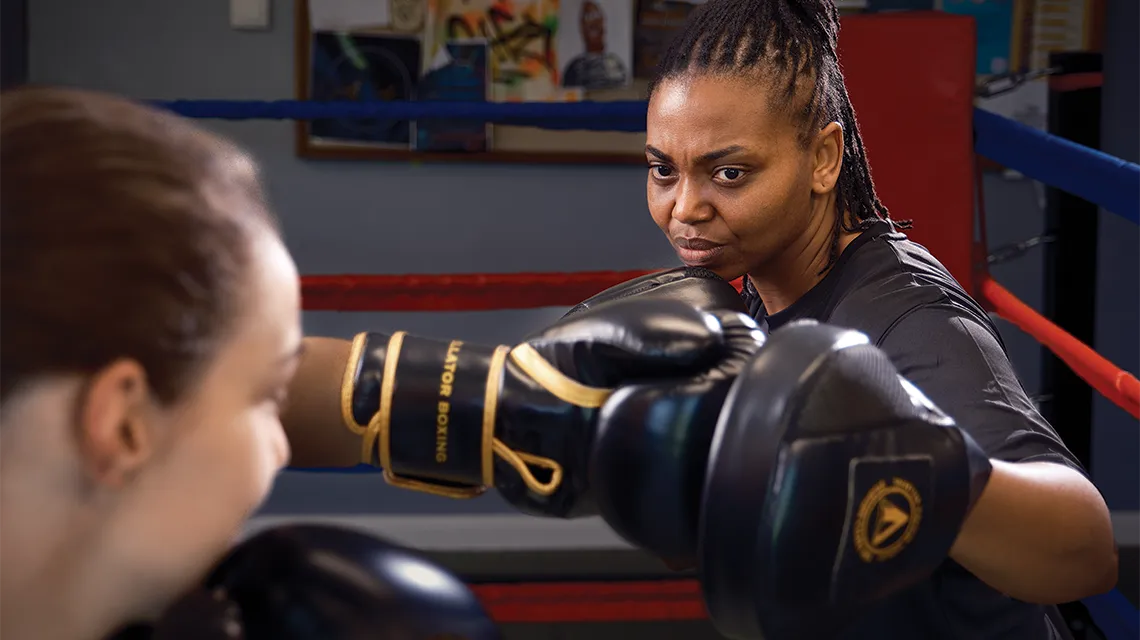
Every punch thrown demands focus. Every round on the pads requires presence. Instead of staring at mirrors or counting calories, participants become immersed in movement, skill and progression.
“It gives women confidence very quickly,” Nelson says. “You can see it in the way they carry themselves after just a few sessions. They realise they’re stronger than they thought.”
Unlike repetitive gym routines, boxing demands engagement. Research has consistently shown that exercise involving coordination, concentration and skill development can improve mood, sharpen focus and reduce anxiety levels. For many women, the emotional release of hitting pads or a punch bag becomes just as valuable as the calories burned.
Nelson sees those benefits daily. “I use boxing as a tool to help young people’s mental health,” she explains. “I also work in schools, using the sport to reach vulnerable young people and keep them off the streets.”
Coaching changes needed
Stepping into coaching, however, came with its own challenges. Boxing remains heavily male-dominated, and Michelle Nelson admits entering the industry was intimidating at first.
Recent data from UK Coaching’s Coaching in the UK Report revealed the number of female coaches fell from 44% in 2022 to 38% in 2024, despite women making up more than half the UK population.
Coming from engineering, another male-dominated profession, Nelson was already familiar with the barriers women can face. Yet boxing, she says, brought a mixture of support, scepticism and moments where she felt she had to prove herself repeatedly.
Still, the rise in female participation is slowly reshaping the sport. Women-only sessions, beginner-friendly classes and community-focused boxing gyms are creating more inclusive environments, helping newcomers feel comfortable regardless of age, size or experience.
Rather than training for appearance, more women are embracing strength as a marker of health
All-round benefits of boxing training
Importantly, boxing is also changing perceptions around strength training. Rather than training purely for appearance, more women are embracing strength as a marker of health and empowerment. Boxing naturally develops muscular endurance, athleticism and coordination without the pressure often associated with conventional weight-room culture.
According to Jake Mulley, a physiotherapist at Complete Physio with a background in combat sports and martial arts, strength work plays a crucial role in supporting boxing performance and reducing injury risk.
“Boxing as a sport and exercise requires individuals to have strong shoulders, a stable upper body, good neck control and rotation through the spine,” he explains. “These all assist in optimising your performance in training and help to mitigate injury risk.”
Mulley says the benefits extend far beyond competitive fighters. Building upper-body strength, improving posture and developing thoracic mobility can help everyday exercisers feel stronger and move better in daily life.
“The chest muscles help generate force during punching movements and assist with pushing actions,” he says. “Good shoulder blade control improves punching efficiency and reduces the risk of shoulder overload and injury.”
For many women, that functional strength becomes transformative. Carrying shopping bags feels easier. Posture improves. Confidence grows. Physical capability begins to replace aesthetic pressure as the main motivation for training.
Perhaps that is boxing’s greatest appeal: it teaches women not how to look stronger, but how to be stronger. Inside Bellator Boxing Academy, Nelson sees that transformation happen constantly – in women discovering confidence, in teenagers finding structure, and in people learning to channel stress into something constructive. “The gym becomes more than somewhere to train,” she says. “It becomes somewhere people belong.”
Michelle Nelson
Founder and head coach of Bellator Boxing Academy in Luton. After discovering boxing eight years ago while working in aeronautical engineering, she turned her passion into a new career. Today, Nelson coaches women and young people, works in schools and uses boxing to develop fitness, confidence, discipline and emotional resilience within her local community.