











From probiotics and fermented foods to fibre supplements and greens powders, there’s no shortage of products promising to transform what’s going on inside. But gut health is more than just a wellness trend – the microbiome has knock-on effects on everything from the immune system to training and recovery. So where should you start – and do you really need all those gut-health products? Dietitian and author Josie Porter explains why gut health matters for performance, why real food has the edge over supplements, and the simple changes that quickly add up to a happier, healthier microbiome.
Gut health is a huge topic right now. Why does it matter for performance?
Gut health matters for performance because if your gut isn’t happy, your training probably won’t be either. Many runners and cyclists know that bloating, cramping or urgency can quickly derail a session or race.
It also links closely to immunity. A large part of the immune system interacts with the gut, which is why many of the same habits support both. In my book I talk about the importance of prebiotic fibres from whole foods like beans, whole grains, nuts, seeds, fruit and vegetables. These feed beneficial gut bacteria, which in turn produce compounds that support the gut lining and help regulate inflammation and recovery.
What’s your take on gut health supplements?
Targeted gut supplements can make sense when used at the right time, for the right reason. For example, certain probiotics or specific fibres can be helpful for things like IBS symptoms or after antibiotics.
Probiotics are live microorganisms that, when consumed in adequate amounts, may provide health benefits. Some strains have been studied in athletes for reducing gastrointestinal symptoms during endurance exercise or lowering the risk of upper respiratory infections during heavy training periods. The effects are strain-specific and generally modest, so they are not a magic bullet, but for some athletes they can be a useful tool.
For most people though, the biggest wins still come from the basics. Eating enough, getting a good diversity of plants and plenty of fibre tends to do far more for the gut microbiome over time than any single supplement.
Probiotic supplements often contain just one or two strains of bacteria, while fibre supplements often contain just one type, and other popular supplements like greens powders are often proprietary blends where we don’t know how much of an ingredient is contains.
In contrast, whole foods provide a much wider mix of fibres and plant compounds like polyphenols (these are what give plant foods their colour) that help feed your gut bacteria, while fermented foods and those with live cultures (think yoghurt and kefir) can also help introduce more beneficial bacteria to your gut. It is the variety that best supports a more diverse and resilient microbiome. So, if you’re relying heavily on powders or pills, you may be missing out.
Eating enough, getting a good diversity of plants and plenty of fibre tends to do far more for the gut microbiome over time than any single supplement.
How can we improve our gut health through our diet?
Start by looking at what you’re already doing. Track a typical day or two of eating and check fibre on food labels or in a tracking app. As a rough guide, aim for around 30g a day. Then zoom out and look at your week. How many different plant foods are you actually eating? Aiming for close to 30 per week is a helpful target, and more variety is consistently linked to better gut health.
From there, keep it simple. Add beans to meals, throw some nuts or seeds onto breakfast, and rotate your fruits and vegetables instead of buying the same few on repeat.
You can experiment with fermented foods like yoghurt or kefir if you enjoy them. Just build them up gradually, the same way you would with fibre – otherwise, your gut will let you know about it.
It’s also worth thinking about timing, especially if you’re active. Large amounts of fibre or fermented foods right before exercise can sometimes lead to bloating or discomfort, so it can help to space these out and have higher fibre meals away from training.
If you’re already doing that, you’re in a good place. You can try nudging things up slightly to see if you notice any added benefit, but more isn’t always better, and we don’t have clear evidence that going well beyond these targets makes a difference.
Josie Porter
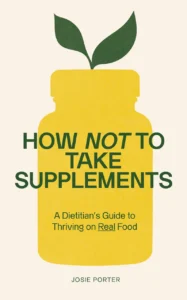
A registered dietitian specialising in weight management and women’s health. Her book, How Not to Take Supplements, is available to buy now.