









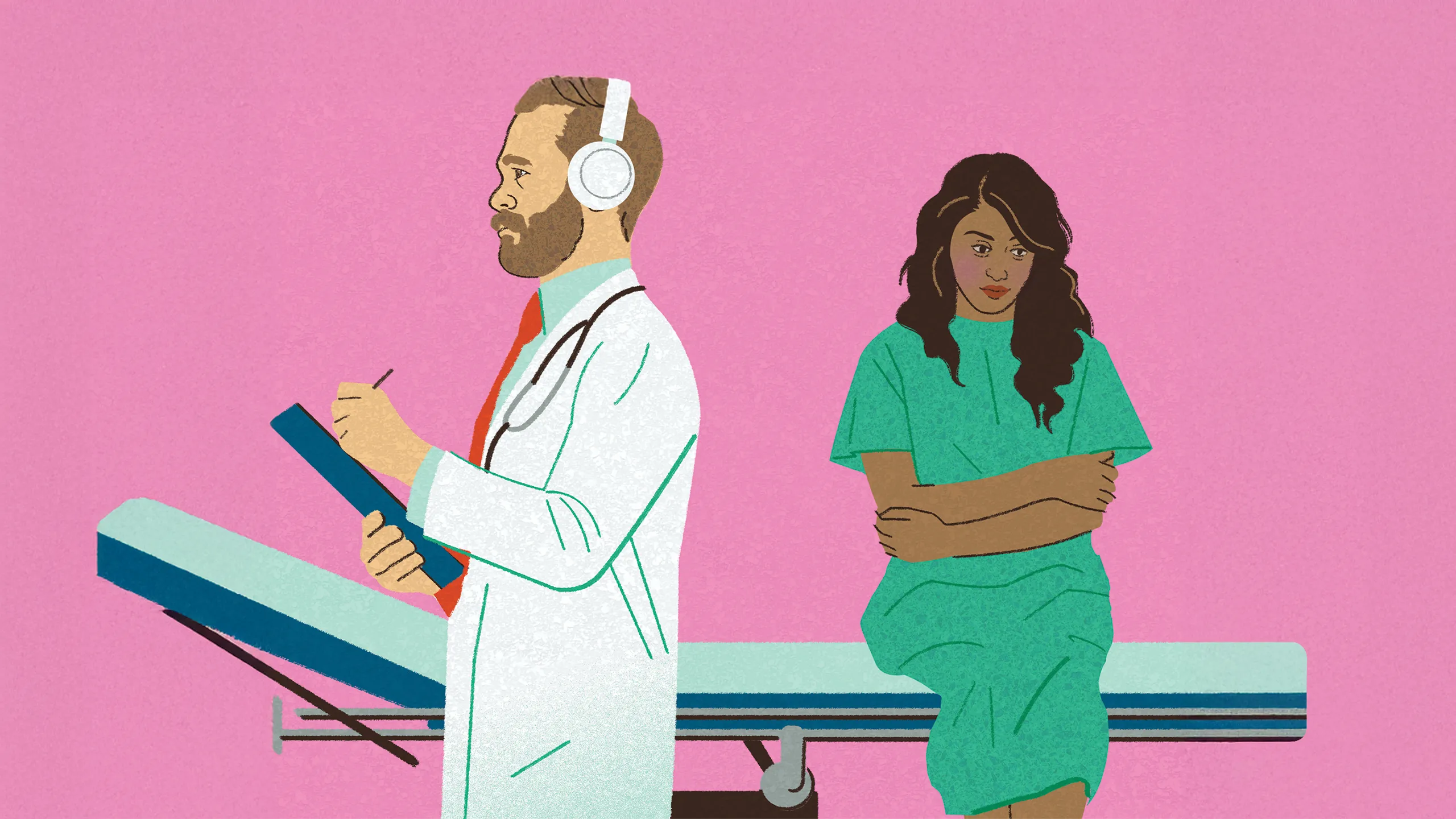
Most health conditions in women are under-recognised due to massive under-investment in research. Medical professionals still work to a male – and often white – default model when assessing symptoms, analysing tests and predicting treatment outcomes. There is a well-documented gender pain gap whereby women’s pain is systematically dismissed, misdiagnosed and underestimated. This is likely linked to further problems, including gender pay gaps, and women living longer in poorer health.
Conditions like fibroids and endometriosis still suffer from outdated and incorrect views amongst some healthcare professionals, who describe symptoms as “just a period” or “a natural part of being a woman.” The government’s new Women’s Health Strategy is an important cultural signal – positioning women’s experiences as system data rather than anecdotal. But the real test will be whether it leads to earlier diagnosis, fewer dismissed symptoms and faster access to effective treatment. Until then, lived experience will continue to lag behind the ambition on paper.
Women’s pain is systematically underestimated and often dismissed
Not just a period
70-80% of women worldwide have a fibroid by the age of fifty, but awareness is still low because heavy, painful periods have long been normalised. Women with fibroids may wake up at night due to leaks or miss work due to clots, pain or passing out. Other symptoms include frequent weeing, incontinence, bloating, constipation and difficulty having sex. Significant mental health problems can be caused by chronic pain, disturbed sleep and relationship breakdowns, combined with the emotional toll of having to convince medical professionals to believe, investigate and treat you.
Many women do not feel fully informed about their treatment options – they come away from appointments feeling that hysterectomy was the only option offered. This is not true and is something that can be improved with more information and awareness, for both women and healthcare professionals.
The fight for better healthcare
Outcomes are further influenced by biological factors and systemic inequities, with Black women often diagnosed at younger ages and experiencing more severe symptoms, while facing delays in diagnosis and reduced access to uterine-sparing treatment options. If symptoms are left unchecked, long-term consequences can include anaemia, cardiovascular disease and bladder issues, including overactive bladder and urinary retention. Severe blood loss may also require emergency intervention.
If you have a symptom that impacts your life, you must go and see your doctor about it, particularly if it suddenly worsens. It can help to ring your local practice and ask to see a doctor with a focus on women’s health. Until all doctors recognise and believe the symptoms we report, women must keep pushing for the care they deserve.
Dr Michelle Griffin
Dr Michelle is an obstetrician and gynaecologist with 20 years of experience, and the founder of MFG Health. Her new book, Fibroids, is available now.