









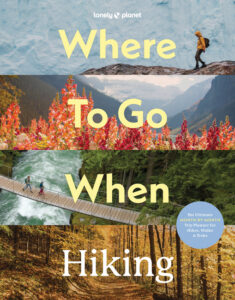
Hiking offers something other forms of travel can’t, say Sarah Baxter and Paul Bloomfield, authors of Where To Go When: Hiking, Lonely Planet’s month-by-month guide to the world’s best walks and treks. “Immersion in a landscape, culture and nature. A sense of achievement. A pace that allows you to absorb what you’re seeing, hearing and smelling. Access to remote spots inaccessible by road. And a shift in mindset, travelling as your forebears did centuries or millennia ago.”
But choosing the right hike is as much about timing as destination. “Weather, of course,” they say. “It usually pays to avoid rainy season. And if you’re planning long days, you need to ensure you have enough daylight. But there are other reasons to hike in a particular season – trees or wildflowers might be in bloom, or a particular local delicacy might be in season.”
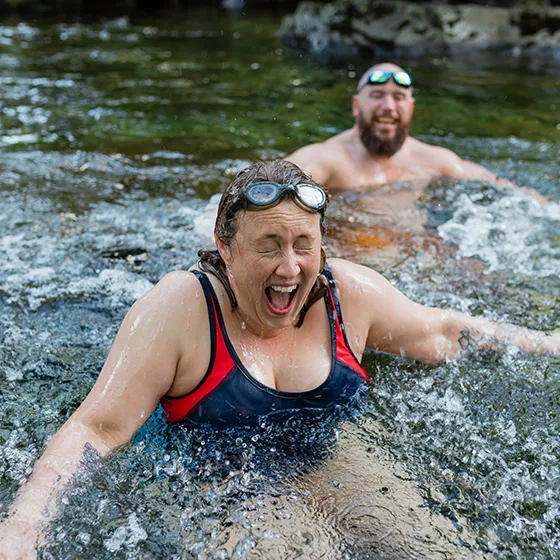
“Winter hiking can be truly glorious,” they add. Earlier this year, the pair tackled the Nakahechi Trail on Japan’s Kumano Kodō pilgrimage route. “We were ready for cold temperatures and difficulties finding shops and restaurants that were open. In fact, it was a joy: quiet paths, lush foliage in the forests, brisk but sunny mornings, and special seasonal treats including a dip in the Senninburo at Kawayu Onsen – a free open-air hot-spring bath dug into the riverbed, which is open only in winter.”
They also recommend Andalucía and the Canary Islands: “Pleasantly warm, but not too hot, particularly in mountain regions like the Alpujarras or on La Palma or La Gomera.”
We did encounter a naked rambler on the South West Cost Path near Lyme Regis a couple of years ago
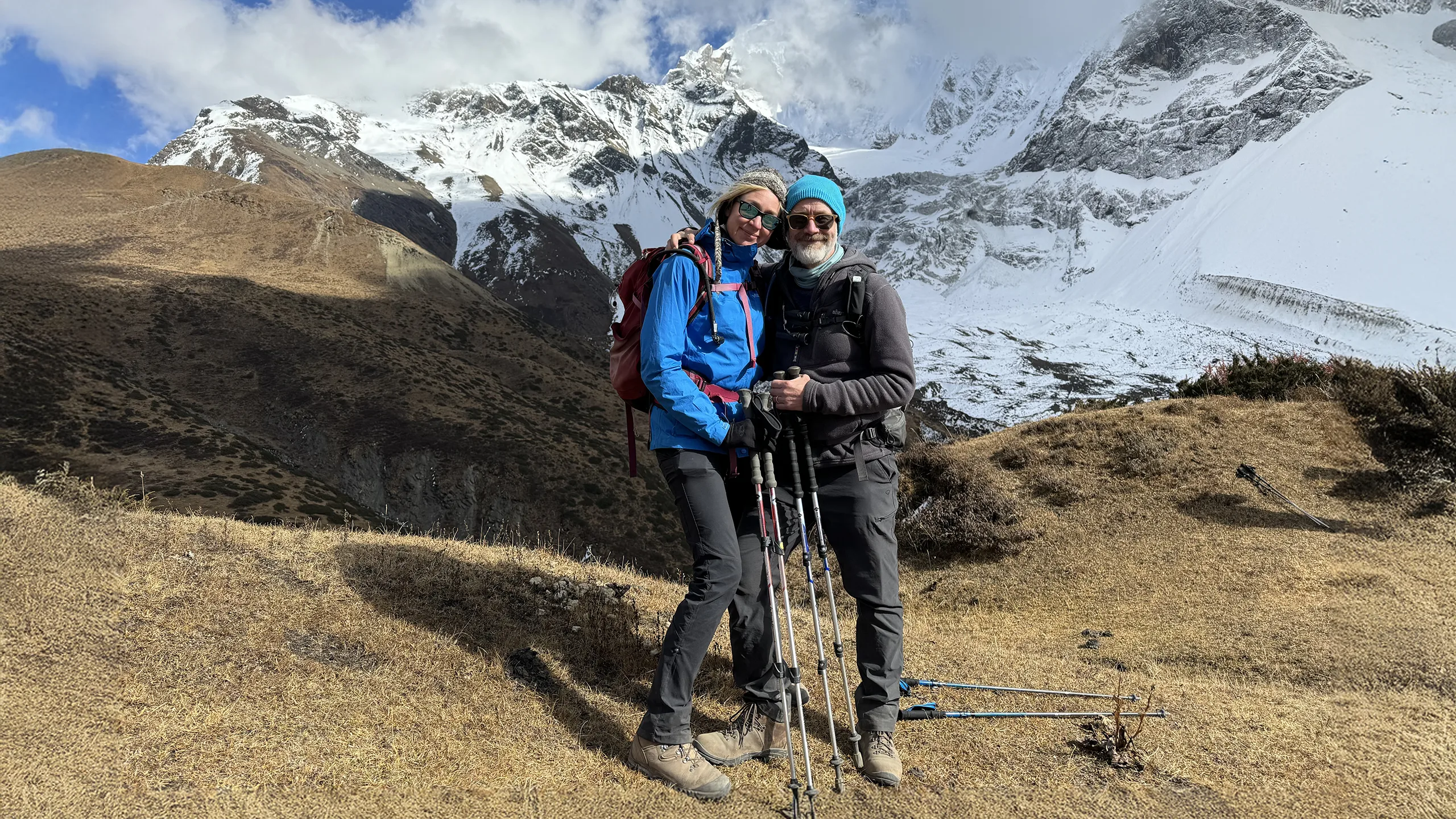
In colder conditions, gloves are essential. “We did encounter a naked rambler on the South-West Coast Path near Lyme Regis a couple of years ago – on a bitterly cold mid-December day when the mercury had dropped well below freezing!” they reveal. Not a strategy they would particularly recommend. “Hands can get icy quickly and take ages to warm up, particularly if you’re using poles,” they explain. “Frozen hands make simple tasks like tying shoelaces, opening backpacks and zipping jackets so much more difficult.” Preparation is critical. “Be prepared to turn around if the weather turns or you lose your way. Plan around daylight hours and allow plenty of buffer. But pack a headtorch anyway. And remember sunscreen – winter sun can still burn.”
Come spring, lambs and daffodils dot the Welsh countryside, while southern England’s woods fill with bluebells and wild garlic. Greece is also a good shout (not too hot, fewer tourists). But look out for livestock. “Cows can get testy, particularly if you’re walking with a dog,” they warn. “And in some countries, animals that have snoozed through winter may be waking up – stinging insects, snakes, even bears. Check local information and take care if planning a river crossing – rivers can be unpredictable after heavy spring rains or snowmelt.”
Summer is prime time for the Alps. “It’s the only time many mountain trails, high passes and refuges are open,” they explain. Carry more water than you think you need. “3L isn’t too much. And a portable water filter can be a lifesaver.” And if you’re heading to a region with biters – midges, for example – take a suitable repellent.
Scotland and Scandinavia come alive in autumn. Midges (and crowds) are gone, the heather glows purple, autumn colours set the woods aflame and the weather’s often pretty good. But beware of hunting season. “In France, for example, people may be out with guns from early September. And know what’s safe to eat before plucking or munching on berries.”
Ahead, we explore some of the book’s standout routes for all seasons, from beginner-friendly coastal rambles to bucket-list mountain epics.
Get involved
Extract taken from Lonely Planet’s Where To Go When Hiking, written by Sarah Baxter and Paul Bloomfield. Discover 96 spectacular hiking trails around the world and the best times to explore them in this inspiring month-by-month trip planner.