










 an power isn’t always about protest marches or making headlines. Sometimes it’s as simple as a volunteer selling programmes in the rain, or a cricket coach turning up to a collapsing inner-city club with a plan. LK hears from two organisations doing the unglamorous, essential work that keeps grassroots sport alive: one saving a historic rugby club from the margins, the other using cricket to change young lives in London and beyond.
 STEP 01 Know your purpose
“Be clear about your purpose and honest about what you need,” says Andrew Hopkins, Chair of Friends of Newport Rugby Trust. “People are more likely to support you when they understand exactly what their contribution will protect or create.” For FoNR, that purpose has never wavered: keeping Newport RFC alive and rooted in its community, through financial support, matchday volunteering, and giving supporters a genuine voice.
STEP 02 Get the basics in place early
Without the right foundations, even the most passionate group will struggle to access the support it needs. Ratan has seen this repeatedly with inner-city cricket clubs: “You need a club constitution, a bank account, a safeguarding policy. It is not that hard, but if no one shows you, it doesn’t happen. Once you have that foundation, you can pay for coaches, venue hire, and kit.”
STEP 03 Listen to the people you represent
A fan group is only as strong as its relationship with the community it serves. FoNR works closely with the Newport RFC board, holds regular liaison meetings, and has made a deliberate decision to keep its committee roles separate from club governance to maintain an independent voice. “The challenge for us,” says Andrew, “is to keep telling our story clearly, so people understand what their support makes possible.”

STEP 04 Build more than one income stream
Relying on a single fundraiser is a vulnerability. FoNR learned this the hard way when a commission-based sales initiative that looked promising on paper required more capacity than the group could offer. Their most successful initiative, the monthly Black and Amber Bullion Draw, works precisely because it is simple and consistent. “It gives supporters a simple way to contribute regularly, while also feeling part of something bigger,” says Andrew. “It is not just a draw, it is a small act of ongoing commitment to the club.”
STEP 05 Ask for more than money
The most common mistake new groups make is treating fundraising as purely financial. “Do not only ask for money,” says Andrew. “Ask for time, skills, ideas, contacts, and energy. In a community club, someone who can help with IT, sponsorship, admin, maintenance or communications can be just as valuable as someone who gives financially.” At FoNR, volunteers write and sell programmes, check tickets, announce at the stadium and clear up afterwards. Some of it is unglamorous, but it’s all essential.
STEP 06 Don’t wait for someone else to fix it
Both Capital Kids Cricket and Friends of Newport Rugby Trust exist because people refused to wait. Ratan is characteristically direct about what he would say to governing bodies and funders: “There are too many consultations. I hate that word. People do consultation after consultation and spend so much money on it. But you know what is required, so just go and do it.” For grassroots fan groups, the lesson is the same: the cavalry may not arrive, so get started with what you have.

STEP 07 Showcase your work
“Keep showing people the impact,” says Andrew. “If their support helps keep facilities open, gives young people opportunities, funds equipment or keeps matchdays running, tell that story clearly and often.” At Capital Kids Cricket, that story includes 30 young people from inner-city London who have gone on to work as full-time cricket coaches and development officers, a Williams Trophy competition now in its 18th year, and a grand final held at Lord’s every season. “It gives them something to aspire to,” says Ratan.
Friends of Newport Rugby Trust
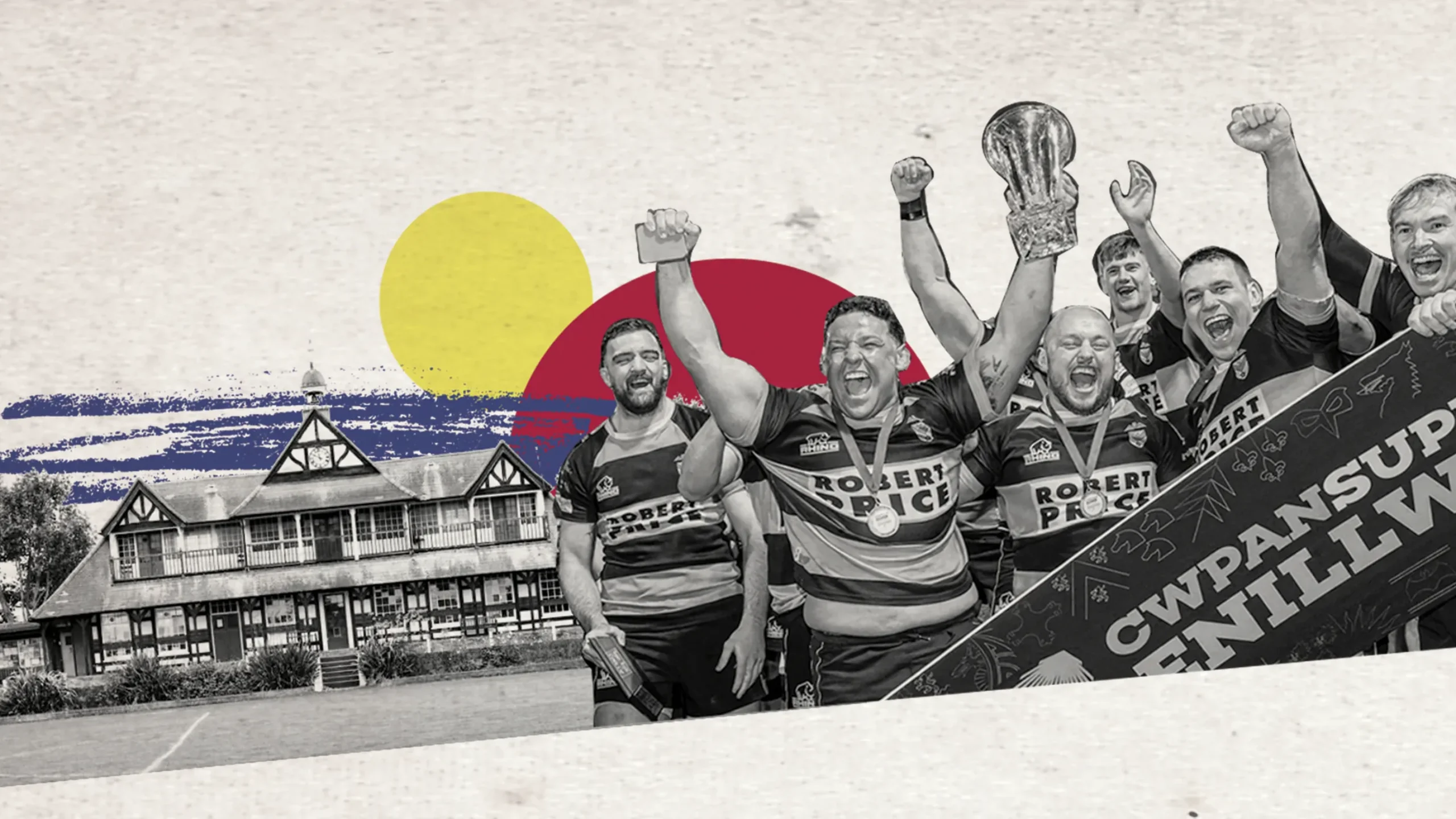
More than one hundred and fifty years after being founded in 1874, Newport RFC survives in no small part because a group of volunteers turn up every matchday to sell programmes, run the kiosk, put up banners, serve players’ meals, and clear the stadium afterwards. Friends of Newport Rugby Trust has been doing this since 2003, when the creation of regional rugby left the club’s future uncertain.
Capital Kids Cricket
Capital Kids Cricket has been fighting an urgent battle since 1989, when inner-city state school cricket was dying on its feet and two cricket-mad Yorkshiremen decided to do something about it. Over three decades later, CEO Shahidul Alam Ratan – a former Bangladesh national coach who joined in 2008 – is still doing something about it, supporting collapsing grassroots clubs through their Clubs in Need programme and fighting to keep cricket alive in communities that love the game but lack the infrastructure to sustain it.