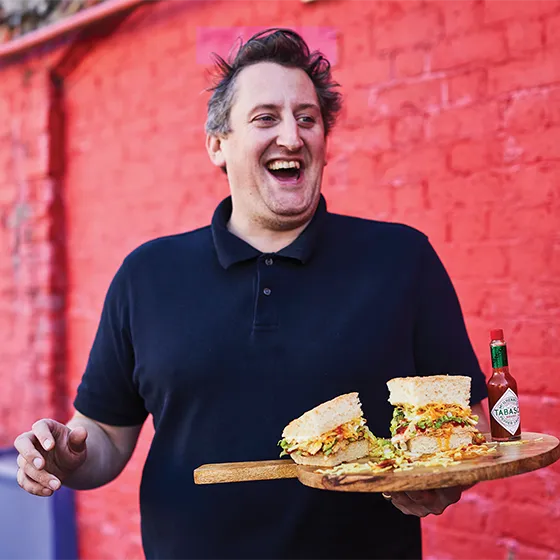











Growing up above a fish and chip shop probably isn’t the worst possible introduction to food. For George Darbyshire, it was the beginning of a lifelong love affair with proper, comforting cooking – from crispy roast potatoes to fish and chips with plenty of salt and vinegar.
The Derbyshire home cook has since turned that love of nostalgia into a very modern food career. His warm, no-fuss recipe videos reach millions online, while his Pub Grub series celebrates British classics worth making at home. He’s also the man behind Eat In The Park, a summer food festival bringing together food, music and community.
George’s approach hinges on three fundamentals: good ingredients, big flavour and recipes that make you want to get into the kitchen. Here, he talks comfort food, British cooking, food memories and why, above all, eating should make you happy.
How did growing up above your parents’ fish and chip shop shape your relationship with food?
On the one hand, I developed a lifelong appreciation for fish and chips and anything with plenty of salt and vinegar on it.
But at home, my parents always made sure there was balance. They’re both great cooks and most evenings we ate meals cooked from scratch. As kids, you don’t always appreciate that, but looking back, I realise how much it shaped my taste and understanding of food.
I also saw firsthand how important food can be to people. The chip shop wasn’t just somewhere to grab dinner – it was part of the community. Growing up around that gave me an appreciation for the role food plays in bringing people together.
How important is sharing food with other people to wellbeing and connection?
I think it’s hugely important. Food has always been one of the ways people show love, care and hospitality. Whether it’s cooking for your family after a long day, inviting friends round for dinner or bringing someone a meal when they’re going through a difficult time, food has a way of bringing people together.
Some of my favourite memories involve sharing food with other people, and I think that’s because the meal itself is often only part of the experience. It’s the conversations, the laughter and the time spent together that people remember. Food gives people a reason to slow down, sit together and connect, which feels more important than ever.
The pub is such a huge part of British culture – what makes pub food feel so comforting?
I think what makes pub food so comforting is that it sits right in the middle of familiarity and quality. The pub scene has changed hugely over the years. While there will always be a place for the traditional boozer, many pubs are now serving some of the best food in the country.
You still get that welcoming atmosphere and the dishes people know and love, but they’re often made with fantastic local produce and cooked to a really high standard. For me, there’s something special about being able to sit in your local, catch up with friends or family, and enjoy food that’s both comforting and genuinely excellent.
Comfort food is really tied to nostalgia for me. It’s the dishes that take you straight back to a certain time or place
Do you think we underestimate British food?
I think some people do, often because they don’t really know much about it. British food isn’t always packed with bold spices or huge flavours in the way some cuisines are, but that’s not necessarily a bad thing. A lot of British cooking is about letting good-quality ingredients speak for themselves, and sometimes less really is more.
I think people abroad often imagine we spend our days eating beans on toast and little else. To be fair, I do love beans on toast, so I’m probably not helping the stereotype. But British food is so much more than that. From pies, roasts and hearty stews to seasonal vegetables, puddings, fantastic cheeses, brilliant seafood and regional dishes, there’s a huge amount of variety and quality that often gets overlooked.
What does ‘comfort food’ mean to you?
Comfort food is really tied to nostalgia for me. It’s the dishes that take you straight back to a certain time or place, whether that’s school dinners, meals growing up at home, or foods you remember having on family holidays. One bite can bring back memories you haven’t thought about in years.
It’s also about indulgence. Comfort food isn’t usually the healthiest thing on the menu, but that’s part of the appeal. It’s the food you look forward to, the food that feels familiar and satisfying.
At the same time, comfort food can be incredibly simple. When you’re feeling under the weather or run down, it’s often the plain, uncomplicated meals you crave most. A bowl of soup, buttery toast, mashed potato or something warm and familiar can be just as comforting as a rich pie or pudding.
More than anything, comfort food is food that makes you feel good. Whether it’s linked to a memory, a craving or a moment when you need a bit of cheering up, it’s the food you naturally find yourself coming back to.
Do you think we’ve lost some of the joy around eating because of diet culture and ‘clean eating’ messaging?
I’m not sure we’ve lost the joy of eating. If anything, people seem to enjoy and celebrate food more than ever. We have access to so many different cuisines, ingredients and food experiences compared to previous generations.
I think it’s more about finding balance. It’s great to be mindful of what you eat and look after your health, but food should still be enjoyed. For me, there’s room for both. You can eat well most of the time and still enjoy a slice of cake, a roast dinner or a meal out with friends without feeling guilty about it. Food is about nourishment, but it’s also about enjoyment, memories and bringing people together.
What ingredients do you associate with warmth, comfort and proper home cooking?
On the savoury side, ingredients like garlic and bacon. The smell of them cooking is usually enough to get people wandering into the kitchen asking what’s for tea. They’re at the heart of so many great meals, and the smell of them cooking instantly makes a house feel warm and welcoming.
On the sweet side, you can’t beat flavours like cinnamon, nutmeg and vanilla. They bring a real warmth to desserts and, when combined, usually mean something indulgent is on the way. Whether it’s a crumble, a sponge pudding or another bake fresh from the oven, those flavours always feel comforting to me.
Your food content reaches millions online – why do you think people are craving hearty, nostalgic cooking again?
I think it’s a combination of comfort and curiosity. A lot of my audience is outside the UK, so there’s definitely an interest in seeing dishes they don’t come across every day. At the same time, hearty, nostalgic food has a familiarity to it that people connect with wherever they’re from. Most countries have their own versions of comfort food, so even if the dishes are different, the feeling behind them is very relatable.
Food is about nourishment, but it’s also about enjoyment, memories and bringing people together
Beyond British food, what international dishes or flavours do you enjoy cooking or eating?
South East Asian, Japanese and Mexican flavours probably feature most in our weekly rotation. I love how bold and flavour-packed they are, with ingredients like chilli, citrus, fresh herbs and spices doing a lot of the heavy lifting. They also lend themselves really well to healthier cooking, as you can create dishes that feel fresh, balanced and full of flavour without being overly heavy. They’re the cuisines I find myself coming back to most, both for cooking at home and when eating out.
Have you ever had a real-life Ratatouille moment – where a taste or smell transported you back somewhere?
It’s not quite ‘Pub Grub’, but the taste of fresh tomatoes, basil and garlic always takes me back to the first time I tried bruschetta as a child in Italy. We were visiting Rome and staying with a local family, and I remember being amazed that something so simple could taste so good. It was just toasted bread rubbed with garlic, topped with ripe tomatoes, olive oil, salt and basil. Such a simple dish, but it’s still one of my favourites to this day, and a reminder that great food doesn’t need to be complicated.
Your recipes feel indulgent but also accessible. How important is it that people feel relaxed and un-intimidated in the kitchen?
It’s really important to me. I’m completely self-taught, so I’ve never approached cooking from a professional chef’s point of view. I’ve learned through trial and error, making mistakes and figuring things out as I go, which is probably why I try to keep my recipes approachable.
I want people to look at one of my recipes and think, “I could make that.” Good food doesn’t have to be complicated, and you don’t need loads of equipment or years of experience to cook something delicious. If I can give someone the confidence to try a new dish or cook something they’d normally order when eating out, then I’ve done my job. Cooking should be enjoyable, not intimidating.
What’s one simple comfort-food recipe everyone should have in their repertoire?
For me, it’s roast potatoes. They’re incredibly simple on paper and only require a handful of ingredients, but they’re a great example of how a few small details can make a huge difference. When they’re done well, with a crisp golden exterior and a fluffy centre, they can steal the show from everything else on the plate. It’s a recipe that’s easy to learn, but one that people spend years trying to perfect.
They’re incredibly versatile too. They work just as well alongside a roast dinner as they do with grilled meat, fish or a simple salad, which is why I think everyone should know how to make them properly.
If you want people to take one feeling away from your food, what would it be?
I’d like it to be happiness. Food has always been one of the things that brings me the most joy, whether that’s cooking it, eating it or sharing it with other people. Some of my favourite memories have food at the centre of them.
If one of my recipes can help create a moment like that in someone else’s home, then that’s the best outcome I could ask for.
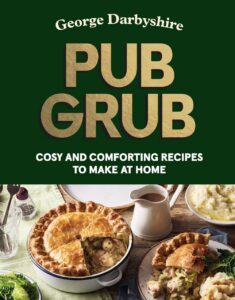
George Darbyshire
A home cook from Buxton, Derbyshire. He’s the creator of the Pub Grub online recipe series and the Eat In The Park festival. His cookbook, Pub Grub, is available to buy now.