









The Midlands is rich in green spaces shaped by centuries of history, yet many of its most rewarding places remain quietly tucked away from the crowds. Beyond the region’s well-known country parks and stately homes lie secret gardens, restored Victorian parks and wildlife-rich meadows that invite slower exploration. These spaces reflect layers of local heritage – from Capability Brown landscapes and Edwardian gardens to community-led restoration projects that continue to evolve today. Whether you’re seeking a moment of calm in a city setting or a peaceful walk framed by trees, wildflowers and water, the Midlands offers hidden gems that reward curiosity. Look a little closer and you’ll find places where nature, history and everyday life intersect in unexpectedly beautiful ways.
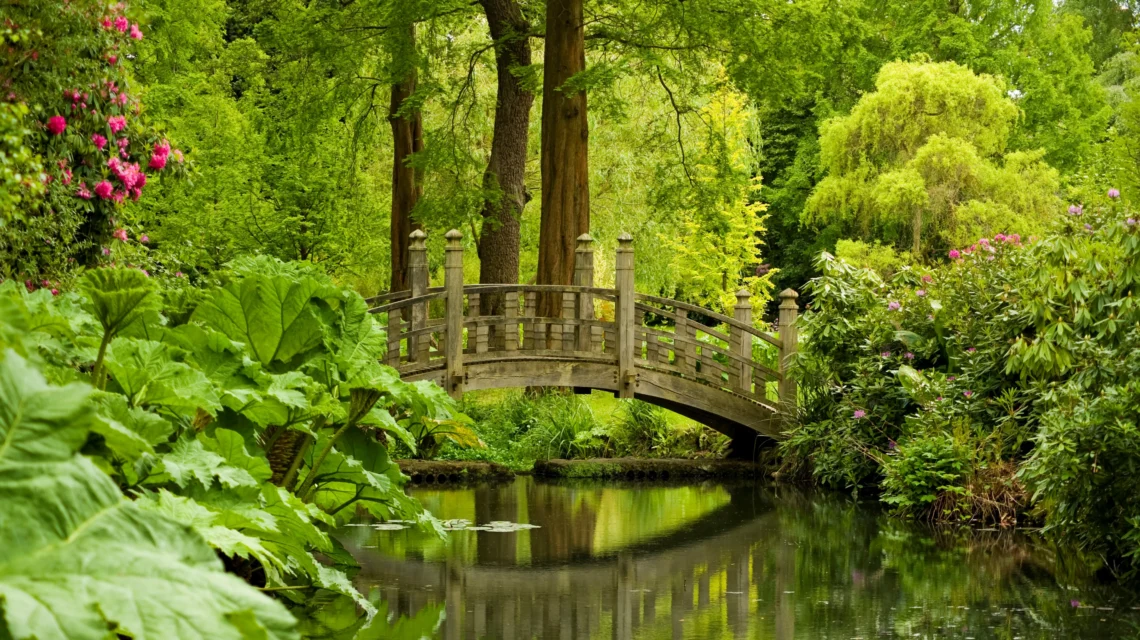
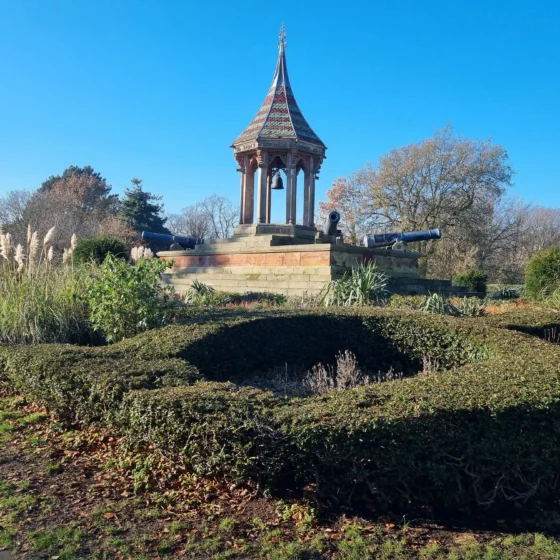
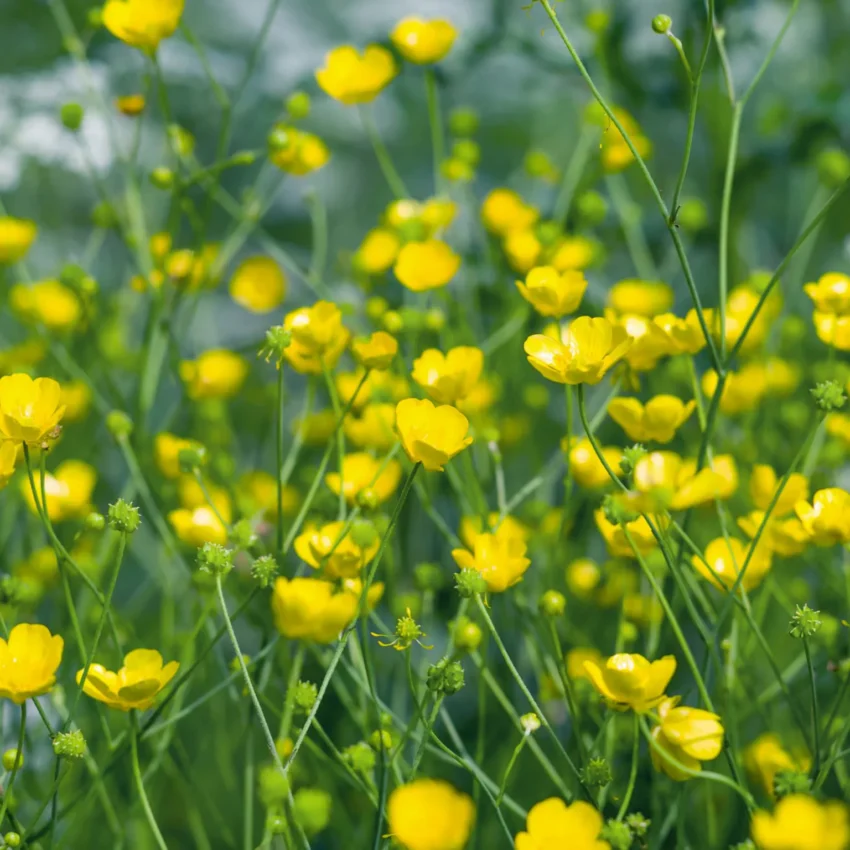

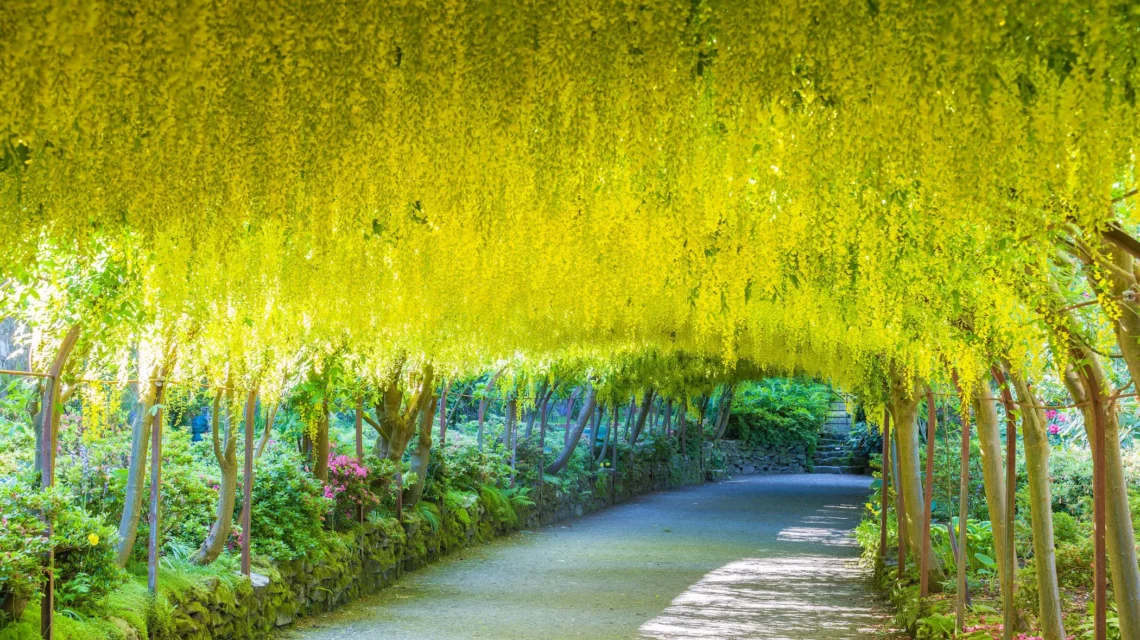
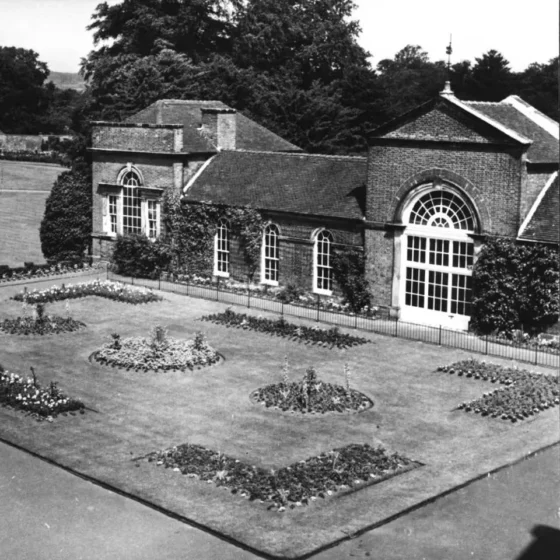
Now the University of Birmingham’s botanic garden, this serene, beautifully maintained Edwardian space offers peaceful walks, rare plants and hidden corners, as well as an enticing tearoom, making it a tranquil escape from the city bustle. Built in 1903 for John and Margaret Nettlefold, Winterbourne is a rare surviving example of an early 20th century suburban villa and garden. The house and garden are open daily, from 10.30am to 4pm until the end of February, and 10.30am to 5pm from March.
Nestled within the historic Abbey Park, Leicester, and often overlooked by visitors to the larger park, this walled garden offers colourful blooms, quiet benches, and a sense of calm. Opened in 1882, Abbey Park is a Grade II listed site of historic interest, holding the Abbey Grounds and scheduled ruins of St Mary’s Abbey and Cavendish House, along with listed lodges and a tree-lined riverside walk. Designed by leading Victorian designer William Barron, the park is little altered from its original design.
Coombe Abbey Park’s Wildflower Meadows
Beyond the main tourist spots, the wildflower meadows and woodland paths of Coombe Abbey Park in Coventry offer quiet, nature-filled walks, ideal for reflection and wildlife spotting. The award-winning wider park offers 500 acres of beautiful gardens, woodland, lakeside walks and bird-watching, perfect for families, picnickers and wildlife enthusiasts. The park was designed by Lancelot ‘Capability’ Brown in 1771 and includes the Coombe Pool Site of Special Scientific Interest, a 36-hectare pool home to herons, overwintering fowl, tufted ducks, shovelers (a county rarity), water rails and kingfishers.
Dartmouth Park’s Formal Gardens
Dartmouth Park features hidden formal and sensory gardens, with ornamental ponds and peaceful spaces tucked away from the busier play areas and sports fields. There is a wide range of attractions and activities for all visitors at the Grade II listed park, including gym equipment and a community Pavilion with viewing tower. Located next to West Bromwich Town Centre and Sandwell Valley Country Park, the park is currently undergoing a £6 million restoration project, supported by the Heritage Lottery Fund and BIG Lottery.
A historic Victorian park in the heart of Nottingham, the Arboretum is filled with mature trees, flower gardens, and winding paths – perfect for a quiet, reflective stroll. Opened in 1852, the Green Flag award-winning park is Nottingham’s oldest public park. Kids will love the on-site aviaries, featuring numerous colourful bird species. Download the Arboretum Tree Trail and Orienteering Maps to enhance your visit and give yourself a challenge. The Arboretum is supported by an active friends’ group who organise activities including bulb planting, fundraising events and heritage and tree walks.
Often missed by the crowds, this restored walled garden within Markeaton Park, Derby, offers colourful borders, calm seating areas, and a haven for butterflies and bees. The park can be traced back to the medieval period, and retains many features that mark its history, including ancient veteran trees, historic lost roads, old arable field patterns and the remains of a Second World War army camp. It hosts many family-friendly events, including pop-up theatre shows and outdoor cinema screenings – the next is due to take place on 4th July 2026.