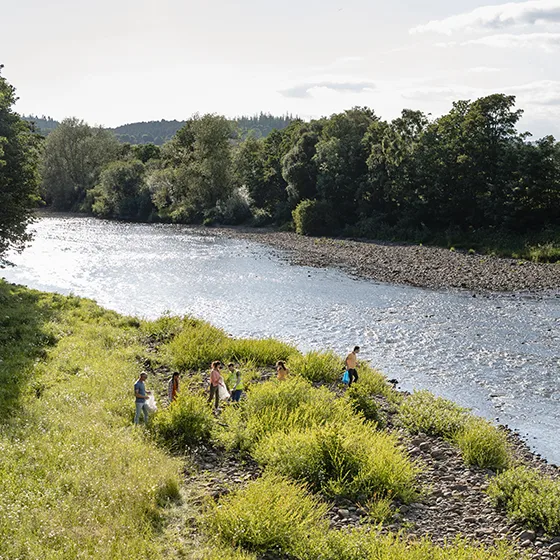











The South East and Anglia may be best known for their headline attractions — famous coastlines, historic cities and well-trodden parks – but some of their most rewarding green spaces lie quietly off the beaten track. Tucked behind housing estates, hidden beyond shingle shores or protected by determined local communities, these lesser-known places offer a slower, more intimate way to experience nature. From ancient meadows rich in wildlife to village greens saved from development, these spaces tell stories of both landscape and people. They’re ideal for anyone craving calm without crowds, or looking to reconnect with nature in a way that feels that bit more personal. Whether you’re drawn to wildflowers, rare insects or simply a peaceful place to wander, these hidden gems reveal a softer, more surprising side of the South East and Anglia.

Four Acres Green is a popular village green in West Malling, Kent, originally set aside as a play area when the adjacent council estate was built in the 1960s. In 2013, residents clubbed together to save the land from building development by providing evidence that they had used the area for informal recreation, including dog-walking, ball games and building snowmen, for at least 20 years. David Thornewell, the Open Spaces Society’s local correspondent, also encouraged East Malling and Larkfield Parish Council to register nearby Willow Road Green, a lovely space overlooking Castle Lake, to give it permanent protection.
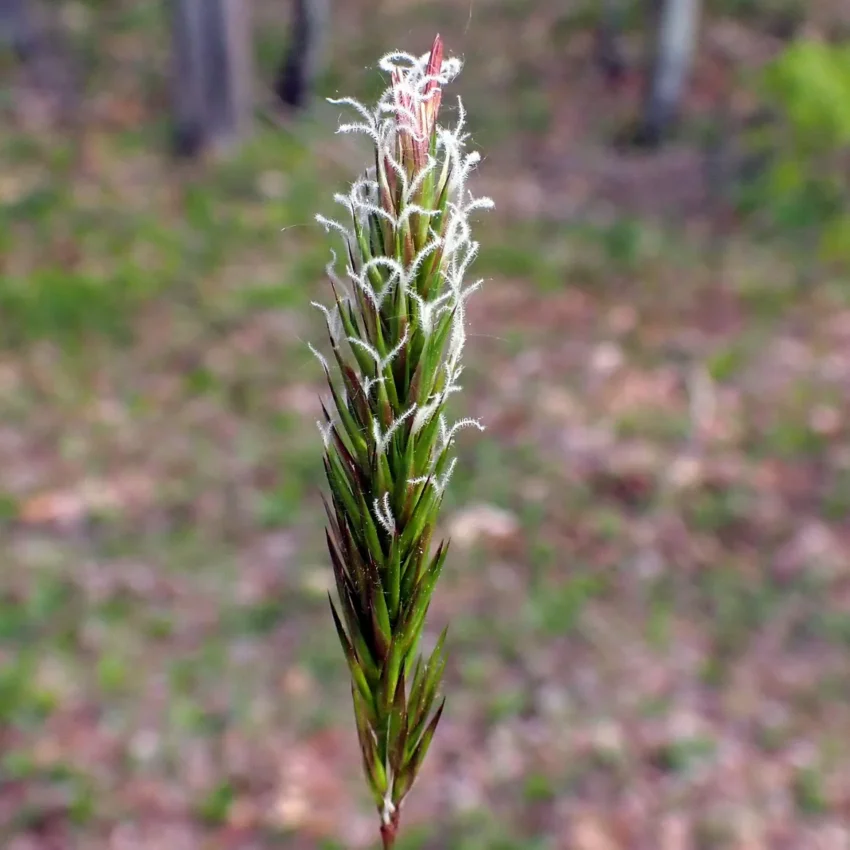
Despite the unappealing name, Ratlake Meadows in Hampshire is well worth a visit. This 4.2 hectare (10 acre) area north of Chandler’s Ford is a Site of Special Scientific Interest. Records of it date back to the 16th century. Its unimproved meadows are made up of sweet vernal grass, heath grass, tufted hair grass and Yorkshire fog, along with a rich variety of herbs. The meadows are home to the rare bush cricket and long-winged conehead, and the soil is made of London Clay. Take a stroll through the grass and see what you can find.
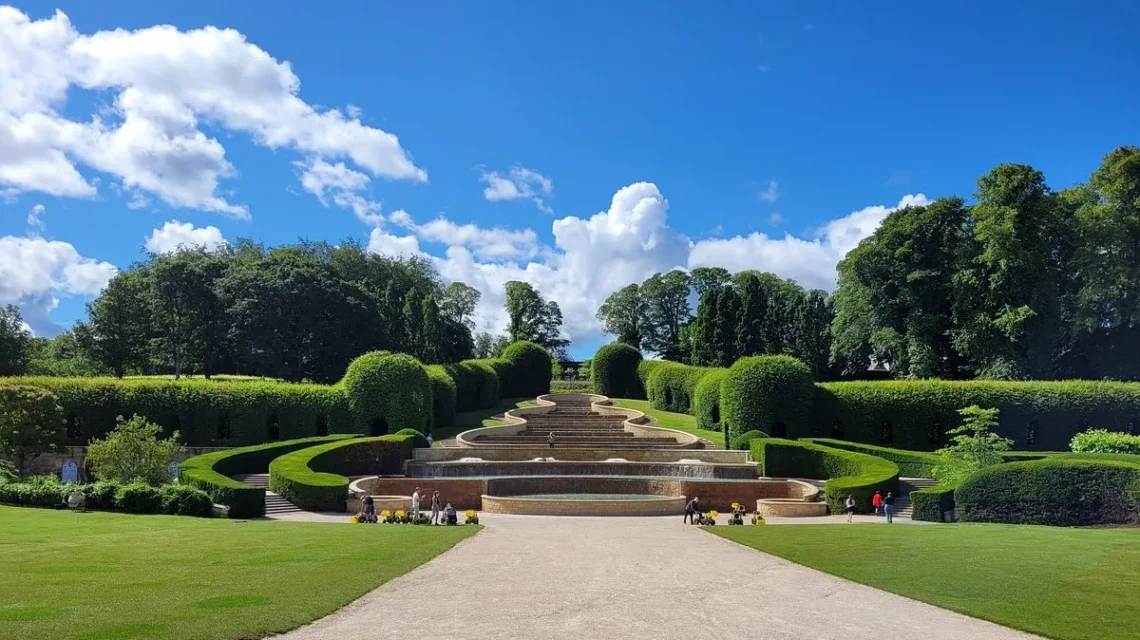
Home to the world’s largest wooden treehouse, the Alnwick Garden is worth seeing for that alone. But if the treehouse doesn’t impress you, perhaps the garden of poisonous plants will. Still not enough? Try the bamboo labyrinth or rose garden. Complete your day with a bite to eat at the Treehouse Restaurant or the Pavilion Cafe and Bakery. The Garden reopens on Wednesday 11th February 2026. Visit between 10am and 4pm Wednesday to Sunday until 26th March (Monday to Sunday during half term) and 10am to 5pm every day from Friday 27th March.
Set back from the sea, Dungeness Nature Reserve offers mile after mile of open shingle, freshwater pits, wet grassland and stunning wildflower meadows. The team here looks after the grasslands to ensure good breeding conditions for birds such as hobbies, lapwings, redshanks and garganeys, as well as two rare bumblebee species. It’s open from 9am to 4pm daily, but early birds can join a Dawn Chorus and Guided Walk from 4.30am on Saturday 11th, 19th and 25th April or Sunday 3rd May.
Botley Wood Local Nature Reserve
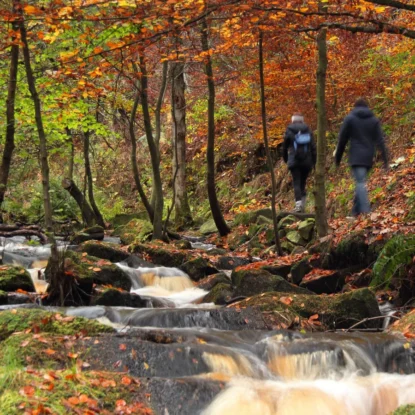
Known as a site of exceptional importance to local wildlife, Botley Wood Local Nature Reserve’s extensive woodland, scrub and grassland is home to many scare species of plant and an array of insects, including rare butterflies such as the Purple Emperor. This beautiful 108-hectare site in South Hampshire is a great spot for bird watching, dog walking, picnicking and generally getting away from it all. Or why not volunteer with Hampshire Countryside Service to get involved with wildlife surveying or conservation activities?