









Location Catalonia, Spain
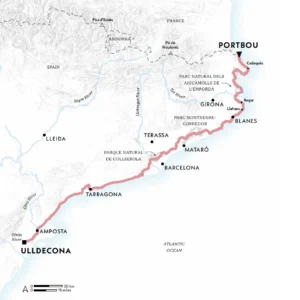
Start Portbou
Finish Ulldecona
Distance 571km (355 miles)
Duration 25-31 days
Challenge Level 2/5
When to Walk September-June
Info turismeamposta.cat
Wend your way from the French border along the Mediterranean coast, sampling the distinctive flavours of this singular and spectacular Spanish region
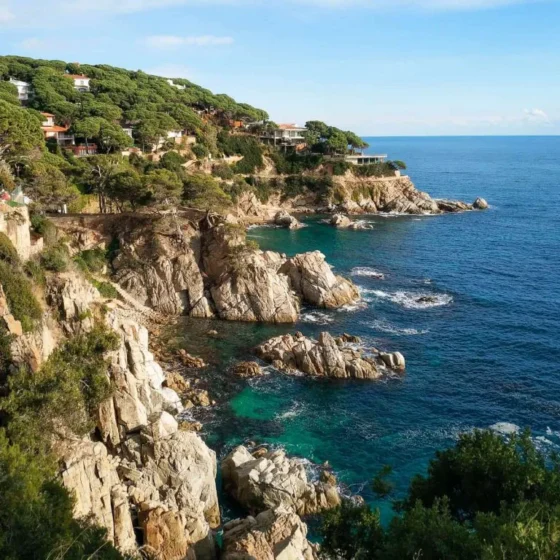
Catalonia does things differently. It speaks its own language, cooks its own dishes, flies its own flag, practises its own traditions. It does tourism differently, too. Sure, Barcelona is besieged by tourists but, outside this overloved city, this autonomous community isn’t as heavily visited or developed as many other parts of Spain. Even the coast is surprisingly unspoilt, in the main – especially the far north. Here, instead of high-rise hotels and identikit cafes serving British-style fried breakfasts, you’ll find pine-clad foothills rolling down to quiet coves, traditional fishing villages, seafood restaurants and family-run guesthouses.
The Sendero del Mediterráneo Cataluña runs the length of the region and, in doing so, reveals both its independent-minded character and its estimable good looks. This relatively long trail is only one section of the GR92, an ambitious project to carve a continuous walking route from Tarifa, at the southernmost pointof the Iberian Peninsula, all the way to Portbou, where Spain meets France. And even that’s part of a much bigger picture: the full GR92 will ultimately become part of the European Hiking Federation’s mammoth E10 long-distance path, which aims to finish in northern Finland. For now, though, be content with walking the Catalonian chunk.
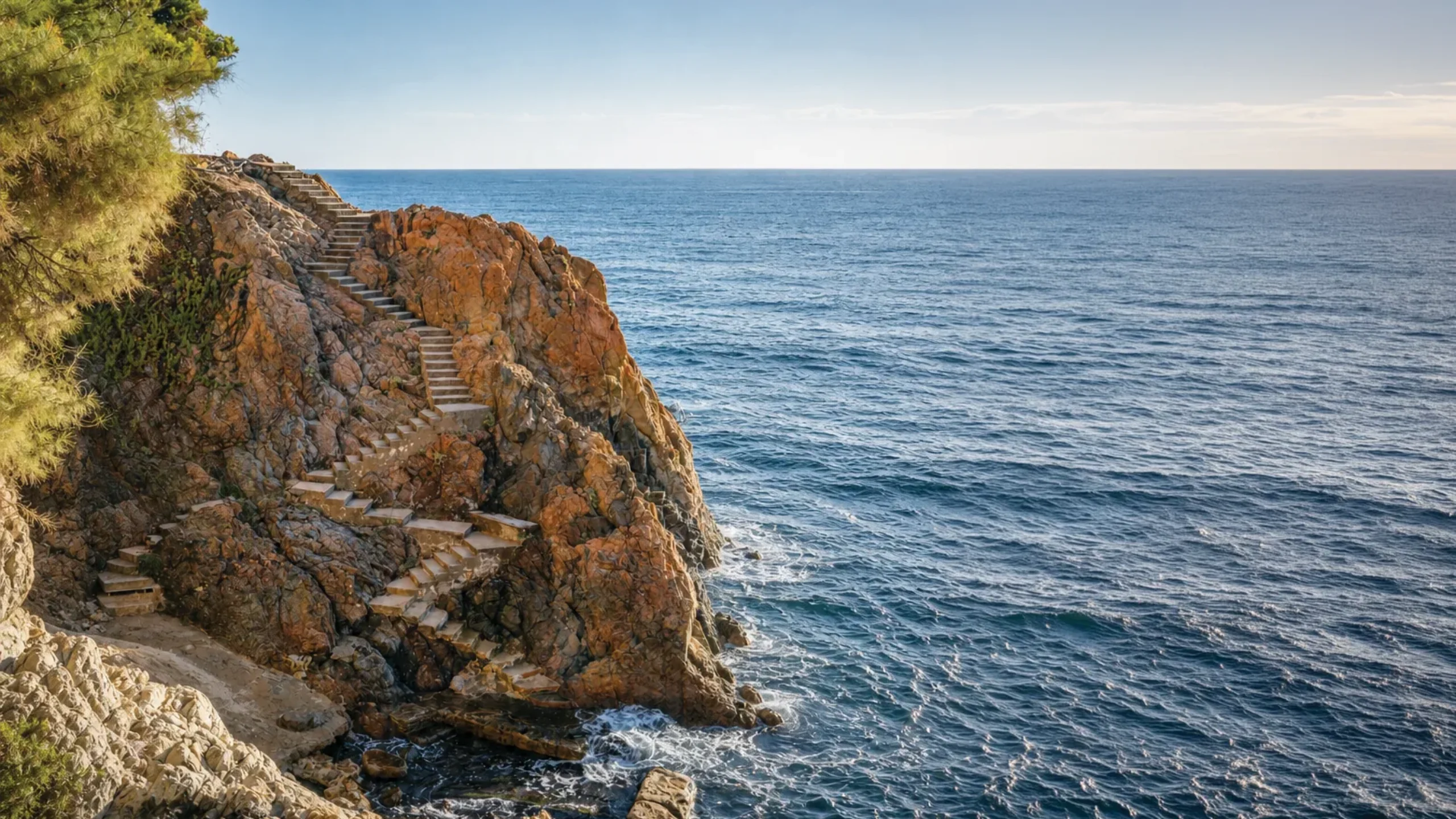
It’s certainly a fine hike. Divided into 31 stages, the trail begins in Portbou and ends on the Olivar Bridge across the Sénia River, the natural border between Catalonia and Valencia. You’ll largely stay close to the sea, skirting glorious golden beaches and tempting bays. The stretch from Portbou to the ancient town of Blanes (roughly stages 1–12) is the renowned Costa Brava – ‘Wild Coast’ – encompassing some of the trail’s finest sections.
Nature and coastal wonders
On Stage 2 you’ll follow the old Camí de Ronda coastguard path, passing through the rugged, herb-scented Parc Natural del Cap de Creus to reach the beautiful sweeping bay and whitewashed houses of Cadaqués. On Stage 8, you’ll trace the Palafrugell Coast, studded with idyllic, clear-water coves and charming fishing villages such as Llafranc and Tamariu.
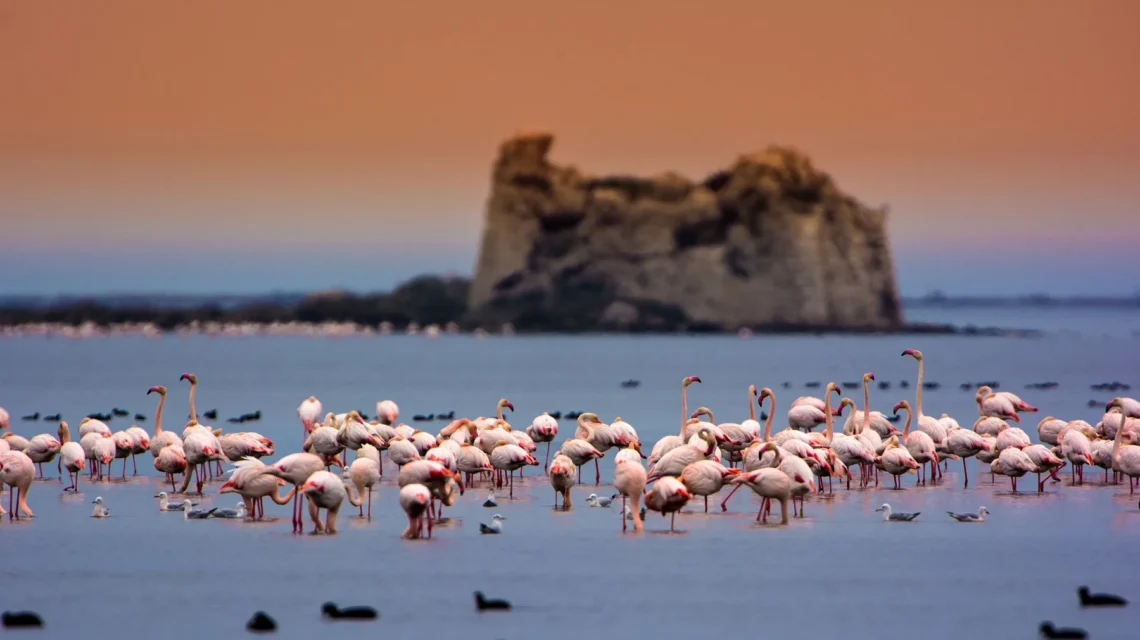
The trail also veers off to explore the fascinating hinterland. So you’ll discover the wetlands of Parc Natural dels Aiguamolls de l’Empordà, where you might spot flamingos, storks and an array of other birds; the rugged massifs of Montgrí and Cadiretes; the pine- and holm-oak-cloaked Parc Montnegre-Corredor; Parc Natural de Collserola, with its fine views over Barcelona; the limestone hills of the Garraf Massif; the Ebro Delta’s bird- rich wetlands. You’ll also encounter impressive settlements: the Old Town, towers and ramparts of Tossa de Mar; medieval, mountain-hugged Begur; and UNESCO-listed Tarragona, with its wealth of Roman sites.
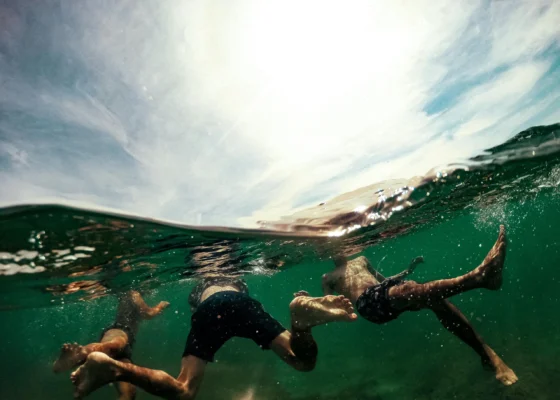
Most tourists come to this coast in summer, but walkers should opt for the cooler spring/autumn months or even winter. This season is pleasantly mild and sunny here, with coastal temperatures in December hovering at 10°C–15°C (50°F–59°F); the sea (around 14°C/57°F) will appeal to colder-water swimmers. Prices are lower, too, and best of all it’s sublimely quiet – you might find your footprints are the only ones on the beach.

Get involved
Extract taken from Lonely Planet’s Where To Go When Hiking, written by Sarah Baxter and Paul Bloomfield. Discover 96 spectacular hiking trails around the world and the best times to explore them in this inspiring month-by-month trip planner.