










 Long before veganism became a modern label, people around the world were cooking plant-based food out of necessity, culture and respect for nature. Filmmaker and recipe creator Julius Fiedler has travelled the world on his mission to unearth traditional, naturally vegan recipes from unexpected corners of the globe. “I always believed that everything we eat affects nature. Animal or plant, it’s all part of a larger cycle,” he explains. “But when I went vegan, I felt lost in a world of ultra-processed foods that weren’t great for nature or my health. I knew that I had to find a natural way to make it work.” The solution was to look back in order to look forward, learning from those who have eaten plant-based all along.
There were some surprises along the way. Take Turkey. “Along the Aegean coast, you’ll find Zeytinyağlılar, an entire category of veg-based dishes cooked with olive oil instead of animal fat,” Julius shares. “This is the kind of food locals eat and share with pride, but that rarely travels beyond the Turkish borders, so not many know about it.”
“The biggest misconception about vegan food is that it is a modern concept,” he adds. “What we forget is that each and every one of us is eating vegan foods all the time, and we have been eating them for thousands of years.” Another misconception is that vegan food is too expensive. “But most traditionally vegan food is incredibly affordable, because that’s how it came into existence,” Julius counters.
I always believed that everything we eat affects nature. Animal or plant, it’s all part of a larger cycle.
Look to cucina povera (literally “the cooking of the poor”), an entire category of Italian dishes that originated from the need to create something substantial from very little. “Peasants would gather the leftovers from the banquets of the rich and then turn scraps of bread, vegetables and legumes into a hearty stew that we now know as Ribollita,” Julius explains.
Cost aside, two key factors have guided the evolution of plant-based cooking: religion and nature. Let’s start with religion: since the dawn of Hinduism some 3,000 years ago, devotees have followed the guiding principle of “ahimsa”, which translates to “do no harm” and applies to all living creatures. “When I attended a Hindu wedding in Kerala, the menu was entirely vegetarian, and nearly half of it happened to be vegan,” Julius says. “Many popular dishes such as Idli, Sambar and Pani Puri have always been plant-based.”
And nature? “These dishes are not just the product of culinary curiosity,” Julius insists. “They emerged out of a functioning symbiosis between nature and human – both supporting each other. Legumes, for instance, act as a natural fertiliser for the soil, and a source of protein and fibre for us. The rapid loss of biodiversity we face today is one of the many signs that that symbiosis is broken. Bringing these dishes back into our diet might show us one of the paths to fixing it.”
“But make no mistake – these foods have only stood the test of time because they tick the most important box, which is flavour,” says Julius. One plant-based dish everyone should try? Vada Pav – an iconic Mumbai street food that started life as an affordable snack for the city’s textile workers in the 1960s. A spiced potato fritter topped with three kinds of chutney and crispy chickpea batter, all tucked inside a soft bread bun, it’s “a sensation of flavours and textures in one bite,” he says. “It shows how exciting vegan food can be.”
Get involved
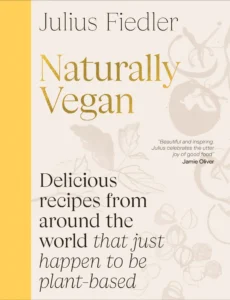
Originally from Germany, Julius Fiedler is a filmmaker, recipe creator and the author of Naturally Vegan: Delicious recipes from around the world that happen to be plant-based.