









 Losing weight is one challenge; keeping it off can be considerably harder. After weight loss, changes in appetite and energy expenditure can encourage the body to regain lost weight – a biological response that can make relying on willpower and calorie restriction increasingly difficult.
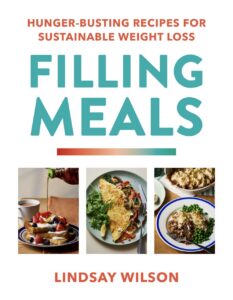
The answer, according to the creator of Filling Meals, is to focus less on eating as little as possible and more on controlling hunger. His “fill up to slim down” approach prioritises water, protein, fibre, vitamins and minerals to increase satiety, reduce snacking and make a lower-calorie diet easier to sustain.
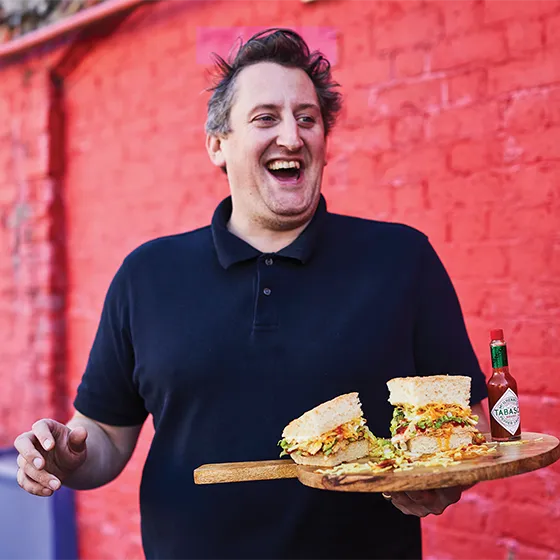
Drawing on a background in professional football and sports nutrition – as well as his own experience of gaining 25kg after retiring and subsequently losing 27kg – he explains why sustainable weight loss starts with learning how to stay full.
The weight-loss industry is good at helping people lose weight, but bad at helping them keep it off. How does Filling Meals directly challenge that cycle?
After you lose weight, your brain senses the decline in energy stores and fights to regain the weight through reducing energy expenditure and increasing hunger. This is called the ‘energy gap’. Rising hunger is the big driver of weight regain, particularly when in the context of the hyperpalatable food environment we live in today. Filling Meals aims to permanently increase the satiety of your diet and thus fix the hunger that drives weight regain.
You say most diets fail because they ignore hunger. What does the science of satiety tell us that calorie-counting diets consistently get wrong?
Calorie counting can work great for lots of people, after all caloric restriction is required for weight loss. But the most common way it fails people is that when they focus on cutting calories, they end up cutting down on the nutrients required to control hunger. So, they don’t eat enough water, protein, fibre, minerals and vitamins. That’s the big mistake. When you starve yourself using will power, you set yourself up to fail.
Your mantra is ‘fill up to slim down’. What do people misunderstand most about eating more to lose weight?
There is very good evidence that the hungrier you are during weight loss, the more likely you are to regain the weight. So, a lot of people glorify the struggle of restricting calories and the tolerating of hunger. But that is fighting your own brain. When I say ‘eating more’ I’m talking about more nutrients, which then results in eating fewer calories. You know it’s working when your desire to snack evaporates.
The goal isn’t eating less food it’s eating more of the right food so you naturally eat less overall
Your approach also focuses on hyper-satiating breakfasts and lunches, followed by a normal dinner – why is front-loading fullness earlier in the day so important for long-term success?
It’s basically about hormones. Kind of like a short-lived version of the new weight loss drugs. When you eat enough water, protein, fibre and minerals your hunger and satiety hormones respond in a way that means you are far less hungry later in the day. It presents like you have more self-control, but you’re really just lest hungry. Clients often talk about it like the food noise going away.
You describe Filling Meals as ‘the opposite of junk food’. What makes ultra-processed, calorie-dense food so ineffective for appetite control, even when calories are low?
Hyperpalatable food is energy dense, low in protein, low in fibre and the perfect mix of ingredients like oil, flour, sugar and salt. It’s driving your brain to eat more calories. Doritos are the iconic example. Very hard to stop after a couple of chips. These are foods that never existed in nature
How did your background in professional football and sports nutrition shape the way you think about hunger, performance and recovery?
My first exposure to sports nutrition was very anti fat, because it was largely focused on the performance benefits of carbs and protein. When I started learning about the hormonal benefits of eating healthy fats, it made me highly sceptical of all fear-based nutrition. So, whether I’m working with an athlete or someone needing to lose 50kg, I always try to focus on positive nutrition. That’s why all my satiety metrics are positive. You won’t me fear mongering about fat, carbs, sugar, seed oils. Fear based nutrition is a slippery slope.
You gained 25kg after retiring from football and lost 27kg in 10 months without extreme restriction. What did that experience teach you about psychology and behaviour change, not just food?
I’m a big student of behaviour change, and all roads lead to simplicity. You want to actively try to make your plan as simple as possible to implement so that you aren’t reliant on motivation. Motivation fades, but systems stick.
Many diets damage people’s relationship with food. How does Filling Meals avoid guilt, restriction and the ‘on/off’ mentality that derails long-term weight loss?
Filling Meals completely avoids negative nutrition. In particularly all the fear mongering around fats and carbs. We focus on being full, which is about addition. More water, protein, fibre, minerals and vitamins.
If readers only change one thing after reading this book, what habit or mindset shift would have the biggest impact on keeping weight off for life?
Please give up on short term diets, they are silly. Fucus instead on long term skills. The big one for me is making your first meal of the day filling. That’s they secret!
Lindsay Wilson
A former professional footballer and sports nutrition expert, Lindsay Wilson is the creator of Filling Meals, an approach to weight management built around improving satiety rather than simply restricting calories. After gaining 25kg following his retirement from football, he lost 27kg in 10 months. His work now focuses on hunger, positive nutrition and simple, sustainable behaviour change.