









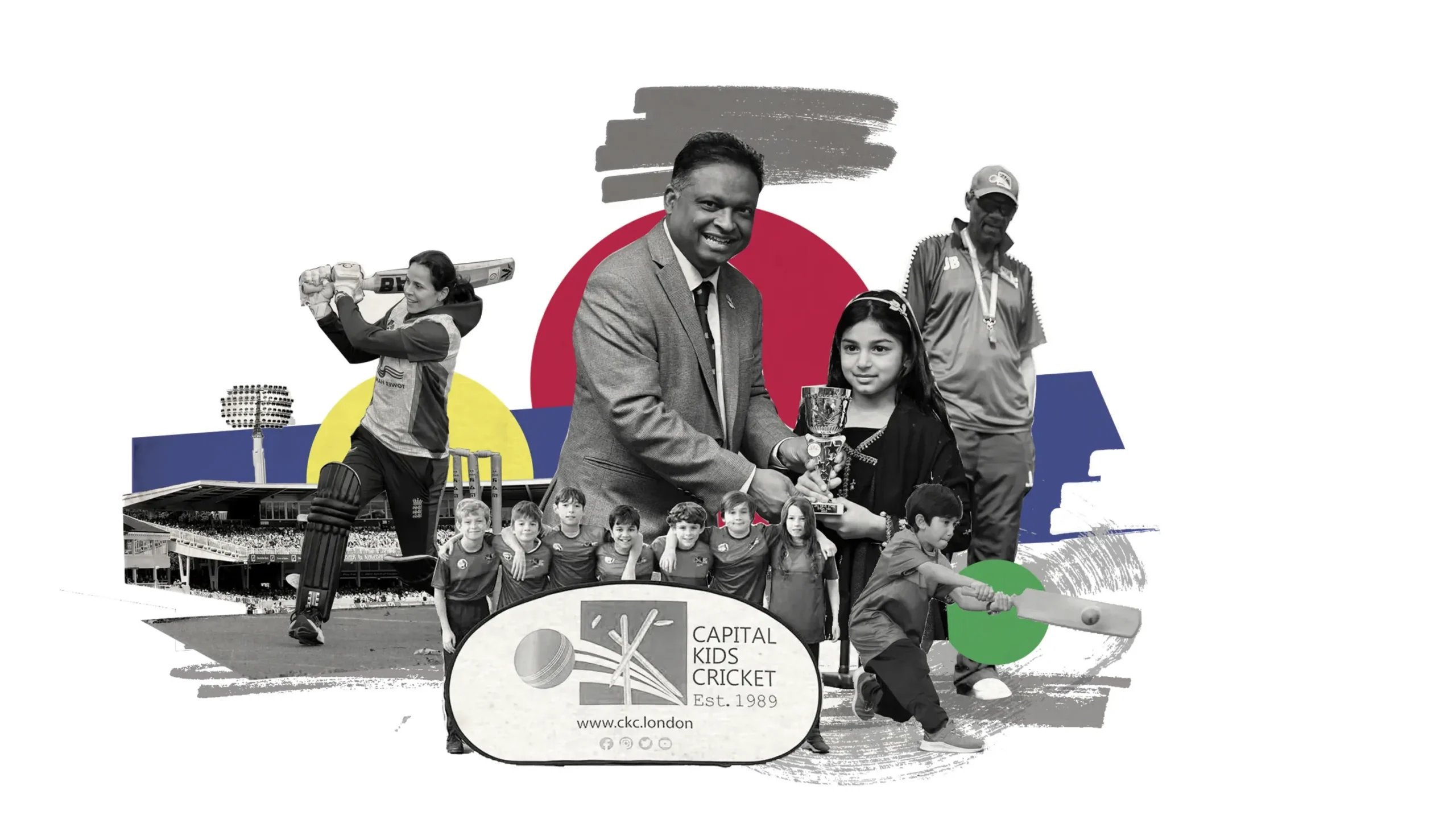
 an power isn’t always about protest marches or making headlines. Sometimes it’s as simple as a volunteer selling programmes in the rain, or a cricket coach turning up to a collapsing inner-city club with a plan. Capital Kids Cricket CEO Shahidul Alam Ratan provides some tips and steps and start your own fan-based organisation (INSERT LINK) and here he shares some more sound advice.
How did Capital Kids Cricket begin?
It was set up in 1989 for a need: inner city state school cricket was dying. Two cricket-fanatic Yorkshiremen in a pub said, let’s do something. They got some money, assigned one or two coaches, and set up a six-week programme in state schools during curriculum time, with links to local clubs. That was the start. I joined in 2008 and became CEO in 2015. We’re now a medium-sized charity that has been a pioneer in a number of programmes that have since grown well beyond us, like the Chance to Shine programme.
How do you help struggling clubs?
Without clubs there is no community. Roughly speaking, in inner cities you might get 20% of clubs that are running well, but 80% are struggling. They are park clubs with no home ground, hiring council facilities, fighting for volunteers, coaches, and outreach. The Clubs in Need programme is about capacity building, helping those clubs structure themselves, understand what funding is available to them, and how to access it. You need a club constitution, a bank account, a safeguarding policy. It is not that hard, but if no one shows you, it doesn’t happen. Once you have that foundation, you can pay for coaches, venue hire, and kit.
What are the biggest barriers facing inner-city cricket clubs?
The demographics we work in are deprived areas of London. Around 38% of recreational cricket is played by the British Asian community. Often the parents are working-class with more than two or three children. They have a passion for the game, but they cannot always give their time, and there is a lot of socioeconomic complexity. The logistical challenges are also significant. In Tower Hamlets, for example, the training ground is in Victoria Park: around 20 minutes by bus, then a ten-minute walk. If you’ve got 12 or 14 children and only one or two adults, that becomes a safeguarding issue.
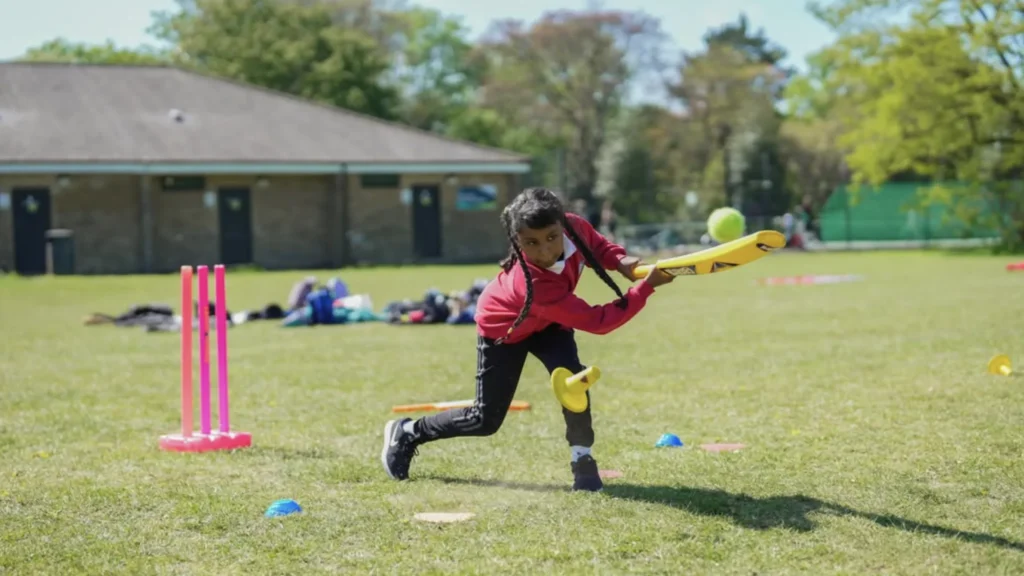
There will be investment for the grassroots too, but the big question is how it gets there
What are your success stories?
We’ve become a breeding ground for coaches. Around 30 young people from inner-city London who’ve come through Capital Kids Cricket have gone on to work in cricket as full-time coaches and development officers, including for county boards including Middlesex, Kent and Surrey. In 2022, Tanvir Ahamed, a young man we mentored who started on our West Ham programme as a teenager, was named ECB National Coach of the Year. We also run the Williams Trophy, now in its 18th year, across 17 boroughs. It is a mixed-gender competition – four girls and four boys must play in every team – and the grand final is held at Lord’s. It’s inspirational for the young kids to be at Lord’s.
How has the funding climate changed?
There is a lot of money in cricket now with The Hundred, but much of it is going to the 18 counties and MCC for capital investment in their infrastructure. There will be investment for the grassroots too, but the big question is how it gets there. As a charity we are always applying for grants, and we struggle to access funding specifically for cricket development. Funders want to give money for health and wellbeing activities. We use cricket as a tool to use those funds, but there are many, many organisations and clubs smaller than us that really need support. There are too many consultations. I hate that word. People do consultation after consultation and spend so much money on it. But you know what is required, just go and do it.
How can governing bodies and funders help further?
You don’t need to give £10,000 in one go. Instead, give clubs small things to build up their capacity, and then gradually build that. I am very passionate about this because, as a former Bangladesh national coach, I have seen the high performance end of cricket, how the elite system works. I’m now at the grassroots level, where there is almost nothing. I have been through that journey myself, and I am lucky to be in this space. England is a very fortunate country, but the struggle at grassroots level should not look the way it does. There are lots of people talking about sport being key to health and wellbeing, but there needs to be more support.

Capital Kids Cricket has been fighting an urgent battle since 1989, when inner-city state school cricket was dying on its feet and two cricket-mad Yorkshiremen decided to do something about it. Over three decades later, CEO Shahidul Alam Ratan – a former Bangladesh national coach who joined in 2008 – is still doing something about it, supporting collapsing grassroots clubs through their Clubs in Need programme and fighting to keep cricket alive in communities that love the game but lack the infrastructure to sustain it.