






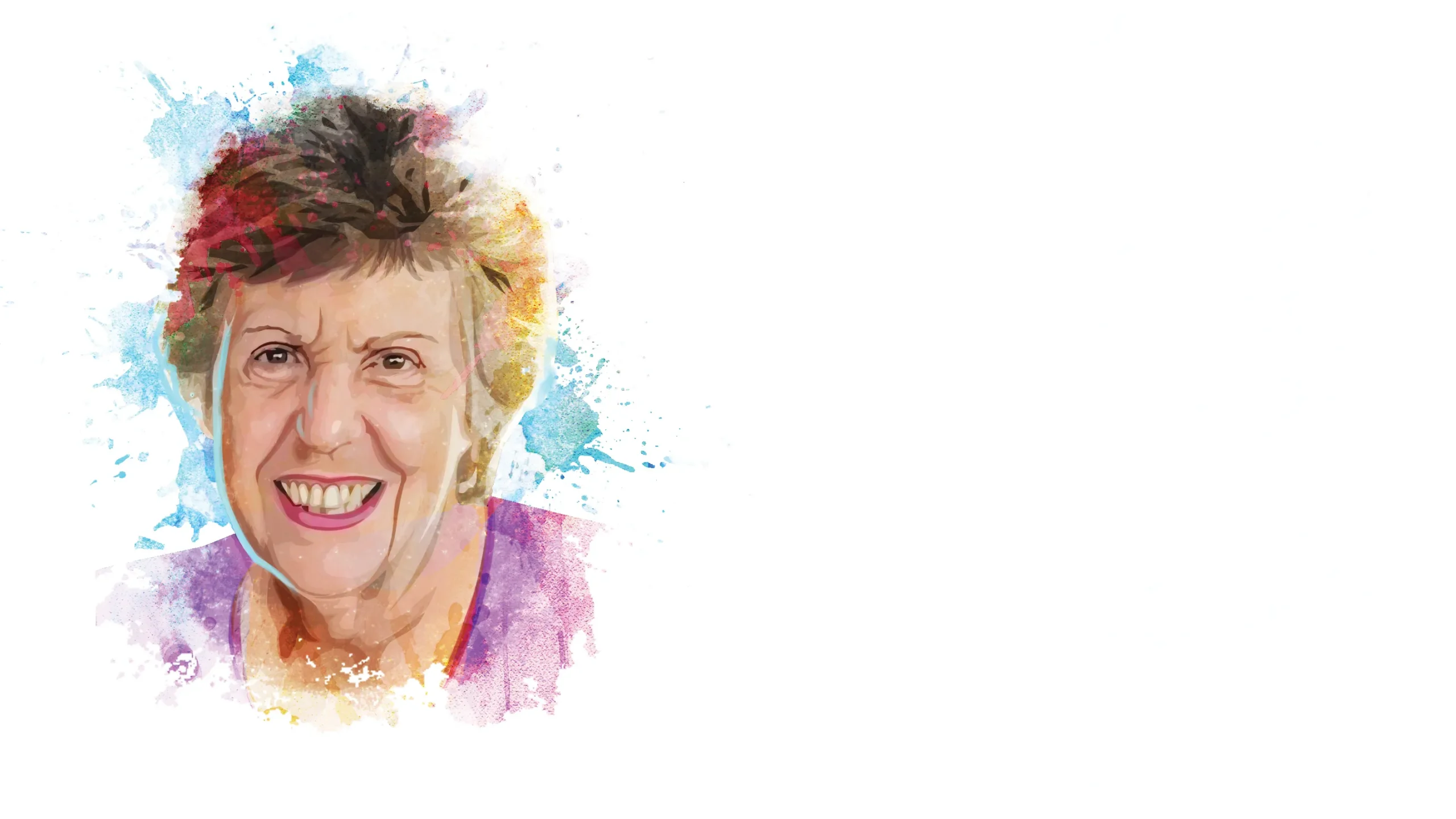
Jasmine Flatters MBE has never done things by halves. For more than three decades, sh has been one of the most influential figures in British triathlon – not as an athlete, but as a volunteer, organiser, leader and advocate for the sport at every level. Her journey began long before triathlon entered the mainstream, fuelled by a love of teamwork, community and simply getting stuck in. From running clubs and school PTAs to marshalling races and organising volunteers, Flatters’ commitment grew alongside the sport itself. She went on to become Race Director, Age-Group Team Manager, International Technical Official, British Triathlon Board Chair and a key figure in delivering the London 2012 Olympic triathlon events.
Awarded an MBE for services to triathlon, Flatters remains passionately focused on grassroots sport, believing volunteers are the backbone of participation, progress and the future of the sport she helped build.
What drew you into volunteering initially – and what made you stay involved for the long haul?
My volunteering journey started long before triathlon. I think volunteering must be in my blood. Straight out of school, in my first job, I set up a Sports and Social Society and organised quiz nights and games evenings, and I also trained as the company First Aider.
I met my husband, Mick, at work. He played cricket for the company team and I’d go along to support him, but I couldn’t help getting involved myself – becoming the official scorer, drawing all those little dots in the big red book (who remembers that?) and helping make the tea and sandwiches.
In the mid-1980s, after our daughter Chloe was born and I had given up work, I got caught up in the running boom. Mick and I joined our local running club, the Datchet Dashers. I wasn’t very fast, but I loved it, competing in 10Ks, cross-country, half marathons and eventually the 1987 London Marathon. The atmosphere was incredible – I loved every step. Soon after joining the Dashers, I became a committee member, then the club’s first-ever Chair, as well as Race Director for the Datchet Dash 10km. Volunteering snowballed from there. I started organising a London Marathon feed station with fellow Dashers – something I still do today, taking 70–100 volunteers to manage the 23-mile drinks station.
When Mick began triathlon in the late 1980s after picking up running injuries, I naturally followed – supporting him, marshalling events, and eventually organising volunteers across entire race series. From there, I moved into race administration, race directing and national and international roles. I stay involved because I don’t do anything by halves. If I commit, I see it through.
What qualities or experiences helped you progress from local events to leadership at national and international level?
I’m dedicated, enthusiastic and a strong communicator. By the late 1990s, I was a familiar face on the UK triathlon scene. At the time, there were no women on the British Triathlon Executive Board, and I was invited to join. I later stood for election and served multiple terms, sitting on Performance and Rules & Technical Committees. Chairing the Board felt like a natural next step. I wanted to improve how meetings were run and felt ready to lead, having lived and breathed the sport for so many years.
Internationally, travelling with age-group teams allowed me to attend ITU Congresses, where women were encouraged to participate. This visibility led to roles on ITU committees and the Executive Board of the European Triathlon Union. I also became the first British female International Technical Official.
Working at London 2012 as Triathlon Services Manager – recruiting and managing 400 Games Makers – was a huge highlight, especially seeing athletes like Alistair and Jonny Brownlee succeed. That journey reinforced how vital volunteers and strong leadership are at every level.
The most committed volunteers are there because they want to be and because they enjoy giving something back
What traits do the most successful and committed volunteers tend to share?
The best volunteers are there because they genuinely want to be. They enjoy giving something back, working with others and being part of a team. They’re self-motivated, reliable and positive, even when things don’t go perfectly.
What did the Datchet Dashers community teach you about teamwork and local engagement?
The Dashers were a brilliant community of runners, friends and volunteers. Many followed me into triathlon and, years later, are still some of my closest friends and supporters. That experience taught me how powerful local engagement can be. Teamwork is everything – and when people feel valued, they’ll support you for life. I’m incredibly proud that so many Dashers still help me at events whenever needed. Being made an Honorary Member of the club meant a great deal.
You helped shape the role of Age-Group Team Manager. What advice would you give someone stepping into that role today?
In the early days, there was no clear rulebook for age-group athletes, so I helped create fair and consistent regulations, working closely with Brian Hinton in Australia. We shared ideas and learned from each other – and many of those principles still apply today. Anyone taking on the role now needs to be a meticulous administrator, an excellent communicator, patient, calm under pressure and ready to expect the unexpected. A good sense of humour is essential. Things will go wrong – how you respond matters most.
What did modernising British Triathlon’s governance involve when you were Chair?
UK Sport required all governing bodies to follow a consistent structure. That meant creating Triathlon England, restructuring finances and changing British Triathlon from an Association into a Federation overseeing the home nations. It involved extensive legal, financial and constitutional work, and crucially, bringing members with us on the journey. It was complex and demanding – but ultimately rewarding.
What role do volunteers play in shaping the sport’s public image and sponsor appeal?
Volunteers are vital ambassadors. There’s still a misconception that triathlon is only for elite, super-fit athletes. Volunteers help show that it’s a fun, inclusive sport for all abilities. By joining committees, supporting events and building relationships with partners and sponsors, volunteers help shape how the sport is perceived and how it grows.
How can the sport encourage more women and people from different backgrounds to volunteer?
We’re already seeing more women volunteering, which is fantastic. As triathlon continues to present itself as accessible and welcoming, people from a wider range of backgrounds will naturally feel more able to get involved.
Top 5 traits that help or make a good volunteer…
Enjoys working as part of a team
Takes instructions well
Good communicator
Meticulous administrator
Has time to spare
Top 5 issues that volunteers struggle with at events
No clear direction
Lack of available time
No support from family
Lack of incentive
Lack of breaks

Awarded an MBE for services to triathlon, Jasmine’s story is proof that volunteering can change not just events – but entire sporting landscapes. Jasmine is on the Member Board Of Trustees at The Brownlee Foundation