

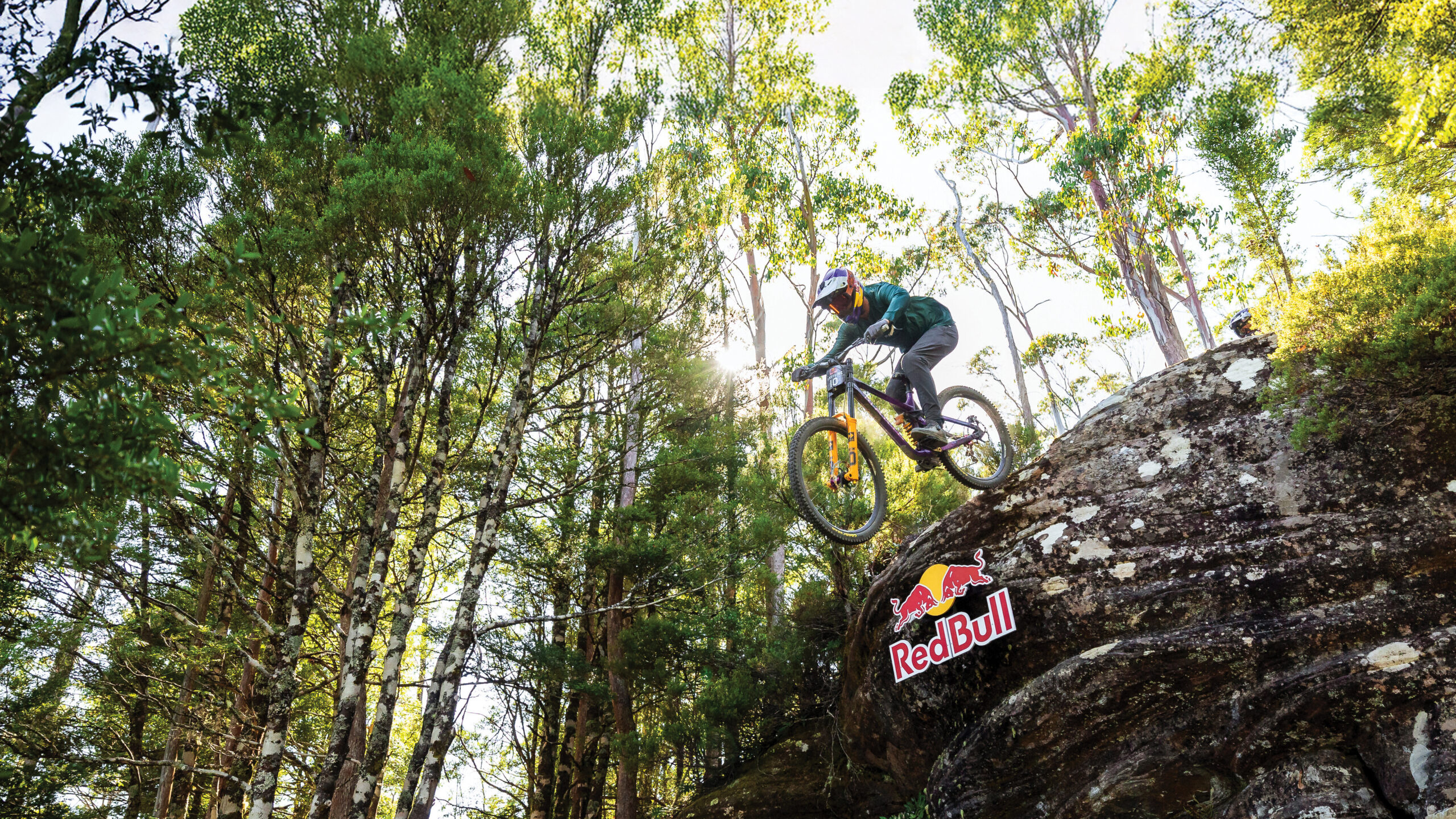
Matt Jones’ entry into the world of freestyle mountain biking was a conventional route. “I grew up just riding bikes in the woods near my house as a hobby – I didn’t even realise mountain biking was a proper sport until I picked up a DVD from Halfords while getting a puncture fixed.”
Having seen what world-class riders could do on their bikes, Jones thought to himself: where do I stack up? “That thought never really left me,” he says. “Since then, I’ve built my career on constantly pushing my own limits.”
Preparation is crucial
Whilst Jones’ stunts can look like they’ve been created out of thin air – whilst he’s often in thin air too – there’s a method to this madness. “I’ve got my own training compound, and when I know a competition’s coming I’ll study the course if photos are released and literally recreate the features at home. I’ll buy the wood, build smaller versions, and start working on the tricks. That physical prep is essential – but the mental side is where things get really intense.”
Jones is also a big believer in visualisation as a psychological tool for performance rehearsal. It’s the kind of tactics sports psychologists just as Steve Peters, author of the Chimp Paradox, advocate. “I’ve trained myself to lie in bed at night and rehearse every movement in my head until I land it – over and over again. I can even visualise what a crash might look like and use that to figure out what’s going wrong.”
“Being young, hungry, foolish is great is an amazing recipe for success – but can also lead to disaster.”
That’s where someone like Steve Peters’ advice rings true. He talks about naming those fears and understanding that it’s your emotional ‘chimp brain’ that panics. Peters also advises practising stressful situations mentally – like bike crashes – so you’re not surprised by emotion when it arises. “I do the same – I put the fear in a box,” says Jones. That move gives him a clear head to perform. “It’s not like I’ve never been scared. Honestly, I’ve been most afraid in the past few years. When you’re young and hungry, you think you’re invincible. But then you make mistakes, and they cost you – six months out here, nine months there. That stuff stays with you. Add a family and a kid into the mix, and the stakes feel even higher.”
Fear, it seems, doesn’t stop Matt Jones. It sharpens his creativity. “Our sport doesn’t have a rulebook. No one tells you what to build or what’s possible. You have to invent it all yourself. That freedom still gets me fired up every day.”
Release the chimp
Steve Peters advises that you recognise that anxiety often comes from your ‘Chimp’ – the emotional, reactive part of your brain. Don’t try to suppress it – instead, acknowledge it, calm it, and offer it reassurance. Name the emotion by saying out loud or journal what your ‘chimp’ is feeling – this helps separate irrational emotion from logic.
Pre-event planning Write down what your Chimp might say before a big event (e.g., “I’m scared I’ll fail”) and prepare calm “Human” replies (e.g., “I’ve trained for this, and I can handle it.”)
The 2-Mind model Use Peters’ “Human vs Chimp” model to reframe stress as a normal response, not a flaw. This builds compassion and resilience.
Stress rehearsal He advises practising stressful situations mentally – so you’re not surprised by emotion when it arises.
Routine To soothe the Chimp, have a repeated warm-up, environment, or mantra to reduce unpredictability, which calms the emotional brain.
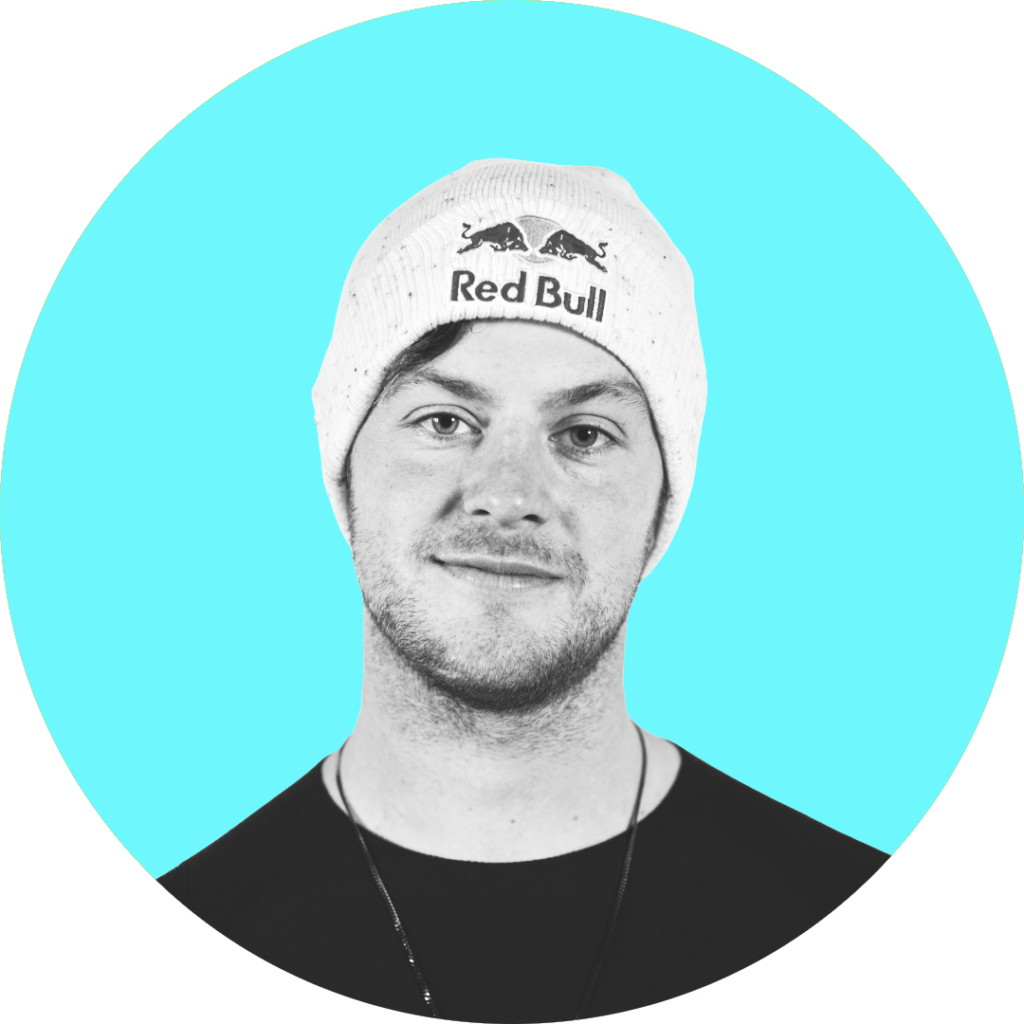
Matt Jones
Matt Jones isn’t just a mountain biker—he’s a full-blown freeride wizard with a huge personality and a knack for sending it bigger and cleaner than most.
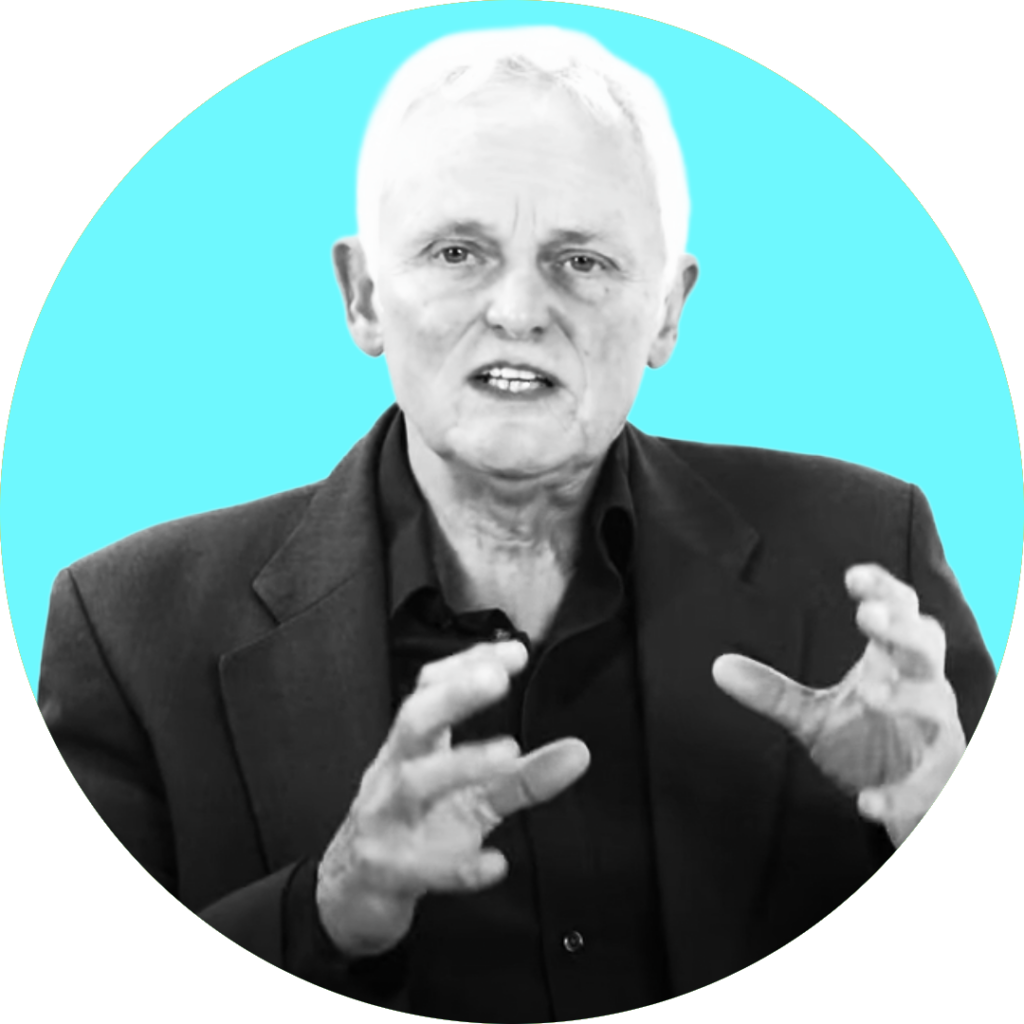
Steve Peters
Professor Peters is a consultant psychiatrist who specialises in the functioning of the human mind. With more than 30 years’ experience in the clinical field of psychiatry. He is also a best-selling author, with more than 2 million copies sold. He has written four books, including the UK’s best-selling self-help book of all time, The Chimp Paradox.