








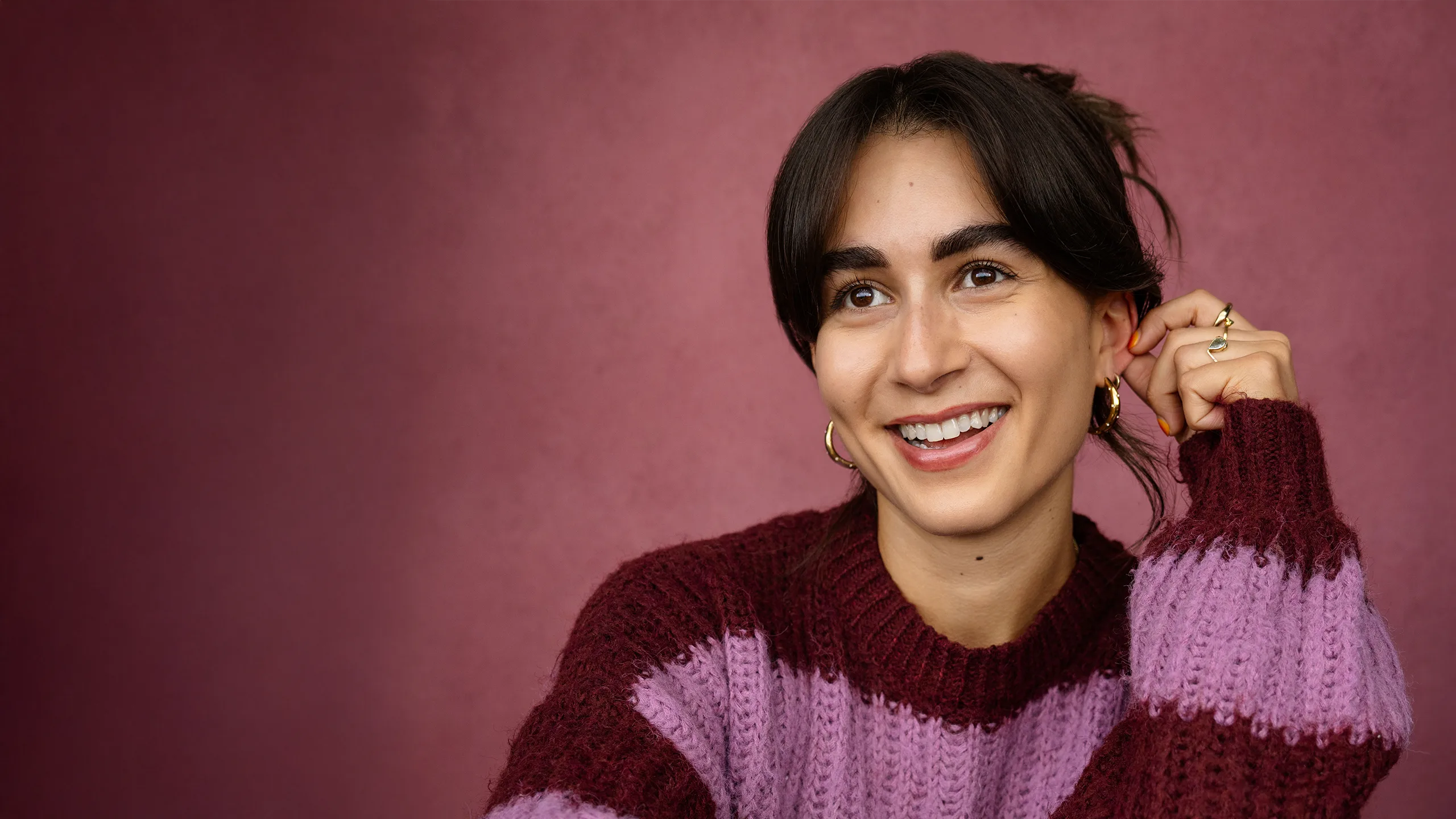
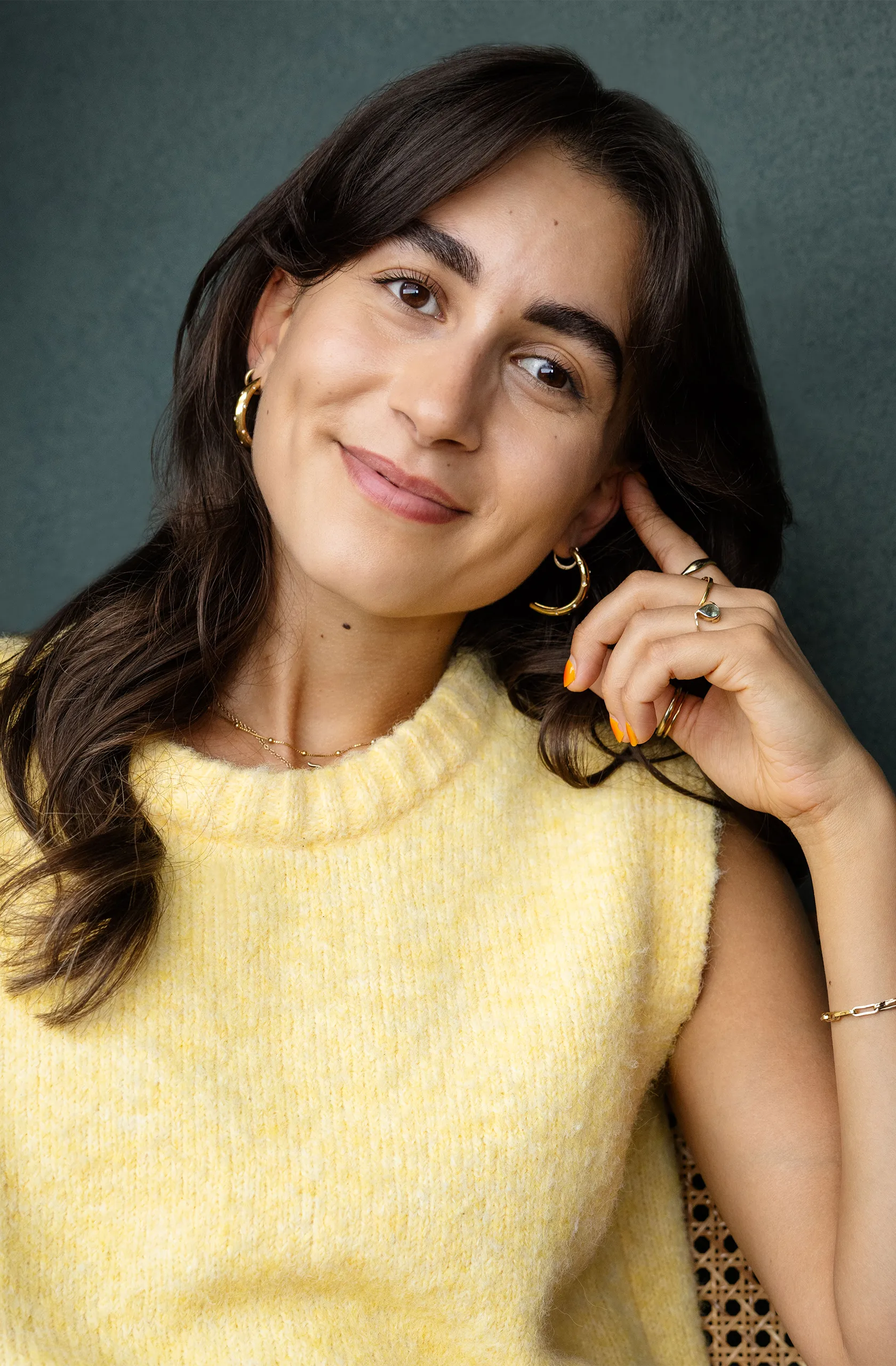
“Coming to nutrition through a difficult relationship with food has shaped almost everything about how I practise,” says nutritionist Sophie Gastman. “Diet culture has essentially taught us that health should look like restriction. We equate being ‘healthy’ with being disciplined and controlled. But health isn’t just the absence of disease, it’s a state of wellbeing. If your diet is scientifically ‘perfect’ but leaves you feeling stressed, socially isolated or deprived, it isn’t healthy.”
More joy, less judgement
“I think there’s real value in shifting the focus back to food as something that supports both health and enjoyment, rather than something that needs to be constantly optimised or controlled,” she adds.
If that means beans on toast for tea? That’s OK. “One of the most unrealistic expectations is that eating well means cooking everything from scratch, three times a day, and avoiding anything that’s remotely processed,” says Sophie. “That’s not realistic, and it’s not necessary. You can support your health with frozen peas, tinned beans and a microwave. When we tell people to avoid processed foods, we’re telling busy parents to abandon the staples that keep their families fed on a budget. Narratives like this don’t improve health. They create shame and anxiety and push people towards disordered eating patterns.”
“Ultimately, no food is inherently ‘good’ or ‘bad’,” says Sophie. “It’s simply a combination of proteins, carbohydrates and fats. Whether something supports your health depends on context – how often you eat it, how much, and what the rest of your diet looks like. You’re not a bad person because you had a slice of cake. Equally, eating a salad doesn’t make you a better human being.”
Young people don’t need to be told how to eat to look a certain way
Breaking the cycle
It’s a message worth passing on. “We know that children as young as four can express issues around body image, which is terrifying,” says Sophie. “Children are navigating the resurgence of ‘heroin chic’ and orthorexic tendencies masquerading as healthy habits. At the same time, we’re seeing more teenagers with stress fractures because they’ve been told to ‘train like an athlete’ but haven’t been taught how to fuel like one. We need to teach children that food is fuel and joy, not something that can be reduced to a random set of numbers or used to control our appearance.”
What does safe nutrition advice look like? “It’s neutral, inclusive and doesn’t assign moral value to food,” Sophie explains. “It focuses on what food adds, like energy, enjoyment and nourishment, not what should be controlled or avoided.” It also avoids tying food choices to appearance. “Young people don’t need to be told how to eat to look a certain way,” she emphasises. “They need to understand how to support their bodies so they can grow, learn and feel well.” Crucially, it leaves room for flexibility. “It doesn’t demand perfection, and it doesn’t create fear around specific foods or food groups.”
Healthy eating isn’t something you can get right or wrong – it’s a tool you can build, mould and adapt to fit your life. “We all live busy, messy and unpredictable lives,” says Sophie. “What works for one person might not suit someone else. Small, consistent changes do far more for your health in the long-term than a set of rules that looks great on paper.”
“Nothing is off limits, and a genuinely healthy way of eating can incorporate all the foods you love – dessert included.”
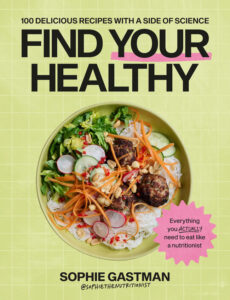
Sophie Gastman
A registered nutritionist and content creator with a background in public health, specialising in children’s health and behaviour change. Her first cookbook, Find Your Healthy is available to buy now.