











From multivitamins to powdered greens, supplements are everywhere – but do we actually need them? With new research linking supplements to everything from a better memory to more power on the pitch, it can be hard to separate the genuinely useful products from the marketing hype.
Supplements can have a place in a healthy diet, but they shouldn’t distract from the basics, says registered nutritionist and author Rob Hobson. So what’s worth taking, and what’s simply over-hyped? We asked Rob which supplements deserve a place in your routine – and which ones to leave on the shelf.
 Are any supplements essential, in your view?
Vitamin D is probably the closest thing we have to a universally recommended supplement in the UK. The NHS advises adults and children over four to consider taking 10 micrograms daily during autumn and winter because we simply can’t make enough from sunlight at that time of year.
Vitamin D is also quite difficult to get from food alone because it primarily comes from sunlight acting on the skin rather than diet. There are some food sources, like oily fish, eggs and fortified foods, but it’s hard to consistently get enough from food alone, particularly during winter.
The National Diet and Nutrition Survey has consistently shown that low vitamin D status is common in the UK, particularly during winter. The most recent figures suggest that around 1 in 5 adults are deficient overall, rising to almost 1 in 3 during the winter months.
Some people may benefit from taking vitamin D year-round, especially if they spend little time outdoors, cover most of their skin, have darker skin or are older.
The main issue I see now is people assuming more is always better. It isn’t. High-dose vitamin D supplements can cause problems if taken unnecessarily over time, including raised calcium levels and potential kidney issues.
Other supplements become essential in specific situations. Good examples are vitamin B12 for vegans, folic acid before and during early pregnancy, or iron where deficiency has been confirmed with testing.
In general, I’m much more interested in identifying genuine gaps or needs rather than telling everyone to take large numbers of supplements “just in case”.
 Some research has suggested that multivitamins may have benefits for cognitive health, memory and biological ageing – how strong is that evidence?
I think the evidence is interesting, but I’d still describe it as emerging rather than conclusive. Some of the more recent COSMOS studies found that a daily multivitamin was linked with modest benefits for memory and global cognition in older adults, which is encouraging but I wouldn’t frame a multivitamin as an anti-ageing or brain-health “hack”. It may help where people have small nutrient gaps, particularly as they get older, but it still sits behind the basics: a good diet, sleep, exercise, managing blood pressure, not smoking and staying socially and mentally active.
I think this is a good example of how nutrition often works in real life. Sometimes it’s not about one nutrient dramatically changing health, but reducing the impact of small deficiencies or low intakes over time.
Should somebody who eats a healthy, balanced diet still consider taking a daily multivitamin?
Possibly. I wouldn’t say everyone needs one. If someone eats a varied diet with plenty of vegetables, fruit, wholegrains, protein and oily fish or fortified alternatives, then a multivitamin is unlikely to transform their health.
That said, I do think a standard multivitamin and mineral can be useful as a nutritional safety net, especially for people eating less, dieting, travelling a lot, under stress, older adults, or anyone whose diet is inconsistent. I see it more as nutritional insurance than a replacement for healthy eating. And you don’t have to spend a lot of money on it!
I’m much more interested in identifying genuine gaps or needs rather than telling everyone to take large numbers of supplements
How about omega-3?
Omega-3 fats are important for heart, brain and eye health, particularly the EPA and DHA found in oily fish. I’d always start with food first, ideally one to two portions of oily fish per week.
But because so few people eat oily fish on a weekly basis, an omega-3 supplement can be useful, and algae oil is a good option for vegans. For general health, I’d usually look for around 250–500mg combined EPA and DHA daily.
There’s good evidence <https://doi.org/10.1016/j.ijcard.2008.03.092> around omega-3s and triglyceride reduction, and some evidence for cardiovascular health, although supplements are not a substitute for improving overall diet quality and lifestyle. The biggest benefits tend to be seen in people with low fish intake or higher cardiovascular risk.
 What’s your take on creatine?
Creatine is one of the few supplements I think has genuinely strong evidence behind it. The biggest benefits are still around strength, power, training performance and lean muscle mass, particularly when combined with resistance training.
But the research is now expanding beyond sport, and there is increasing interest in creatine for healthy ageing, muscle preservation and even brain health. Some newer research has found potential benefits for cognition, mental fatigue and what people often describe as “brain fog”, particularly in situations where the brain is under stress, such as ageing, sleep deprivation or hormonal change. That said, the cognitive research is still developing and we need more long-term studies before drawing firm conclusions.
There has also been some early research using creatine hydrochloride rather than standard creatine monohydrate in peri- and postmenopausal women, showing potential improvements in reaction time, mood symptoms and brain creatine levels. It’s interesting because it suggests creatine may have benefits beyond muscle performance, particularly during periods of hormonal change, but this area of research is still very new and we need much larger studies before drawing firm conclusions.
I think creatine can be particularly useful for active people, older adults and women in midlife, especially when combined with resistance training, because maintaining muscle becomes increasingly important through perimenopause and menopause.
For most people, 3–5g creatine monohydrate daily is enough. You don’t need a loading phase.
Any other supplements you’d recommend for active people?
It really depends on the individual, the type of sport they’re doing, their diet, and where they are in their training or competition schedule. The needs of someone training for a marathon are going to look very different to someone focused on strength training or just trying to stay healthy and active.
That said, the basics I’d commonly consider are creatine, vitamin D during autumn and winter, omega-3 if oily fish intake is low, and protein powder if someone struggles to consistently hit their protein target from food.
I’d still always start with food first because most performance nutrition basics come down to consuming enough energy, carbohydrate and protein consistently rather than relying on supplements.
For endurance athletes, carbohydrate products and electrolytes can be useful around longer sessions, races or periods of heavy training, but I see them more as practical fuelling tools than everyday health supplements.
Iron is another important consideration, particularly for female athletes, endurance athletes and anyone following a restrictive diet, but I’d never recommend supplementing blindly. Low iron status can affect energy levels, recovery and performance, but too much iron can also be harmful, so ideally this should be guided by blood testing.

Any supplements we should be wary of?
I’m wary of anything marketed as a hormone fixer, testosterone booster, metabolism booster, detox or fat burner. The marketing often runs ahead of the evidence.
Some ingredients may have modest or early-stage research behind them, but many of these products are essentially expensive multivitamins wrapped in clever branding.
I’m also cautious with high-dose supplements, particularly vitamin A, zinc, iron and vitamin D, because more isn’t always better and excessive intakes can cause harm.
How do you go about finding a “good” supplement?
I’d keep it simple and avoid being pulled in by aggressive marketing. I usually look for reputable brands, sensible doses rather than mega-doses, and clear transparency around ingredients.
For sports supplements, third-party testing such as Informed Sport is important, particularly for competitive athletes because contamination with banned substances is a genuine issue in the supplement industry. I’d also be cautious buying supplements from random online marketplaces where quality control can be difficult to judge.
In general, the more dramatic the claims, the more cautious I become. I’m particularly sceptical of the huge “super supplement” blends with dozens of ingredients all bundled together and marketed as life-changing health products.
What people need to understand is that these products are usually the fine print of nutrition, not the foundations. The basics – eating well, getting enough protein and fibre, sleeping properly, exercising – will always have a far bigger impact on health than adding another powdered blend to your morning routine.
Supplements can help fill gaps, but they are never going to replicate everything that comes with eating real food. Food is incredibly complex. You’re getting nutrients alongside fibre, food structure, bioactive compounds and thousands of plant chemicals that we still don’t fully understand.
Ironically, it’s often the healthiest and most nutrition-conscious people who are spending the most money on these products, despite already having relatively good diets.
I also think there’s a misconception that supplements need to be expensive to work. In reality, some of the best evidence-backed supplements are actually very simple and relatively inexpensive – things like vitamin D, creatine monohydrate or a basic multivitamin.
What does your personal supplement regime look like?
Mine is actually very simple. I take a multivitamin and mineral, omega-3 and creatine.
That’s really it. I don’t see supplements as a replacement for food or healthy habits. For me, they sit on top of the foundations of eating well, resistance training, sleep, managing stress and trying to stay consistent with the basics.
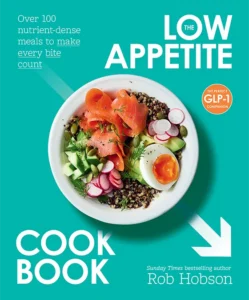
A registered sports nutritionist with nearly two decades of experience. His latest book, The Low Appetite Cookbook, is available to buy now. Connect with Rob on social