







Location Northwest Slovenia
Start/finish Kranjska Gora (or Bled, Bohinjska Bistrica or Tolmin)
Distance 270km (168 miles)
Duration 10-20 days
Challenge Level 3/5
When to Walk April-October
Info julianalps.utmb
Trace a meandering loop around Slovenia’s iconic three-headed peak to discover moving history, cascading waterfalls, clifftop castles and culinary delights
Two heads are better than one, it’s said. Three must be perfect, right? Meet Slovenia’s loftiest mountain, 2864m-high (9396ft) Triglav – literally ‘three heads’. This sky-scraping triple peak holds a special place in the national psyche: it appears on the flag and coat of arms, and tradition holds that every Slovenian should summit Triglav at least once.
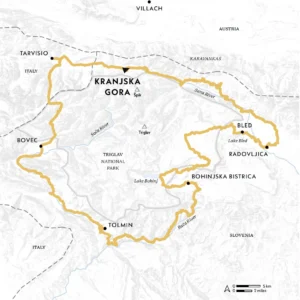
For hikers it has another allure. Not only is Triglav the focal point of its namesake national park, a 840-sq-km (324-sq-mile) biosphere reserve encompassing the lion’s share of the Julian Alps, it’s also the pivot for the looping route of the long-distance Juliana Trail. Designed to minimise negative environmental impacts and maximise benefits to local communities, it showcases glorious scenic and wildlife wonders, historic and cultural gems, food and drink. Though a not-inconsiderable 270km (168miles), the trail never climbs above 1500m (4921ft), and with clear waymarking and ample facilities in appealing towns and villages at the end of each stage, it can be completed by walkers of moderate fitness and experience levels. Being a low-altitude route, the trail is open from spring to autumn – we say come in May, when days are lengthening and some 300 species of wildflowers bloom across Alpine meadows but before crowds intensify in honeypots like Bled.
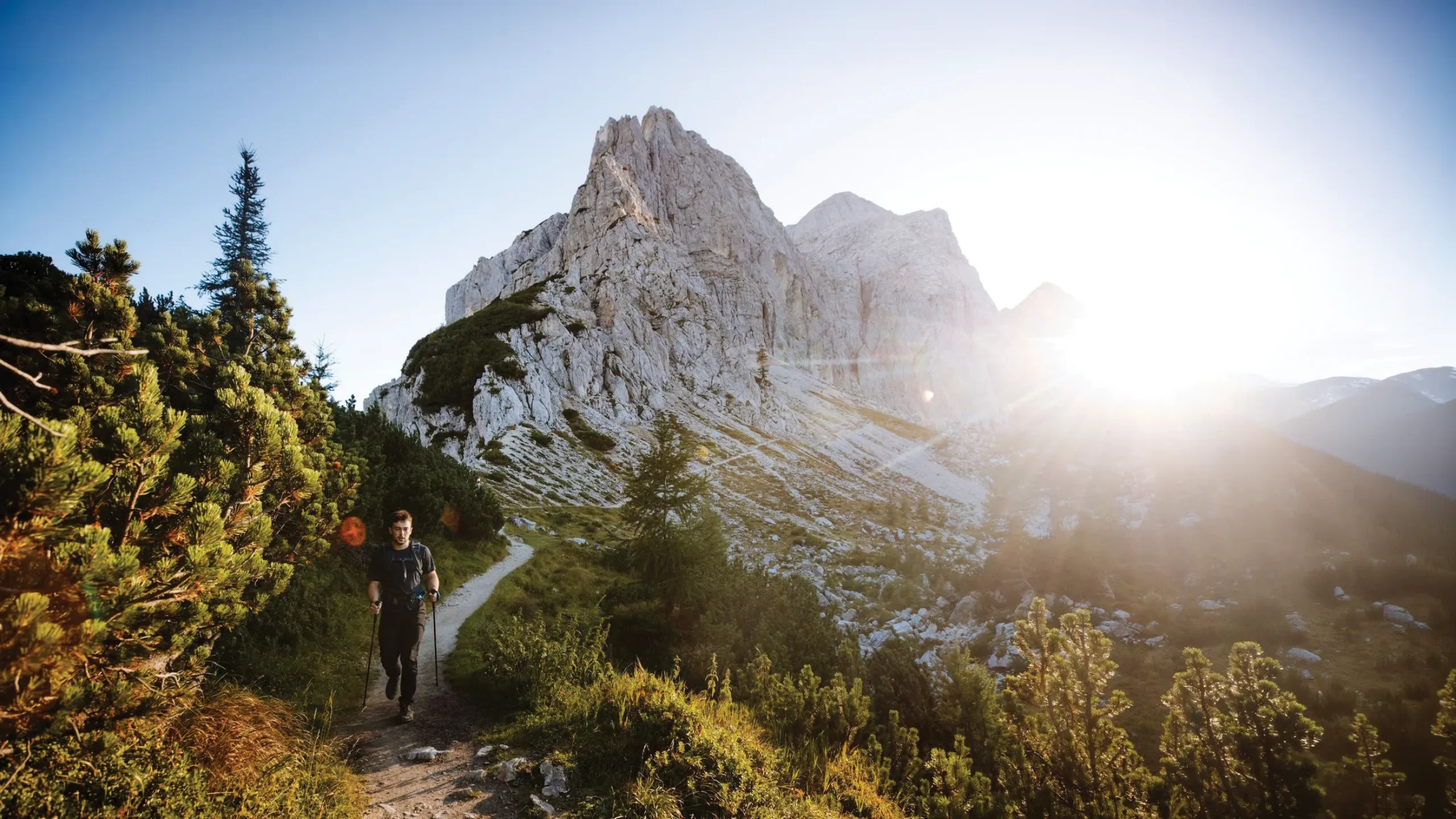
The circuit can be joined at any point, and tackled clockwise or anticlockwise. The first of the 16 officially numbered stages begins in Kranjska Gora, though, which makes a sensible place to begin. That first stretch opens with a tramp across the wooded southern slopes of the Karavankas, a range defining the northern border with Austria, climbing to the lookout at Srednji Vrh for views south to Triglav and the jagged peak of Špik. Continue east along the Sava Valley past crashing slaps (waterfalls), distinctive kozolci (wooden hayracks) and Carniolan beehives painted with folkloric and Biblical scenes.
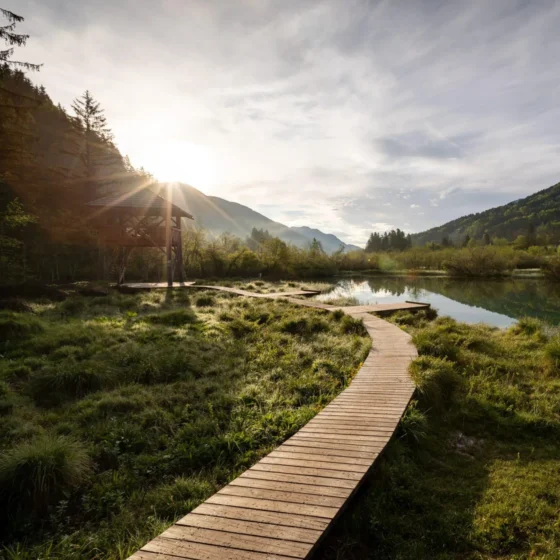
Wild climbing in National Parks
At Begunje, pause for thought at the moving Museum of Hostages and the home of Slavko Avsenik, pioneer of brassy polka genre Oberkrainer and arguably Slovenia’s most famous musical export. Then veer south to watch gingerbread being traditionally decorated in Radovljica’s medieval moated heart, and west to admire the clifftop castle and island church on gorgeous, glacial LakeBled. (Be sure to fuel up on a slice of artery-clogging kremšnita cream cake.)
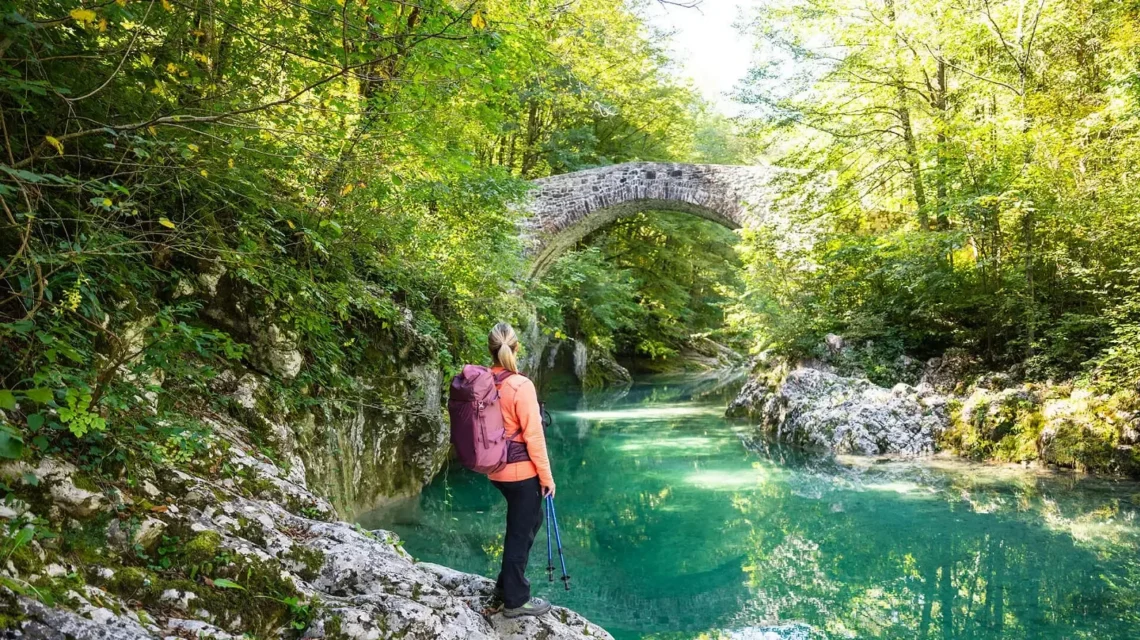
The trail then turns wilder, climbing into the national park and through high pastures where transhumance herders mind their charges from larch-shingled cabins. Descend through Barje Goreljek, Europe’s highest swamp, to Lake Bohinj – more raw and dramatic (and less touristy) than Bled, with excellent cheeses and lake trout to boost hikers’ energy levels. It’s a testing ascent over the ridge to the Bača Valley and the con- fluence with the Soča River, its waters an almost unbelievable turquoise-teal hue as it tumbles through rocky gorges populated by fantastical black-and-yellow fire salamanders.
Now heading north, the route passes WWI emplacements and the outdoor activity hub of Bovec, hopping briefly over the Italian border to Tarvisio before returning to Kranjska Gora –completing an electrifying circuit.
Get involved
Extract taken from Lonely Planet’s Where To Go When Hiking, written by Sarah Baxter and Paul Bloomfield. Discover 96 spectacular hiking trails around the world and the best times to explore them in this inspiring month-by-month trip planner.