









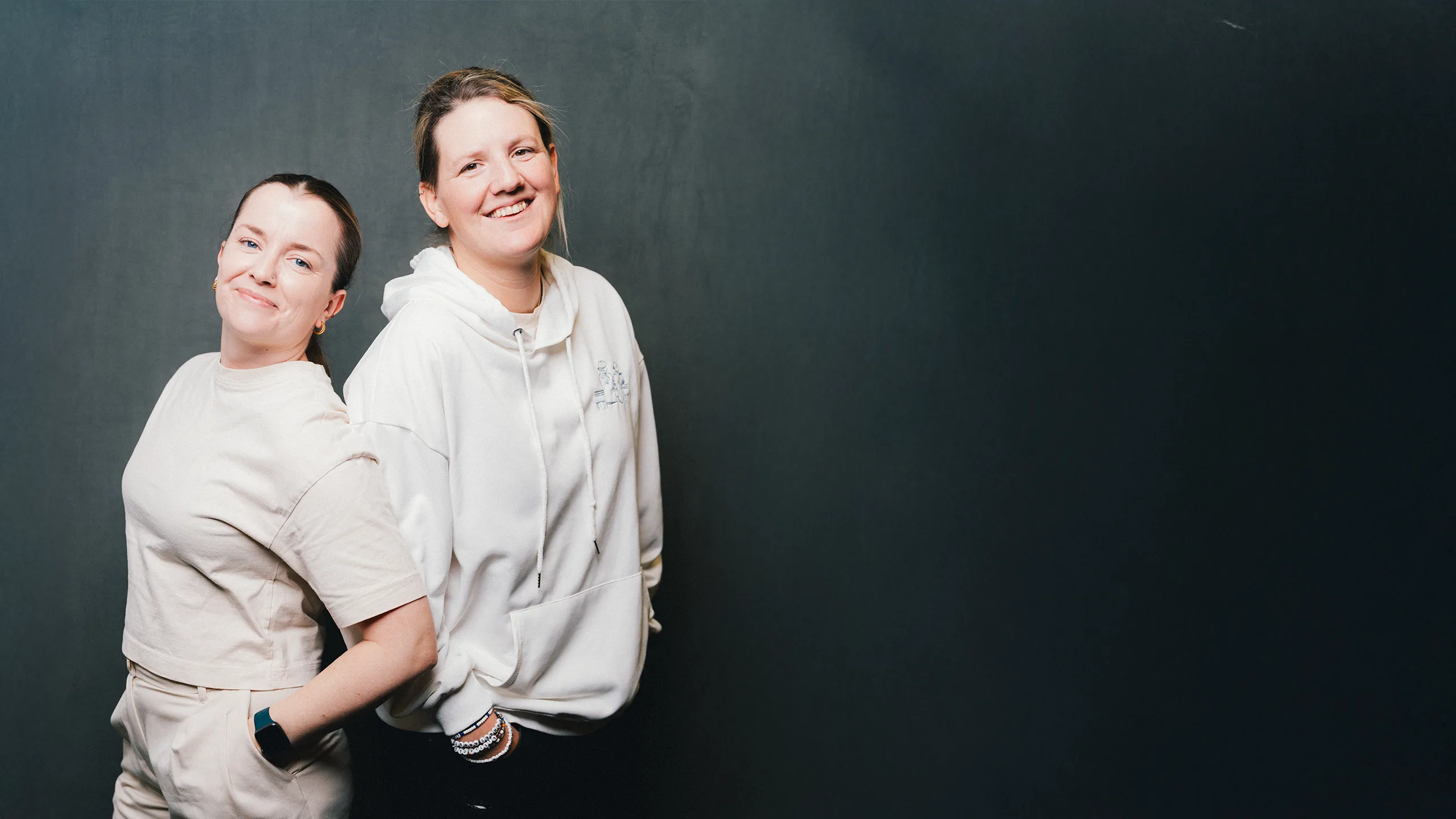
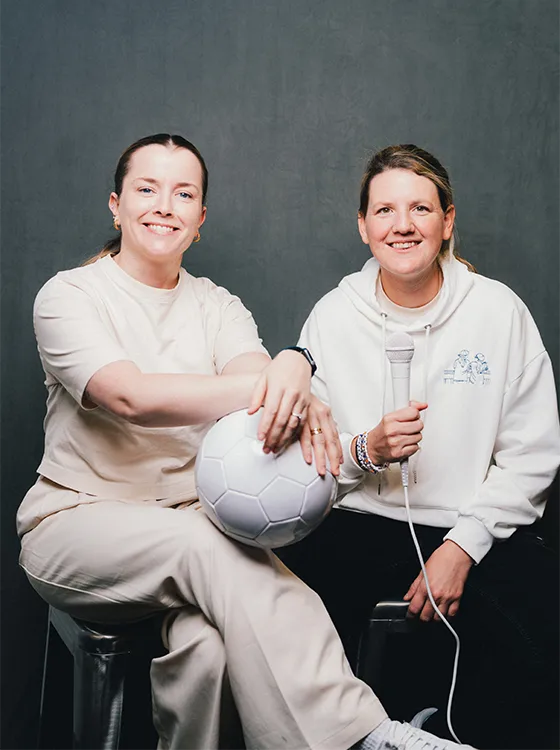
Girls on the Ball are the women’s football media duo who accidentally built one of the game’s biggest fan communities. From 32,000 miles a year to 130,000 followers, Sophie and Rachel tell Leisure Kicks how they helped grow the game they love…
Girls on the Ball started in 2012: take us back to the beginning. What were you trying to create? What were the reactions at the time?
We started off the back of the 2012 Olympics, watching Team GB vs Brazil. We wanted to know more about women’s football and there just wasn’t anything out there. So we decided to try and fill that gap. Whether that be match reports, photography, player interviews. We simply wanted to bring the game to more people. Reaction wise, there wasn’t a huge amount – there weren’t many fans at the time. But we grew our audience over the years.
You’ve travelled over half a million miles following women’s football. What keeps you going?
Our love of the game. At the end of the day, we’ve managed to turn this into our full time jobs. We wouldn’t work this hard or this many hours for anything else. It’s hard and it’s tiring but we both have a passion for the sport and even better, we get to do it together. We’re very lucky.
Have there been moments where you’ve had doubts? What are the challenges and drawbacks to your journey?
Yes. Plenty of times. We did it for nine years alongside our day jobs and there were many trips where we were travelling back through the night, landing at dawn and heading straight into the office. We probably questioned it a few times back then. Now that it’s our jobs we still face challenges. Ensuring we’re getting paid enough to work. Pushing back on ‘working for exposure’ etc. It’s important that the work done in the media landscape of women’s football is legitimised and we move away from doing things for free. If the game is to grow, all industries wrapped around it must grow too but that’s hard, expectations for success in women’s sport and women’s sports media tends to be higher.
If the (women’s) game is to grow, all industries wrapped around it must grow too
You’ve watched the fanbase grow around you over more than a decade. What does that feel like from where you’re standing?
Honestly, it never gets old. We regularly still stop in a packed out stadium to take it in. The growth has been exponential and we were there when it felt like a sold out Wembley was a dream. So to see how quickly it’s grown and how regularly England games in particular are well attended is amazing. I think we will always be staggered by the support.
How would you describe the fan community around women’s football and what makes it distinct?
It’s a community that’s still growing. It’s a community that has different factions. The way the women’s game has been so connected to its fans has allowed that community to foster in different ways. Some are die hard club fans, some love a particular player, others like to support the wider game. It’s a diverse demographic and is often considered very welcoming and that is true when compared to the men’s game. But like many areas of society there is still plenty to do.
What’s a moment – a game, a trip, an encounter – that really captures what following the women’s game is all about?
Difficult to pick just one, particularly with there being two of us. I think we can both agree that England winning a home Euros, against Germany, at Wembley for the first time was incredible. That will stay with us both forever. For Rachel, watching Ireland first qualify for their first ever major tournament and then step out against the hosts, Australia, in a World Cup were some unforgettable moments.
You’ve built a genuine community around what you do. Was that intentional, and what responsibility does it bring?
I don’t think we ever really thought we would generate a community of over 130,000. We knew we wanted to build something for people who were interested in the game but equally those who, in the future, would come and want to know more. That responsibility has certainly grown. We feel keenly the importance of being balanced and fair in our analysis which is something we always strive to do. We feel context in women’s football whether it be results or decisions made is really important. We’re not driven by a headline or a narrative. We have the freedom to speak openly and we always want to provide balanced reporting. We feel that responsibility.
What would you say to anyone who wants to use their love of sport to build a similar group/movement to GOTB?
Figure out what your objective is. Why do you want to do it? Never lose that. For us, it’s always been about bringing the women’s game to more people. We’ve had to adapt over the years but that has always been at the forefront in everything we do.
Girls on the Ball
Sophie Downey and Rachel O’Sullivan founded Girls on the Ball in 2012, inspired by watching Team GB face Brazil at the London Olympics. What began as a way to fill the gap in women’s football coverage grew over several years alongside their day jobs in media and marketing. Now full-time, the pair have travelled over half a million miles following the game and built a community of 130,000 followers.