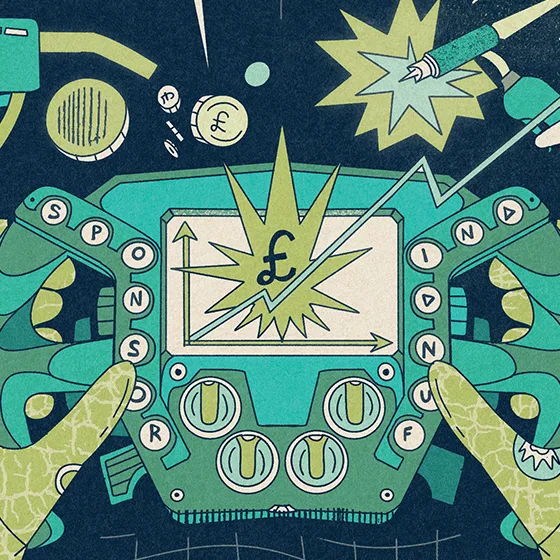






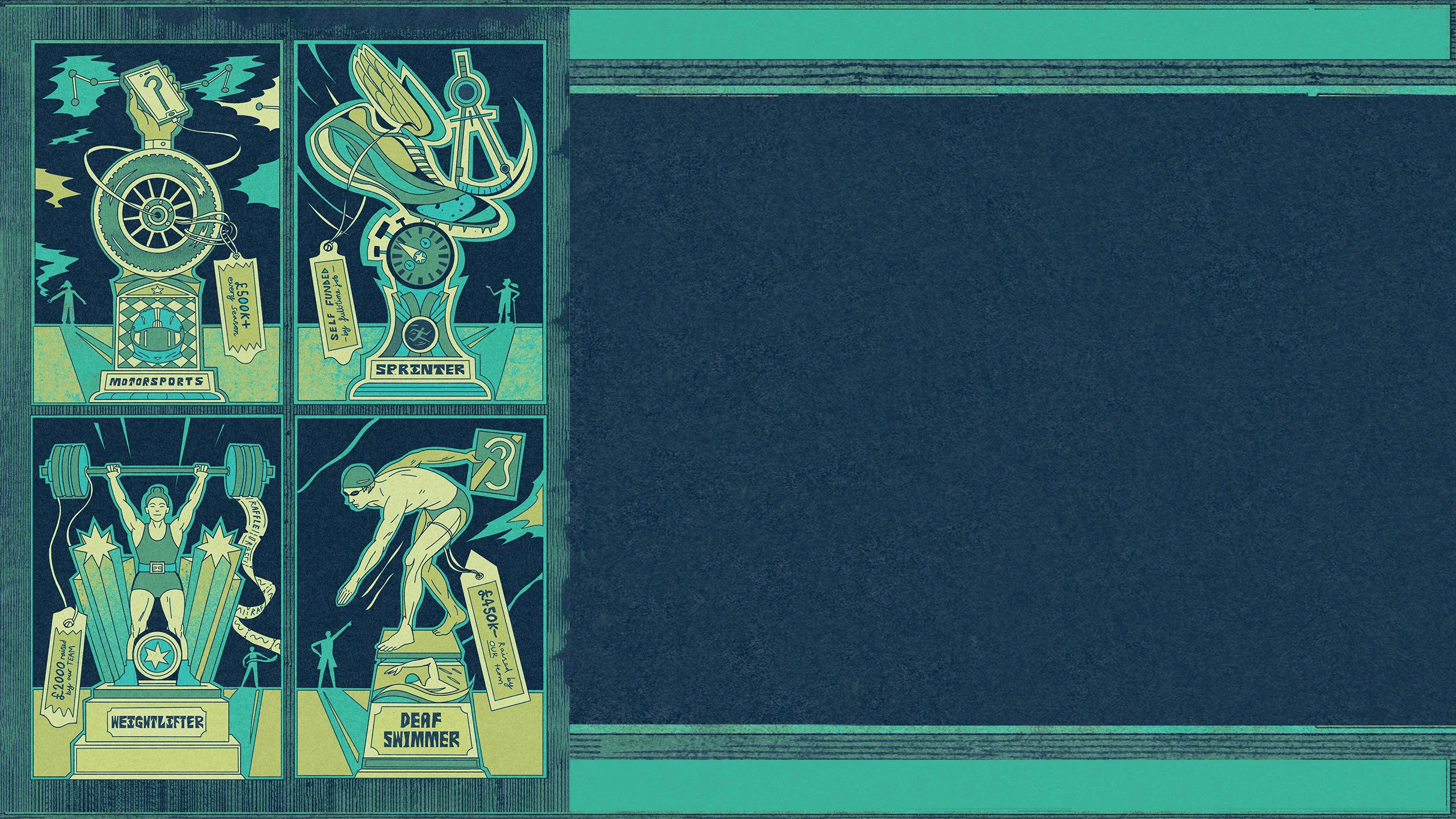
 s a racing driver finishes her morning workout in the gym, her stomach flutters with nerves ahead of an afternoon that will define her season, possibly even her career. But while she trains her body to withstand forces of up to 3G through dizzying hairpin bends, it’s not a race she’s anxious about. It’s a phone call with a sponsor she can’t afford to lose.
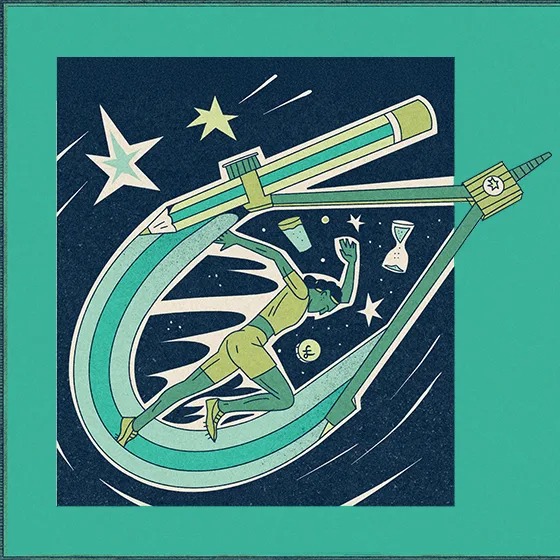
Elsewhere, one of the best young sprinters in the country is pouring pints at the local rugby club. It’s time she should be spending on track, but with funding awarded then revoked almost as fast as she runs, her fledgling athletics career is being paid by the keg.
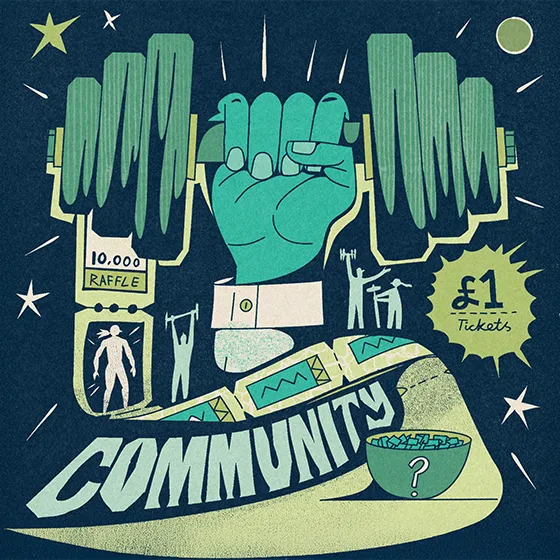
Then there’s the weightlifter who, while standing on the podium with an Olympic medal around her neck, knows that she owes her historic moment to the community raffles and hometown market stalls that clubbed together to fund her journey when her sport was cut adrift.
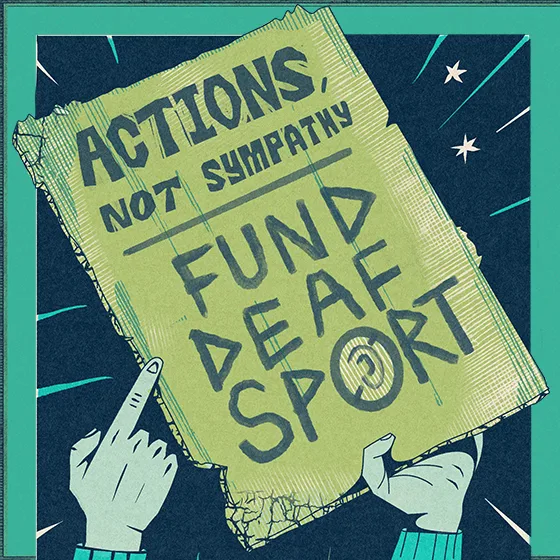
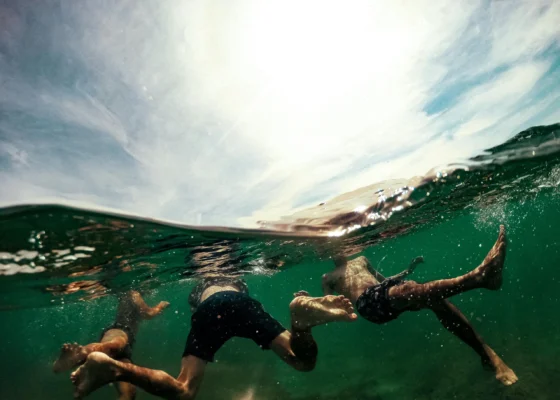
Finally to the swimmer spending daybreak in a chilly pool. He’s six foot six and darts through the water like a marlin hunting tuna, but his biggest battle is on dry land. That’s because the funding that carries Olympic and Paralympic swimmers to the top was never designed to include a deaf athlete.
For Abbi Pulling, Aleeya Sibbons, Emily Campbell and Henry Hughes, resilience is as important as raw ability. They’ve toiled, grafted, and improvised to pay their own way in their sport, but they aren’t unlucky exceptions. They’re part of the unspoken economy of British sport, where the route to elite competition is built on crowdfunding, second jobs, family savings, and sponsorship hustle.
This is a story about who can afford to chase a sporting dream in 2026, what it costs when the system won’t foot the bill, and what awaits the athletes coming next.