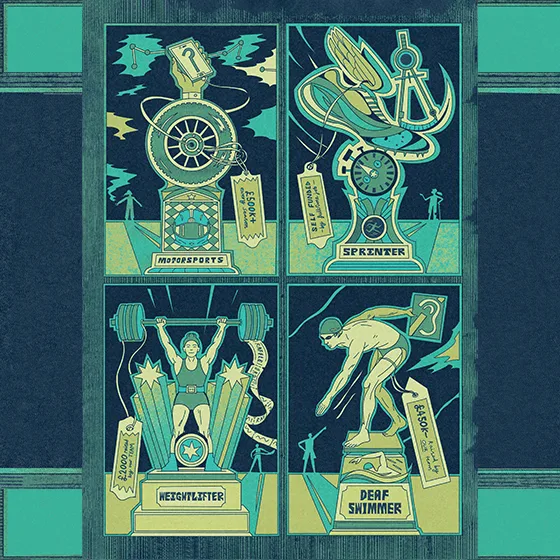




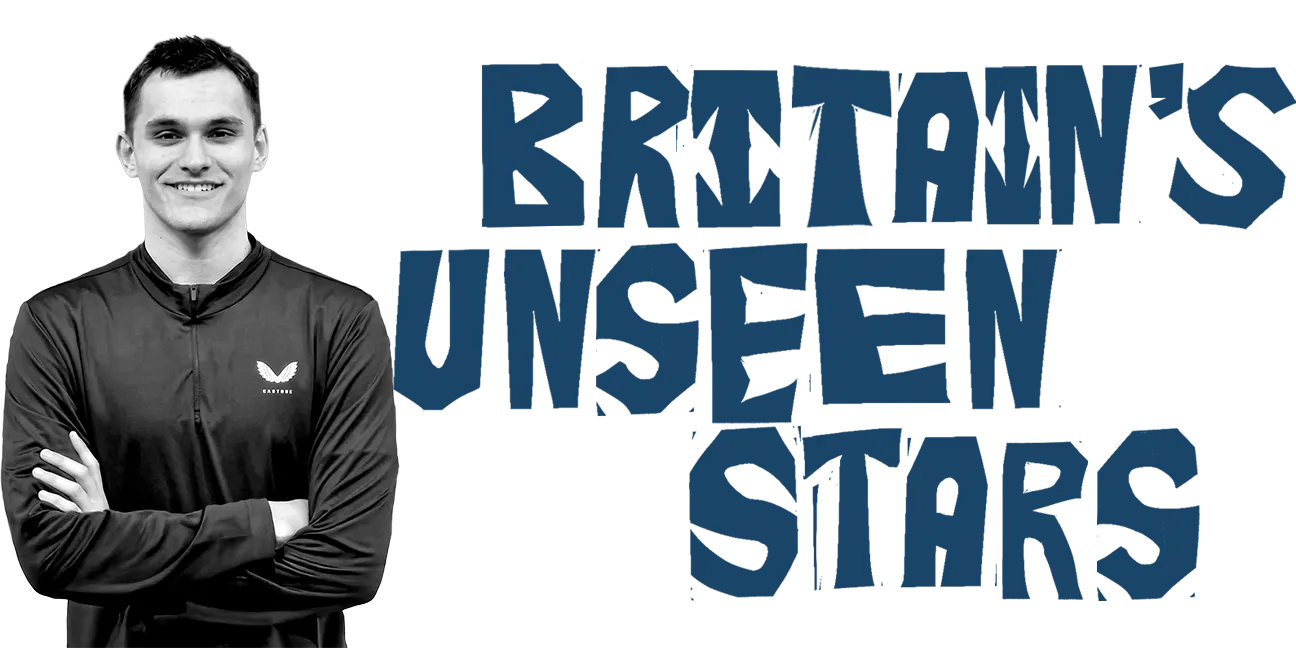
There’s no funding list to be dropped from if you were never on one. Deaflympic swimmer Henry Hughes competes for Great Britain entirely at his own expense – and he’s determined to make Parliament sit up and change course. Here’s his story…
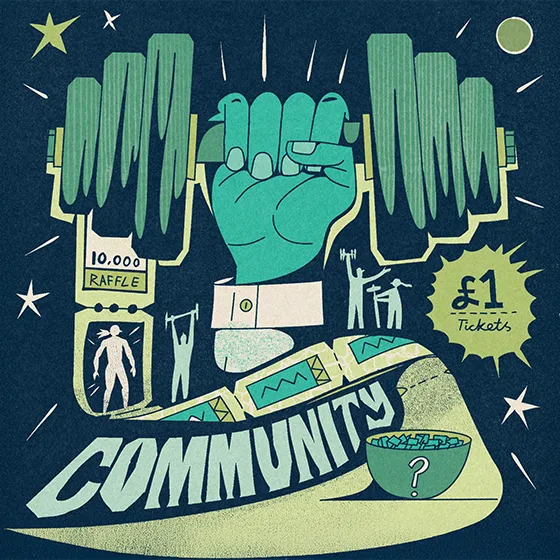
It’s clear that Emily Campbell <INSERT LINK> wants to repay the support she received when she needed it most. Her experience is proof that communities like Bulwell can plug the financial gaps and rally around an athlete they know well. But what about those in the shadows on whom the spotlight never shines?
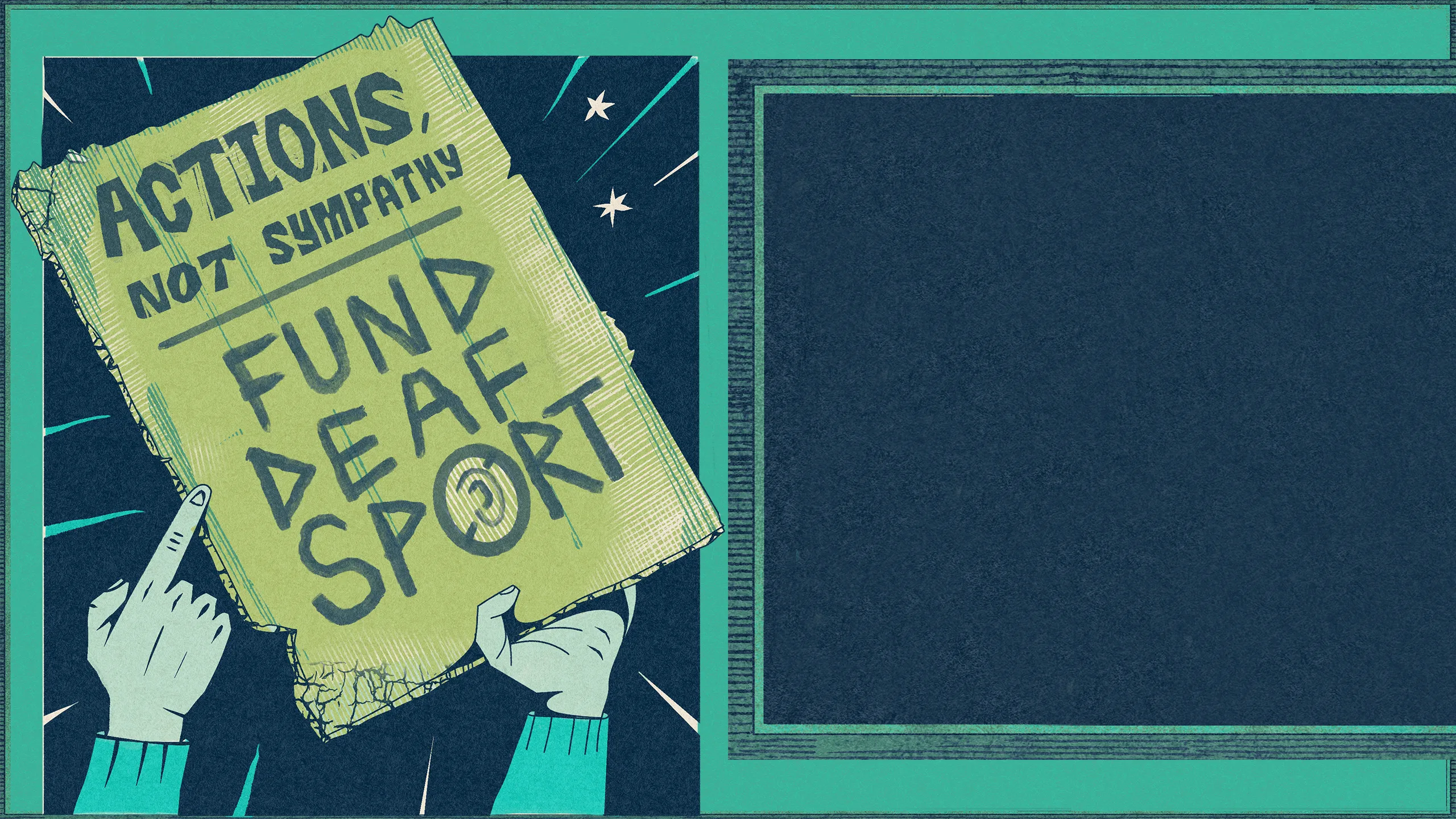
“I don’t want people’s sympathies, I want people’s actions,” says Henry Hughes, who has no time to mince his words. At 22 he’ll be approaching his peak years as a swimmer, but despite boasting the unique distinction of representing both Australia and Great Britain in the pool, there’s a good chance you’ve never heard his name.
“I don’t need people to come and tell me how good of a swimmer I am,” he adds. “I want people to feel angry, or emotional, or confused, as to why deaf athletes are not part of the system, and make it their own advocacy.”
Funding structures
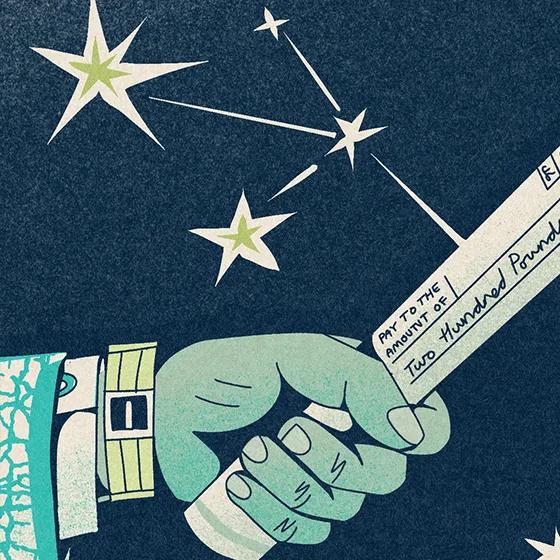
Like the Olympics and Paralympics, the Deaflympics is an IOC-sanctioned event that takes place every four years. But despite predating the Paralympics by decades, it sees little recognition in the UK, where it’s been hosted only once, in 1935. Most gallingly, British deaf athletes are excluded from the elite funding model that is earmarked for Olympians and Paralympians. The result is that every one of the 65 members of the British team that headed to the Deaflympics in Tokyo last winter was forced to pay their own way.
“I’m the only elite athlete at Loughborough University that has no funding or support in any metric,” says Henry, who was born in New Zealand, home-schooled in Australia by his British mother, before moving to the UK aged 19. “I don’t even get a scholarship. I can’t qualify for a bursary because I’m not on an Olympic or Paralympic pathway. I don’t get sponsorship. Everything’s out of pocket, and the goodwill of some people trying to support me along the way.”
“I don’t want people’s sympathies, I want people’s actions”
While there is some financial support for deaf athletes at junior level (Sport England allocated around £1.2m for deaf grassroots sport between 2022-2027), Henry finds himself in an uncomfortable half-way house – too old for funding, but as a student, not yet able to commit to a full-time job. “I get the worst of both worlds,” he says, adding that his brother has helped him to get by.
Treated as equals
Henry makes it clear that deaf athletes aren’t yearning to be part of the Paralympics (where the only deaf participants are those with other qualifying disabilities). Instead, he’s advocating for Deaflympians to be incorporated within the same funding structure as Olympians and Paralympians. He highlights other countries that are doing a better job of supporting their deaf athletes, with one in particular standing head and shoulders above the rest.
“Ukraine is going through a war, and yet they fund their athletes,” says Henry, who was part of the 400m relay team that finished 20 seconds behind Ukraine in the final. The table-topping Ukrainians enjoyed a Presidential welcome on their return after winning 100 medals. In contrast, there was no fanfare for the 12 medals Britain won in Tokyo, including three golds for 15-year-old swimmer Charlotte Gower, two for teammate Katy Wun, and a bronze medal for the women’s football team. “No one got an MBE for it. No one got an OBE for it. No one got media recognition for it. And that has a damaging trickle-down effect,” says Henry.
To deaf athletes, the scarcity of coverage is as punishing as the lack of funding, as there is little to entice sponsors who might otherwise be willing to chip in. “No elite athlete wins by themselves,” says Henry. “They have the funding, the pathway, the infrastructure. To go and do it when the entire system is not fit for purpose and there’s nothing you can access, that’s what you call genuine real struggle.”
The Campaigners
Henry isn’t fighting alone. Meet the other athletes taking on the system.
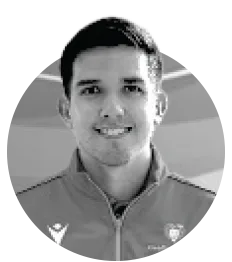 Nathan Young
The swimmer sat beside Henry in parliament and told MPs plainly that the treatment of deaf athletes amounts to discrimination. Bethan Lishman
Four Deaflympics, twice GB captain, 18 years of medals, all funded by three personal loans, one that she’s still paying off.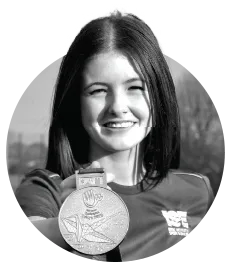 Sophie Dacombe
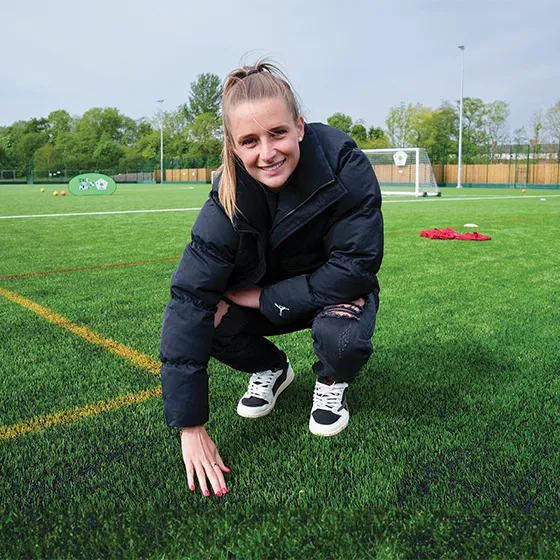
The teenage footballer had to raise £4,000 just to board the plane to Tokyo, calling it what it is: unfair on anyone representing their country.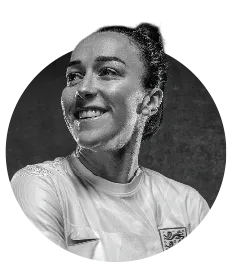 Lucy Bronze
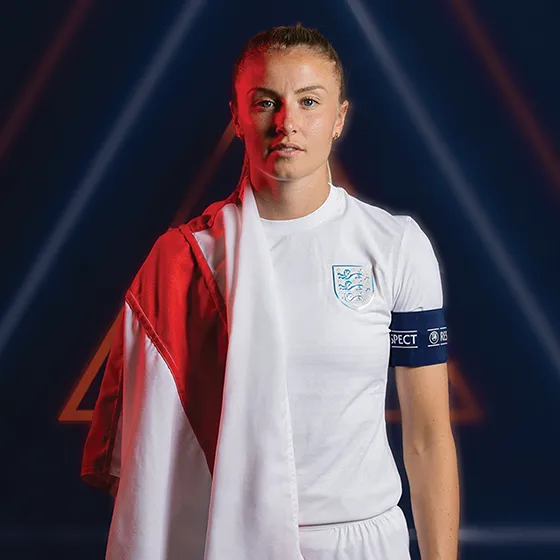
The Lioness gave £10,000 to GB Deaf Football for kit and nutrition, asking why deaf players shouldn’t get the chances she did.
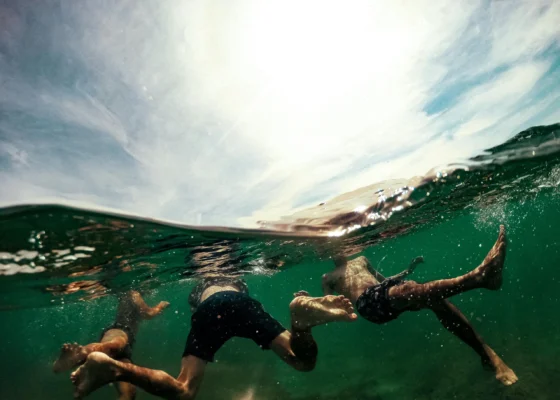
Henry was diagnosed deaf aged two and has a running joke with his mother – who is also deaf – around why he took up swimming in Sydney’s shark-infested waters. “My mum can’t hear the shark alarm, and I can’t hear it. She said, ‘You might as well know how to swim for your life.’ That’s how I got into swimming.”
It’s no surprise that someone raised to overcome a shark has the mentality for duels outside the water, too. In October 2025, Henry joined fellow swimmer Nathan Young and UK Deaf Sport CEO Chris Ratcliffe in parliament to discuss the glaring disparity in public funding for elite deaf athletes. Ahead of the 2025 Deaflympics, the trio told the Commons Culture, Media, and Sport Committee that it was “shameful” and “discriminatory”. It prompted The Guardian to give the topic some overdue press attention, noting the contrast between the £330m invested into the Olympic and Paralympic cycle versus the Deaflympians having to raise £450,000.
Committee chair Dame Caroline Dinenage agreed, later writing to the culture secretary that it was “high time that the Government stopped playing Scrooge and committed to giving our deaf sporting superstars both the recognition and the financial support they deserve.”
Henry is confident that his advocacy work will eventually see the Deaflympics sit under Team GB. “I cannot understate how significant this change in policy would be, not just for deaf sport but for sport in general.”
He dreams of seeing a Deaflympics hosted in the UK, and for it to provide the sort of impact the Paralympics did in 2012. He and his fellow deaf athletes don’t just want to win. They want to be seen to be winning. At a time when funding is being cut across the board, visibility is the next most important currency in sport.
Henry Hughes
Deaflympic swimmer who made his international debut for Australia aged 13, before switching allegiance to represent Great Britain. Diagnosed as deaf at the age of two, he – like other deaf athletes – competes without access to the funding, scholarships, or sponsorship available to Olympic and Paralympic athletes. In 2025 he gave evidence to Parliament’s Culture, Media and Sport Committee alongside fellow swimmer Nathan Young and UK Deaf Sport CEO Chris Ratcliffe, calling the lack of public funding for Deaflympians “shameful” and “discriminatory.”